
Seafood
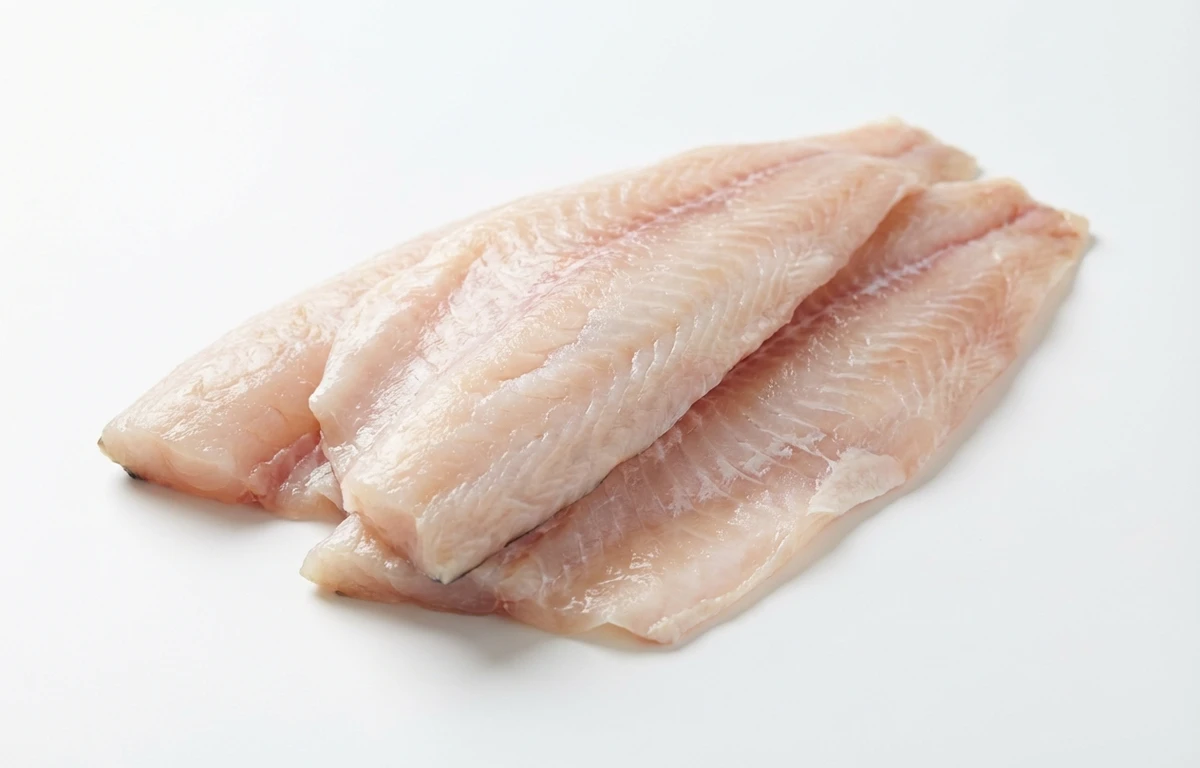
raw farmed catfish.
VegetarianVeganGluten-freeDairy-freeNut-freePeanut-freeSoy-freeEgg-freeShellfish-freeHoney-freeAlcohol-freeKosher
ALSO KNOWN AS
raw channel catfishraw pond-raised catfishraw siluriformesraw farmed-raised catfish
SERVING
CALORIES
119
PROTEIN
15.2g
CARBS
0g
FAT
5.9g
FIBER
0g
NUTRITION PROFILE · per 100 g
Everything in this ingredient.
MACRONUTRIENTS
Calories119kcal—
Protein15.2g30%
Carbohydrates0g0%
Fiber0g0%
Sugar0g0%
Total fat5.9g8%
Saturated fat1.4g7%
Trans fat0g—
Cholesterol47mg16%
Water77.5g—
MINERALS
Sodium43mg2%
Potassium253mg5%
Calcium9.0mg1%
Iron0.30mg2%
Magnesium23mg5%
Phosphorus184mg15%
Zinc0.50mg5%
Copper0.04mg4%
Manganese0.01mg0%
Selenium12.6µg23%
VITAMINS
Vitamin A15µg2%
Vitamin C0mg0%
Vitamin D12.5µg63%
Vitamin E0.70mg5%
Vitamin K0.10µg0%
Thiamin (B1)0.15mg13%
Riboflavin (B2)0.07mg5%
Niacin (B3)2.4mg15%
Pantothenic acid (B5)0.75mg15%
Vitamin B60.11mg6%
Folate (B9)10µg3%
Vitamin B122.2µg92%
%DV based on a 2,000 cal diet. Source: USDA FoodData Central. A dash in the %DV column means there’s no established Daily Value for that nutrient.
MEASUREMENT CONVERSIONS
How much is what.
1 cup248g
1 tablespoon15.8g
1 teaspoon5.3g
1 oz28.4g
1 lb453.6g
1 ml1.1g
1 liter1050g
1 piece159g
HEALTH BENEFITS
Why eat it.
- ✓Excellent source of Vitamin D for bone health
- ✓High in Vitamin B12 for nerve function
- ✓Provides lean protein for muscle maintenance
- ✓Contains Omega-3 fatty acids for heart health
- ✓Low in mercury compared to many wild-caught fish
COOKING TIPS
In the kitchen.
- 1Cook to an internal temperature of 145°F (63°C) until flesh is opaque
- 2Pat the fish dry with paper towels before seasoning to ensure a better sear
- 3Farmed catfish has a mild flavor that pairs exceptionally well with cornmeal breading
STORAGE
Keep it fresh.
- Store in the coldest part of the refrigerator for no more than 1-2 days
- Keep in original vacuum-sealed packaging or wrap tightly in plastic wrap
- Freeze for up to 6 months if not planning to use within 48 hours
FAQ
Frequently asked questions.
How long does raw catfish last in the fridge?
Raw catfish should be used within 1 to 2 days of purchase if kept refrigerated at 40°F or below.
Can I freeze raw catfish?
Yes, wrap it tightly in moisture-proof foil or plastic wrap and freeze. It will maintain best quality for about 6 months.
How can I tell if raw catfish has gone bad?
Spoiled catfish will have a strong, sour, or ammonia-like smell, a slimy texture, and may appear dull or discolored.
What is a good substitute for catfish?
Tilapia, basa, swai, or cod are excellent substitutes due to their similar mild flavor and white flesh.
Is farmed catfish high in mercury?
No, US-farmed catfish is considered a 'Best Choice' by the FDA because it is very low in mercury.
How should I prepare catfish for frying?
Rinse under cold water, pat completely dry, and dredge in a mixture of cornmeal, flour, and spices before frying.
Is farmed catfish nutritionally different from wild catfish?
Farmed catfish generally contains more healthy fats and Vitamin D due to their controlled grain-based diet.
What are the best flavor pairings for catfish?
It pairs well with lemon, garlic, paprika, cayenne pepper, and tartar sauce.
Does catfish have a lot of bones?
Filleted catfish is usually bone-free, but whole catfish contains a large central skeleton that is easy to remove after cooking.



















