
Seafood
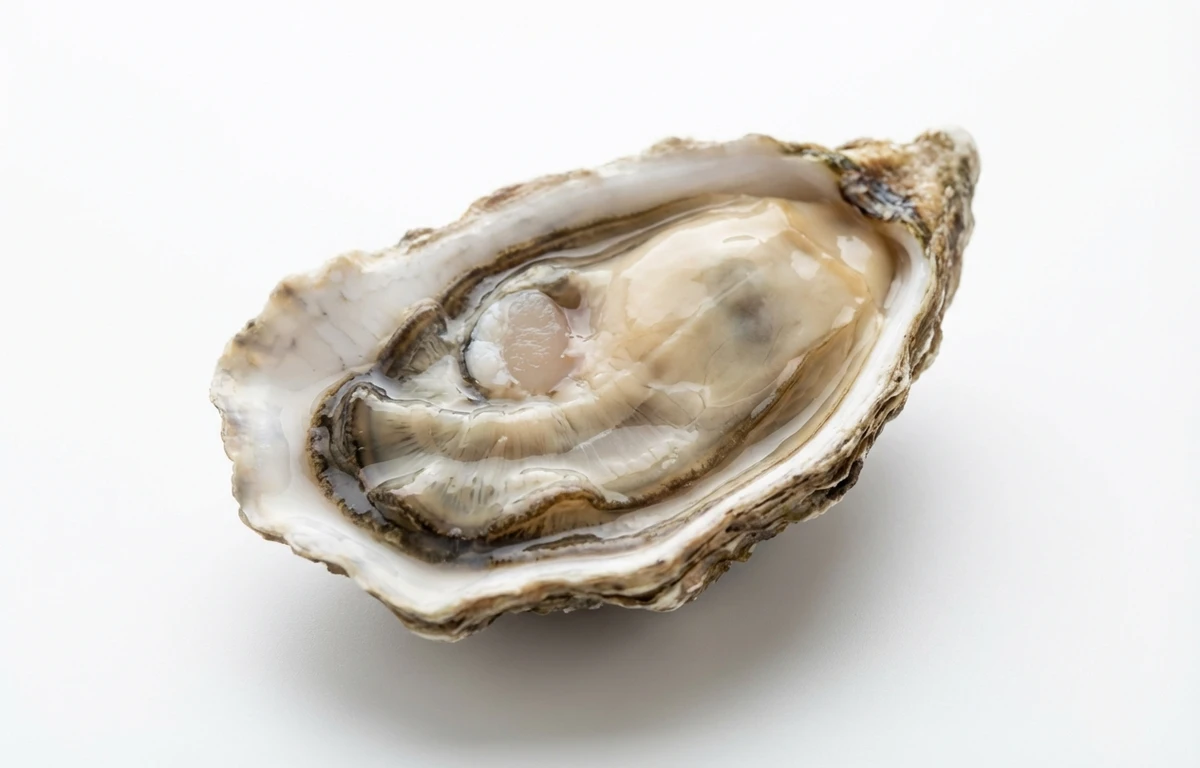
raw farmed eastern oyster.
VegetarianVeganGluten-freeDairy-freeNut-freePeanut-freeSoy-freeEgg-freeShellfish-freeHoney-freeAlcohol-freeKosher
ALSO KNOWN AS
oyster
SERVING
CALORIES
59
PROTEIN
7.1g
CARBS
3.9g
FAT
1.5g
FIBER
0g
NUTRITION PROFILE · per 100 g
Everything in this ingredient.
MACRONUTRIENTS
Calories59kcal—
Protein7.1g14%
Carbohydrates3.9g1%
Fiber0g0%
Sugar0g0%
Total fat1.5g2%
Saturated fat0.40g2%
Trans fat0g—
Cholesterol25mg8%
Water85.4g—
MINERALS
Sodium211mg9%
Potassium156mg3%
Calcium45mg3%
Iron5.1mg28%
Magnesium22mg5%
Phosphorus135mg11%
Zinc37.8mg344%
Copper4.4mg489%
Manganese0.30mg13%
Selenium63.7µg116%
VITAMINS
Vitamin A48µg5%
Vitamin C3.7mg4%
Vitamin D0.10µg1%
Vitamin E0.80mg5%
Vitamin K0.10µg0%
Thiamin (B1)0.07mg6%
Riboflavin (B2)0.12mg9%
Niacin (B3)1.2mg8%
Pantothenic acid (B5)0.30mg6%
Vitamin B60.05mg3%
Folate (B9)10µg3%
Vitamin B1216µg667%
%DV based on a 2,000 cal diet. Source: USDA FoodData Central. A dash in the %DV column means there’s no established Daily Value for that nutrient.
HEALTH BENEFITS
Why eat it.
- ✓Exceptional source of zinc, crucial for immune function, wound healing, and reproductive health.
- ✓Rich in vitamin B12, which is essential for nerve function and the formation of DNA and red blood cells.
- ✓High in omega-3 fatty acids (EPA and DHA), supporting heart health and reducing inflammation.
- ✓Good source of high-quality protein and iron, which helps prevent anemia and supports energy levels.
COOKING TIPS
In the kitchen.
- 1To shuck, use a thick towel to protect your hand, insert an oyster knife into the hinge, and twist to pop it open. Slide the knife along the top shell to sever the adductor muscle, then do the same on the bottom shell.
- 2For raw consumption, serve immediately on crushed ice with accompaniments like lemon wedges, mignonette sauce, or cocktail sauce. Ensure they are fresh and have a mild, briny smell.
- 3When cooking (grilling, broiling, baking), cook just until the edges begin to curl and the oyster is plump and opaque. Overcooking will make them tough and rubbery.
- 4Add shucked oysters to soups, stews, or chowders during the last 2-3 minutes of cooking to gently poach them without overcooking.
STORAGE
Keep it fresh.
- Store live oysters in the refrigerator (34-40°F or 1-4°C) with the cup-side down, covered with a damp cloth. Do not store in a sealed container or water. Consume within 2-3 days for best quality.
- Shucked oysters should be kept in their liquor, refrigerated in a covered container, and used within 5-7 days. They can also be frozen for up to 3 months.
FAQ
Frequently asked questions.
Are raw farmed eastern oysters healthy?
Yes, raw farmed eastern oysters are highly nutritious and low in calories, providing only 59 calories per 100g. They are an exceptional source of zinc for immune health, vitamin B12 for nerve function, and heart-healthy omega-3 fatty acids.
What are the primary health benefits of eating eastern oysters?
Eastern oysters are a powerhouse of minerals, particularly zinc which is crucial for reproductive health and wound healing. They also provide high-quality protein and iron, which helps maintain energy levels and prevents anemia.
Are raw oysters keto-friendly and low-carb?
Yes, raw oysters are keto-friendly. While they contain a small amount of carbohydrates (3.9g per 100g), they are high in protein and healthy fats, making them a suitable choice for low-carb and ketogenic diets.
Are raw oysters gluten-free?
Naturally, raw oysters are 100% gluten-free. However, be cautious of cross-contamination if they are served with crackers, bread, or in a restaurant environment where gluten-containing foods are prepared.
What do eastern oysters taste like?
Farmed eastern oysters generally have a savory, briny flavor with a crisp texture. Depending on the specific water they were raised in, they often feature a distinct mineral finish and a subtle sweetness.
How do you safely prepare raw oysters at home?
Scrub the shells thoroughly under cold running water to remove silt. Use a dedicated shucking knife to carefully open the shell from the hinge, ensuring you preserve the 'liquor' (natural juice) inside for the best flavor.
How should I store raw oysters and how long do they last?
Store live oysters in the refrigerator at 35-40°F (1-4°C) in an open container covered with a damp cloth. They should be consumed within 1 to 2 days of purchase; never store them in an airtight bag or submerged in fresh water.
How can I tell if a raw oyster is fresh or spoiled?
A fresh oyster should have a tightly closed shell or should snap shut immediately when tapped. If the shell remains open or if the oyster has a strong, unpleasant, or 'off' ammonia smell, it is spoiled and should be discarded.
Is it safe to eat raw oysters year-round?
While the old rule suggested only eating oysters in months with an 'R', modern farming and refrigeration allow for year-round consumption. However, always buy from reputable sources to minimize the risk of foodborne illnesses like Vibrio, which are more common in warmer waters.
Can I freeze raw oysters?
You can freeze oysters, but they will lose their firm texture and are no longer suitable for raw consumption. If you freeze them, remove them from the shell and store them in their juice; use them later for cooked dishes like stews or chowders.



















