
Loading...
Also known as: egg white
Per 100g
Nutrition data source: USDA FoodData Central
Common measurement equivalents in grams
Yes, it is an excellent source of lean, complete protein with very little fat or cholesterol. It provides essential nutrients like riboflavin and selenium while being low in calories, making it ideal for muscle repair and overall health.
100g of raw frozen pasteurized egg whites contains approximately 48 calories and 10.1g of protein. It is very low in carbohydrates (0.74g) and fat (0.16g), making it a highly efficient protein source.
Yes, they are highly beneficial for weight management due to their high protein-to-calorie ratio. The protein helps increase satiety, keeping you full longer, which can reduce overall calorie intake throughout the day.
Absolutely. With only 0.74g of carbohydrates per 100g, pasteurized egg whites are very low-carb and fit perfectly into a ketogenic or low-carb diet.
Yes, because they are pasteurized, the risk of Salmonella is significantly reduced, making them safe for raw consumption. They are commonly used raw in protein shakes, smoothies, or royal icing.
Yes, but it may take slightly longer than fresh egg whites. Ensure they are completely thawed and at room temperature before whipping, and avoid getting any fat or yolk in the mixture, as this prevents peaks from forming.
The safest way to thaw frozen egg whites is in the refrigerator overnight. For faster thawing, you can place the sealed container in a bowl of cold water, but never use hot water or a microwave as this can partially cook the proteins.
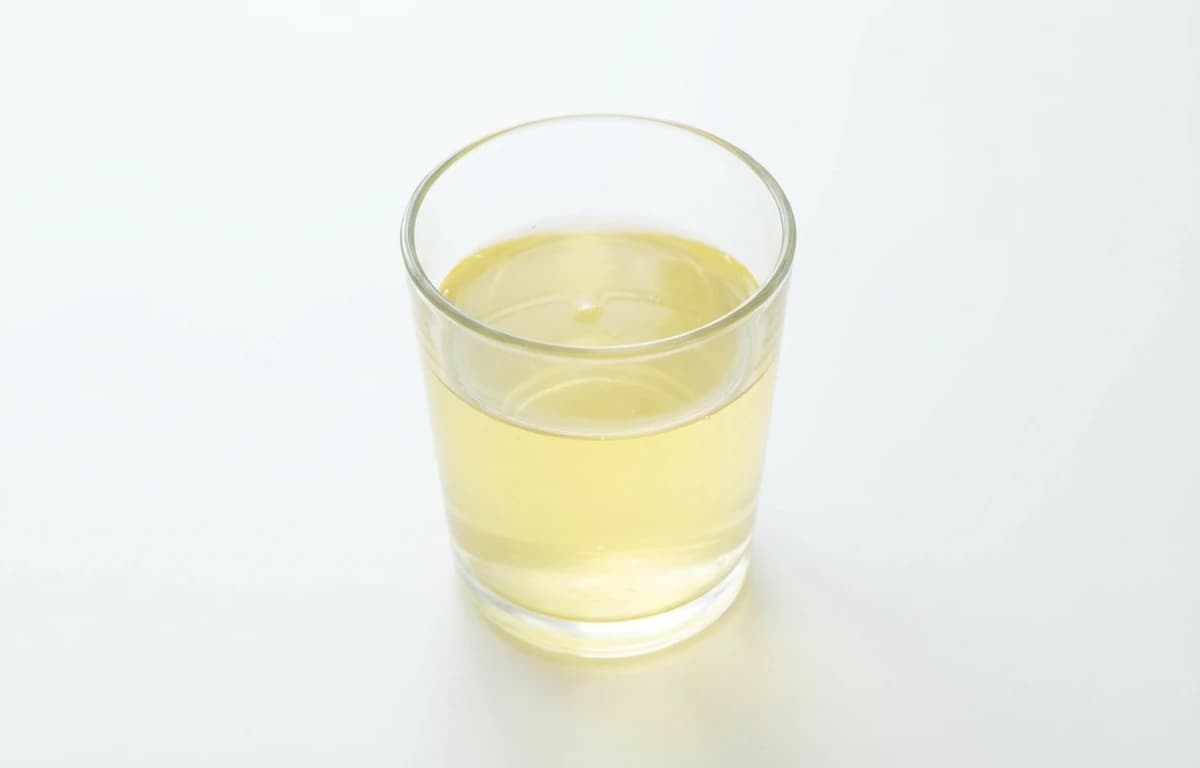
raw frozen pasteurized egg white is a versatile ingredient found in cuisines around the world. With 48 calories per 100g and 10.1 grams of protein, it's a nutritious addition to many dishes.
Explore more ingredients in the egg category with complete nutrition information.
View all egg →Discover 0 recipes featuring raw frozen pasteurized egg white with step-by-step instructions.
Browse recipes →Once completely thawed, pasteurized egg whites should be used within 2 to 3 days. Always keep them refrigerated in a sealed container and check for any off-smells before using.
They are vegetarian-friendly but not vegan, as they are an animal byproduct derived from poultry. They are a popular choice for vegetarians looking to increase their high-quality protein intake.
Pasteurization makes them safe to eat without cooking, which is ideal for specific recipes and shakes. Additionally, buying them frozen and pre-separated saves time and reduces food waste if you only need the whites and not the yolks.