
Vegetable
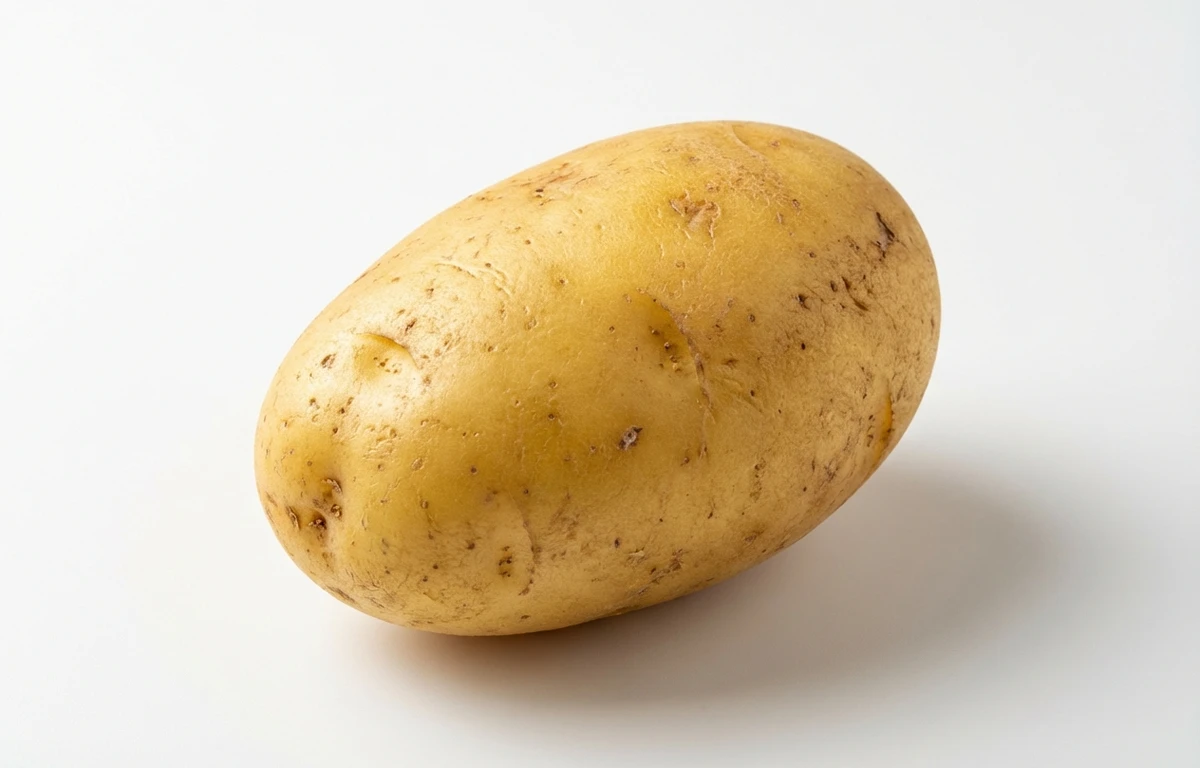
raw gold potato.
VegetarianVeganGluten-freeDairy-freeNut-freePeanut-freeSoy-freeEgg-freeShellfish-freeHoney-freeAlcohol-freeHalalKosher
SERVING
CALORIES
77
PROTEIN
2.0g
CARBS
17.5g
FAT
0.10g
FIBER
2.2g
This ingredient is flagged as naturally gluten-free. Per 100 g, it provides 1.9 µg of vitamin K.
NUTRITION PROFILE · per 100 g
Everything in this ingredient.
MACRONUTRIENTS
Calories77kcal—
Protein2.0g4%
Carbohydrates17.5g6%
Fiber2.2g8%
Sugar0.80g2%
Total fat0.10g0%
Saturated fat0.03g0%
Trans fat0g—
Cholesterol0mg0%
Water79g—
MINERALS
Sodium6.0mg0%
Potassium421mg9%
Calcium12mg1%
Iron0.80mg4%
Magnesium23mg5%
Phosphorus57mg5%
Zinc0.30mg3%
Copper0.11mg12%
Manganese0.15mg7%
Selenium0.30µg1%
VITAMINS
Vitamin A0µg0%
Vitamin C19.7mg22%
Vitamin D0µg0%
Vitamin E0.01mg0%
Vitamin K1.9µg2%
Thiamin (B1)0.08mg7%
Riboflavin (B2)0.03mg2%
Niacin (B3)1.1mg7%
Pantothenic acid (B5)0.30mg6%
Vitamin B60.30mg18%
Folate (B9)16µg4%
Vitamin B120µg0%
%DV based on a 2,000 cal diet. Source: USDA FoodData Central. A dash in the %DV column means there’s no established Daily Value for that nutrient.
MEASUREMENT CONVERSIONS
How much is what.
1 cup133g
1 tablespoon8.3g
1 teaspoon2.8g
1 ml0.6g
1 liter554.2g
1 piece173g
HEALTH BENEFITS
Why eat it.
- ✓Excellent source of potassium, which is vital for regulating blood pressure and fluid balance.
- ✓Provides Vitamin B6, which is crucial for brain development and function.
- ✓Contains resistant starch, especially when cooked and cooled, which acts as a prebiotic to support gut health.
COOKING TIPS
In the kitchen.
- 1Gold potatoes have a naturally creamy, buttery texture and a waxy consistency, making them ideal for roasting, mashing, boiling, and potato salads as they hold their shape well.
- 2For exceptionally creamy mashed potatoes, boil them until tender, then pass them through a ricer or food mill before adding warm butter and milk.
- 3The thin skin is edible and nutritious; scrub well and leave it on for roasting or boiling to add fiber and texture.
- 4When roasting, cut into uniform pieces, toss with oil and seasonings, and cook at a high temperature (400°F/200°C) for a crispy exterior and fluffy interior.
STORAGE
Keep it fresh.
- Store in a cool, dark, and well-ventilated place like a pantry or cellar, ideally between 45-50°F (7-10°C) to prevent sprouting.
- Avoid storing in the refrigerator, as cold temperatures can convert starches to sugars, resulting in a sweet taste and discoloration when cooked.
- Keep them away from onions, as the gases they release can accelerate potato sprouting.
FAQ
Frequently asked questions.
How many calories and carbs are in a gold potato?
A 100g serving of raw gold potato contains approximately 77 calories and 17.5g of carbohydrates. They are naturally low in fat (0.1g) and provide about 2g of protein per serving.
Are gold potatoes keto-friendly?
No, gold potatoes are generally not considered keto-friendly due to their high starch and carbohydrate content. With 17.5g of carbs per 100g, they can easily exceed the daily carb limit for those trying to maintain ketosis.
What do gold potatoes taste like and how are they best used?
Gold potatoes have a distinctively buttery flavor and a creamy, medium-starch texture. They are incredibly versatile and hold their shape well, making them ideal for mashing, roasting, boiling, or using in potato salads.
Do I need to peel gold potatoes before cooking?
No, you do not need to peel them. Gold potatoes have very thin, delicate skins that are perfectly edible and contain much of the potato's fiber and nutrients; simply scrub them clean before cooking.
Can you eat gold potatoes raw?
While not toxic in small amounts, eating raw potatoes is generally discouraged because they contain resistant starches that are difficult to digest and may cause bloating. Cooking them makes the nutrients more bioavailable and improves the flavor.
How should I store gold potatoes and how long do they last?
Store gold potatoes in a cool, dark, and well-ventilated place, such as a pantry or paper bag. Avoid the refrigerator, as cold temperatures turn their starch into sugar; when stored properly, they can last for 2 to 4 weeks.
How can I tell if a gold potato has gone bad?
A gold potato has spoiled if it feels soft or mushy, has a foul odor, or shows significant shriveling. Small sprouts can be removed, but if the potato has turned green or has deep soft spots, it should be discarded.



















