
Loading...
Per 100g
Nutrition data source: USDA FoodData Central
Common measurement equivalents in grams
Yes, Great Northern beans are highly nutritious, providing 21.86g of protein and significant dietary fiber per 100g. They are rich in folate for cell growth and contain essential minerals like magnesium and potassium that support heart health and blood pressure regulation.
Raw Great Northern beans contain approximately 21.86g of protein per 100g. This high protein content makes them an excellent plant-based staple for muscle repair and maintenance in vegetarian and vegan diets.
Yes, they are beneficial for weight management because they are high in fiber and protein, which help you feel full for longer. Additionally, they are very low in fat, containing only 1.14g per 100g, and have a low glycemic index.
Naturally, Great Northern beans are 100% gluten-free. However, if you have a severe allergy or celiac disease, always check the packaging to ensure they were not processed in a facility that also handles wheat or barley.
No, Great Northern beans are not considered keto-friendly as they contain about 62.37g of carbohydrates per 100g. While these are complex carbohydrates with high fiber, the net carb count is too high for a standard ketogenic diet.
Soak the beans overnight in water, drain, and then simmer in fresh water for 45 to 90 minutes until tender. You can also use a pressure cooker to significantly reduce the cooking time to about 20-30 minutes.
No, you should never eat Great Northern beans raw. Like many legumes, they contain lectins (specifically phytohaemagglutinin) which can be toxic and cause severe digestive distress unless destroyed by thorough boiling.
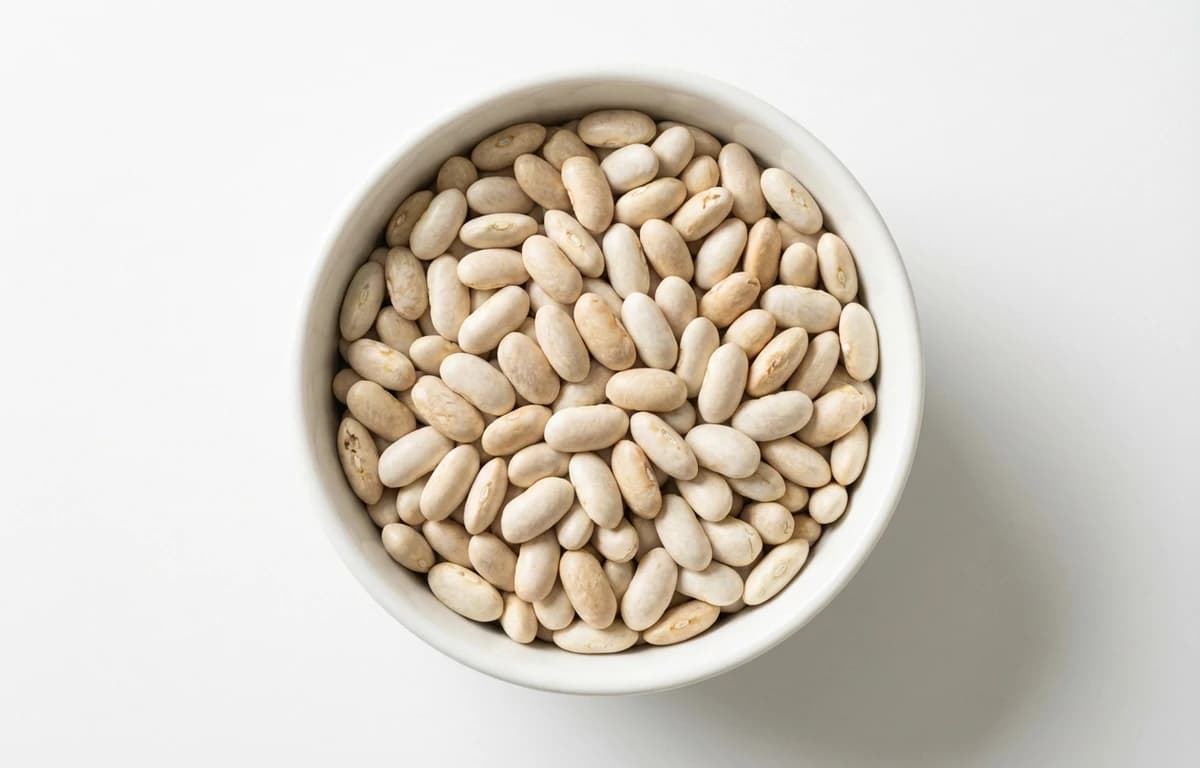
raw great northern beans is a versatile ingredient found in cuisines around the world. With 339 calories per 100g and 21.86 grams of protein, it's a nutritious addition to many dishes.
Explore more ingredients in the legume category with complete nutrition information.
View all legume →Discover 0 recipes featuring raw great northern beans with step-by-step instructions.
Browse recipes →They have a mild, delicate, and slightly nutty flavor with a smooth, creamy texture. Because their flavor is subtle, they are excellent at absorbing the seasonings and juices of the soups, stews, or sauces they are cooked in.
Cannellini beans (White Kidney beans) are the best substitute due to their similar creamy texture. Navy beans also work well, though they are smaller and cook slightly faster than Great Northern beans.
Store them in an airtight container in a cool, dry, and dark pantry. While they can technically last for years, they are best consumed within 12 months; older beans may become very hard and require much longer cooking times to soften.