
Meat
raw horse.
VegetarianVeganGluten-freeDairy-freeNut-freePeanut-freeSoy-freeEgg-freeShellfish-freeHoney-freeAlcohol-freeHalalKosher
ALSO KNOWN AS
horse
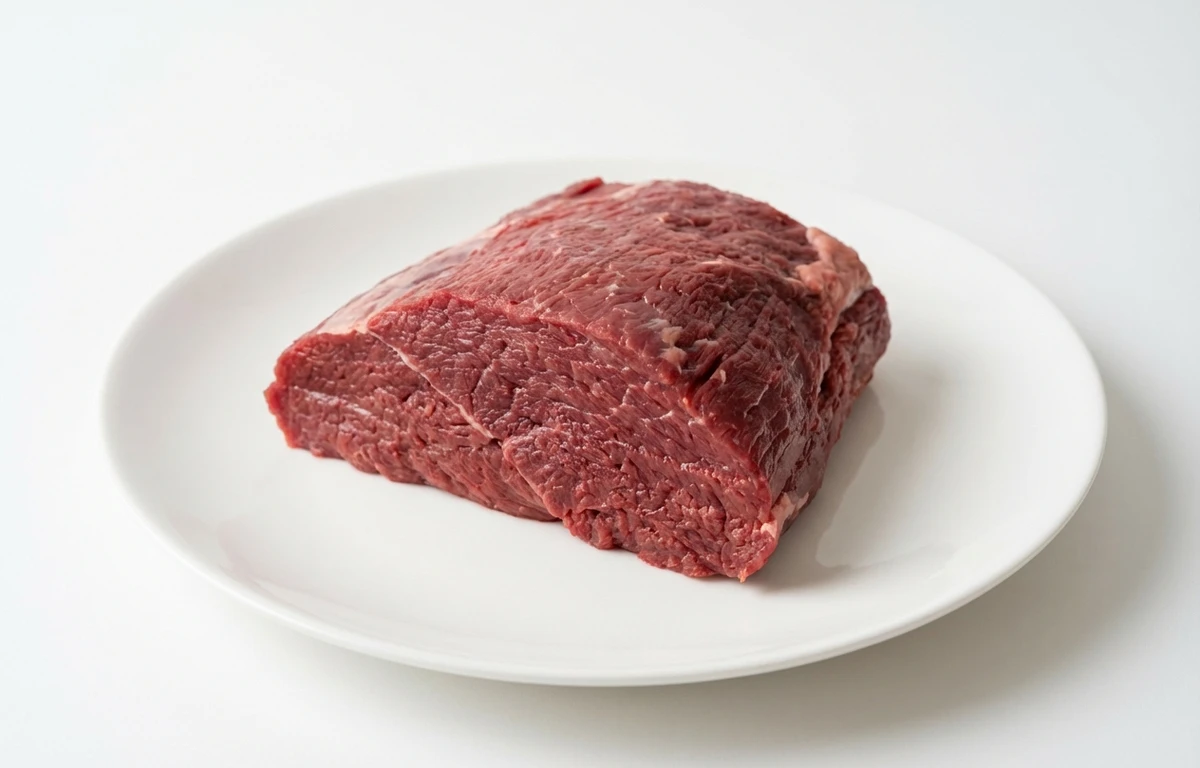
SERVING
CALORIES
133
PROTEIN
21.4g
CARBS
0g
FAT
4.6g
FIBER
0g
NUTRITION PROFILE · per 100 g
Everything in this ingredient.
MACRONUTRIENTS
Calories133kcal—
Protein21.4g43%
Carbohydrates0g0%
Fiber0g0%
Sugar0g0%
Total fat4.6g6%
Saturated fat1.5g8%
Trans fat0g—
Cholesterol52mg17%
Water72.6g—
MINERALS
Sodium53mg2%
Potassium360mg8%
Calcium6.0mg0%
Iron3.8mg21%
Magnesium24mg6%
Phosphorus221mg18%
Zinc4.8mg44%
Copper0.14mg16%
Manganese0.02mg1%
Selenium10.1µg18%
VITAMINS
Vitamin A0µg0%
Vitamin C0mg0%
Vitamin D0µg0%
Vitamin E0.20mg1%
Vitamin K1.1µg1%
Thiamin (B1)0.13mg11%
Riboflavin (B2)0.20mg15%
Niacin (B3)4.6mg29%
Pantothenic acid (B5)0.60mg12%
Vitamin B60.38mg22%
Folate (B9)7.0µg2%
Vitamin B123.0µg125%
%DV based on a 2,000 cal diet. Source: USDA FoodData Central. A dash in the %DV column means there’s no established Daily Value for that nutrient.
MEASUREMENT CONVERSIONS
How much is what.
1 cup248.4g
1 tablespoon15.5g
1 teaspoon5.2g
1 oz28.4g
1 lb453.6g
1 ml1.1g
1 liter1050g
HEALTH BENEFITS
Why eat it.
- ✓Excellent source of high-quality, complete protein for muscle building and repair.
- ✓Extremely rich in heme iron, which is highly bioavailable and effective in preventing iron-deficiency anemia.
- ✓Lower in fat and cholesterol compared to many cuts of beef, making it a leaner red meat choice.
- ✓Provides significant amounts of B vitamins, particularly vitamin B12 for nerve function and B6 for metabolism.
COOKING TIPS
In the kitchen.
- 1Due to its leanness, horse meat cooks quickly and can become tough if overcooked. It is best served rare to medium-rare.
- 2In many cultures, it is consumed raw as tartare or sashimi (basashi). Only use extremely fresh, high-quality meat specifically sold for raw consumption.
- 3The slightly sweet flavor pairs well with robust ingredients like garlic, onions, soy sauce, and ginger.
- 4For tougher cuts, slow-cooking methods like braising or stewing can yield tender, flavorful results.
STORAGE
Keep it fresh.
- Store raw horse meat in the refrigerator at or below 40°F (4°C) in its original packaging or an airtight container and use within 1-2 days.
- For long-term storage, freeze at 0°F (-18°C) by wrapping it tightly in plastic wrap and freezer paper or a freezer bag. It can be stored for 6-12 months.
FAQ
Frequently asked questions.
Is horse meat healthy?
Yes, horse meat is a nutrient-dense red meat that is exceptionally high in iron and B vitamins. It is leaner and lower in cholesterol than many cuts of beef, making it a high-quality protein option for those looking to manage fat intake.
How much protein and calories are in horse meat?
A 100g serving of raw horse meat contains approximately 133 calories and 21.4g of protein. With 0g of carbohydrates and only 4.6g of fat, it is considered a very lean and efficient source of complete protein.
Is horse meat keto-friendly?
Yes, horse meat is excellent for ketogenic and low-carb diets. It contains zero carbohydrates and provides high-quality protein and essential fats, fitting perfectly into a macro-based meal plan.
What does horse meat taste like?
Horse meat has a flavor profile similar to beef but is notably sweeter and slightly more gamey. Because it is very lean, it has a tender texture but lacks the buttery mouthfeel of highly marbled beef.
Can you eat horse meat raw?
Yes, horse meat is traditionally consumed raw in dishes like Japanese 'Basashi' (horse sashimi) or European 'Steak Tartare.' However, it must be sourced from high-quality suppliers and handled with strict hygiene to prevent foodborne illness.
How do you cook horse meat without it becoming tough?
Because horse meat is very lean, it can become tough if overcooked. It is best prepared using quick, high-heat methods like searing to medium-rare, or very slow-cooking methods like braising to break down muscle fibers.
Is horse meat good for people with anemia?
Horse meat is an exceptional source of heme iron, which is the form of iron most easily absorbed by the body. This makes it highly effective for preventing or treating iron-deficiency anemia compared to plant-based iron sources.
Is horse meat halal or kosher?
In Islamic dietary law, horse meat is generally considered 'makruh' (disliked but not forbidden). In Jewish dietary law, horse meat is not kosher because horses do not have cloven hooves and do not chew their cud.
How should raw horse meat be stored?
Raw horse meat should be stored in the coldest part of the refrigerator and consumed within 2 to 3 days. For long-term storage, it can be vacuum-sealed and frozen for up to 6-12 months without significant loss of quality.
How can you tell if horse meat has gone bad?
Fresh horse meat is typically a dark, vibrant red. If it develops a greyish or greenish tint, a slimy or sticky surface texture, or a sour, off-putting odor, it has likely spoiled and should be discarded.



















