
Vegetable
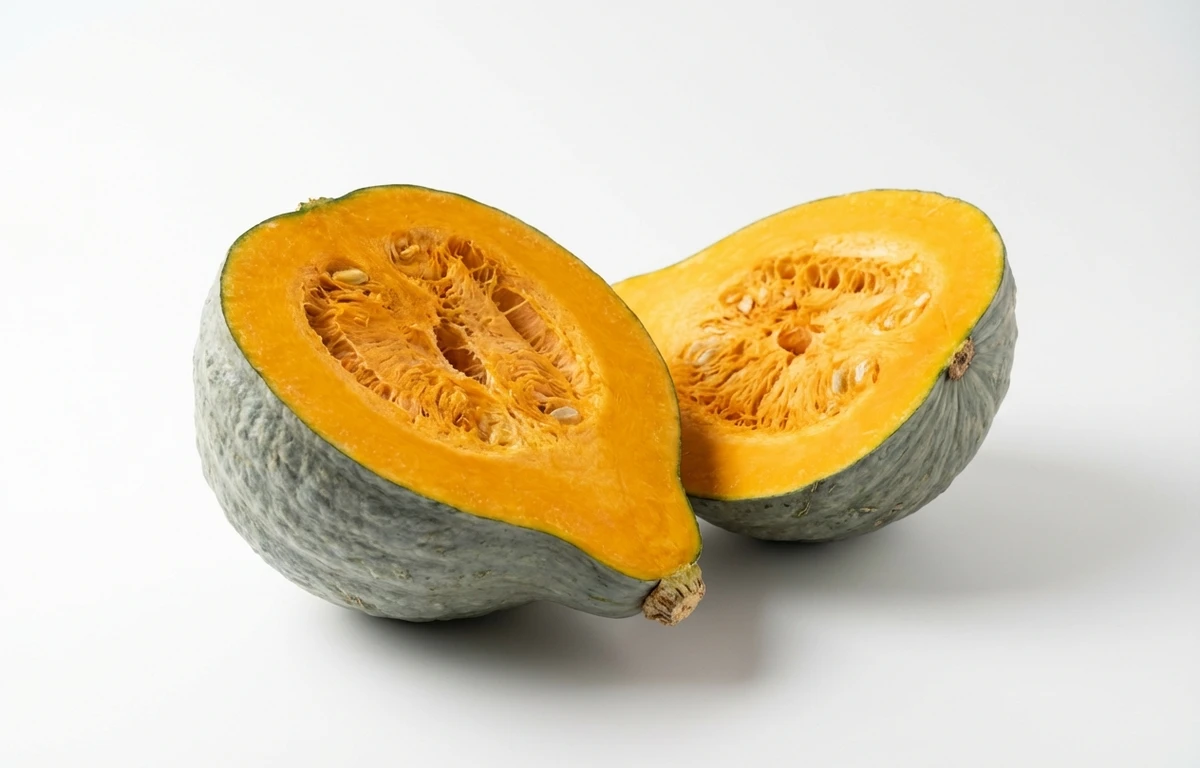
raw hubbard squash.
VegetarianVeganGluten-freeDairy-freeNut-freePeanut-freeSoy-freeEgg-freeShellfish-freeHoney-freeAlcohol-freeHalalKosher
ALSO KNOWN AS
hubbard squash
SERVING
CALORIES
40
PROTEIN
2.0g
CARBS
8.7g
FAT
0.50g
FIBER
3.9g
This ingredient is flagged as naturally gluten-free. Per 100 g, it provides 1.3 µg of vitamin K.
NUTRITION PROFILE · per 100 g
Everything in this ingredient.
MACRONUTRIENTS
Calories40kcal—
Protein2.0g4%
Carbohydrates8.7g3%
Fiber3.9g14%
Sugar4.0g8%
Total fat0.50g1%
Saturated fat0.10g1%
Trans fat0g—
Cholesterol0mg0%
Water88g—
MINERALS
Sodium7.0mg0%
Potassium320mg7%
Calcium14mg1%
Iron0.40mg2%
Magnesium19mg5%
Phosphorus21mg2%
Zinc0.13mg1%
Copper0.06mg7%
Manganese0.18mg8%
Selenium0.50µg1%
VITAMINS
Vitamin A68µg8%
Vitamin C11mg12%
Vitamin D0µg0%
Vitamin E0.16mg1%
Vitamin K1.3µg1%
Thiamin (B1)0.07mg6%
Riboflavin (B2)0.04mg3%
Niacin (B3)0.50mg3%
Pantothenic acid (B5)0.40mg8%
Vitamin B60.15mg9%
Folate (B9)16µg4%
Vitamin B120µg0%
%DV based on a 2,000 cal diet. Source: USDA FoodData Central. A dash in the %DV column means there’s no established Daily Value for that nutrient.
MEASUREMENT CONVERSIONS
How much is what.
1 cup116g
1 tablespoon7.3g
1 teaspoon2.4g
1 ml0.5g
1 liter483.3g
HEALTH BENEFITS
Why eat it.
- ✓Good source of potassium, an essential mineral for maintaining healthy blood pressure and fluid balance.
COOKING TIPS
In the kitchen.
- 1Due to its extremely hard rind, it's often easiest to bake or steam the squash in large chunks or halves with the skin on, then scoop out the cooked flesh.
- 2To make cutting easier, carefully pierce the skin in several places and microwave the whole squash for 3-5 minutes to slightly soften the rind.
- 3Hubbard squash has a sweet, rich flavor perfect for roasting, mashing, or pureeing into soups, pies, and custards.
- 4Don't discard the seeds. They can be cleaned, seasoned, and roasted for a nutritious and crunchy snack, similar to pumpkin seeds.
STORAGE
Keep it fresh.
- Store a whole, uncut Hubbard squash in a cool, dark, and well-ventilated place (like a pantry or cellar) at 50-55°F (10-13°C) for up to 6 months.
- Once cut, wrap the pieces tightly in plastic wrap or place in an airtight container and refrigerate for up to 5 days.
- Cooked and pureed squash can be frozen in airtight containers or freezer bags for up to 12 months.
FAQ
Frequently asked questions.
Is Hubbard squash healthy?
Yes, Hubbard squash is highly nutritious. It is an excellent source of Vitamin A for vision and Vitamin C for immunity, while providing 2g of protein and significant fiber per 100g serving.
How many calories and carbs are in Hubbard squash?
A 100g serving of raw Hubbard squash contains approximately 40 calories and 8.7g of carbohydrates. It is a low-fat vegetable with only 0.5g of fat per serving, making it a nutrient-dense choice.
Is Hubbard squash keto-friendly?
With 8.7g of carbs per 100g, Hubbard squash is moderately high in carbohydrates for a strict keto diet. However, its high fiber content helps lower the net carb count, making it acceptable in small portions for some low-carb lifestyles.
Can you eat Hubbard squash raw?
While technically edible raw, Hubbard squash has a very hard, dense texture and a starchy flavor when uncooked. It is much more palatable and easier to digest when roasted, steamed, or boiled to soften the flesh.
How do you prepare Hubbard squash for cooking?
Because the skin is very thick and hard, it is often easiest to cut the squash in half or large wedges first. Remove the seeds and pulp, then either roast it in the skin or carefully peel the rind with a sharp knife before cubing.
What does Hubbard squash taste like?
Hubbard squash has a rich, sweet, and nutty flavor, often described as a cross between a sweet potato and a pumpkin. Its fine-grained flesh becomes very creamy when cooked, making it ideal for soups and purees.
How do you store Hubbard squash?
Whole Hubbard squash can be stored in a cool, dry, and dark place for up to six months. Once cut, wrap the pieces in plastic and refrigerate them, where they will stay fresh for about 4 to 5 days.
Is Hubbard squash gluten-free and vegan?
Yes, Hubbard squash is a naturally gluten-free and vegan vegetable. It is a whole plant food suitable for almost all dietary preferences and is a great source of complex carbohydrates for plant-based diets.
Can you eat the seeds of a Hubbard squash?
Yes, the seeds are edible and highly nutritious. Similar to pumpkin seeds, they can be cleaned, seasoned, and roasted in the oven for a crunchy, protein-rich snack.



















