
Loading...
Per 100g
Nutrition data source: USDA FoodData Central
Common measurement equivalents in grams
It typically lasts 3-5 days in the refrigerator. If it starts to feel soft or develops dark spots, it is past its prime.
Yes, but it is best to blanch it first. Note that the texture will become much softer upon thawing, making it better for purees or curries than dry dishes.
Look for small to medium-sized squash that are firm, heavy for their size, and have a bright green, unblemished skin.
Zucchini, chayote squash, or bottle gourd (lauki) are the best substitutes due to their similar water content and mild flavor.
For young, small tinda, the seeds are tender and edible. For larger, mature squash, the seeds can be hard and should be removed.
Yes, it is very low in calories (about 21 per 100g) and high in water and fiber, which helps you feel full.
Wash thoroughly under cold running water. Lightly scrape or peel the skin and trim the stem and base ends.
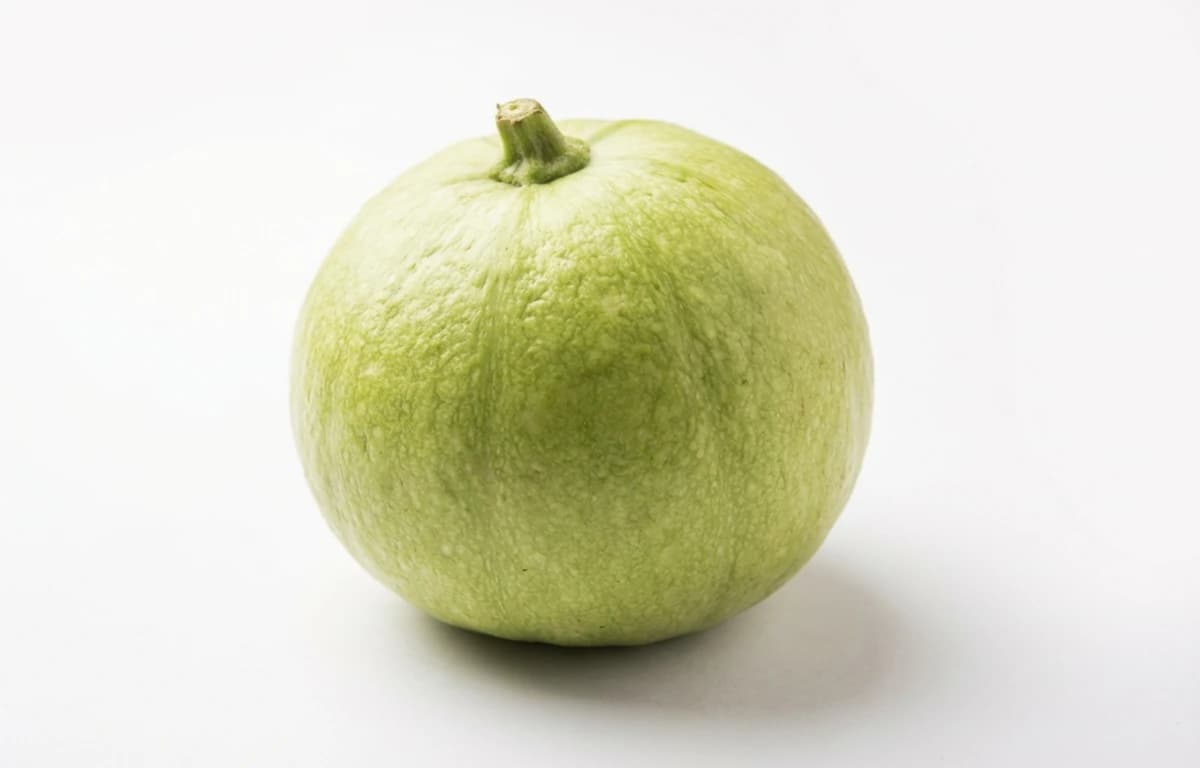
No, although it is often called 'Apple Gourd' due to its shape and size, it is a vegetable in the gourd family and not related to apples.
It is most commonly used in North Indian cuisine for 'Tinda Masala' (a dry curry) or 'Bharwan Tinda' (stuffed squash).
raw indian squash is a versatile ingredient found in cuisines around the world. With 21 calories per 100g and 1.4 grams of protein, it's a nutritious addition to many dishes.
Explore more ingredients in the vegetable category with complete nutrition information.
View all vegetable →Discover 0 recipes featuring raw indian squash with step-by-step instructions.
Browse recipes →