
Vegetable10 recipes
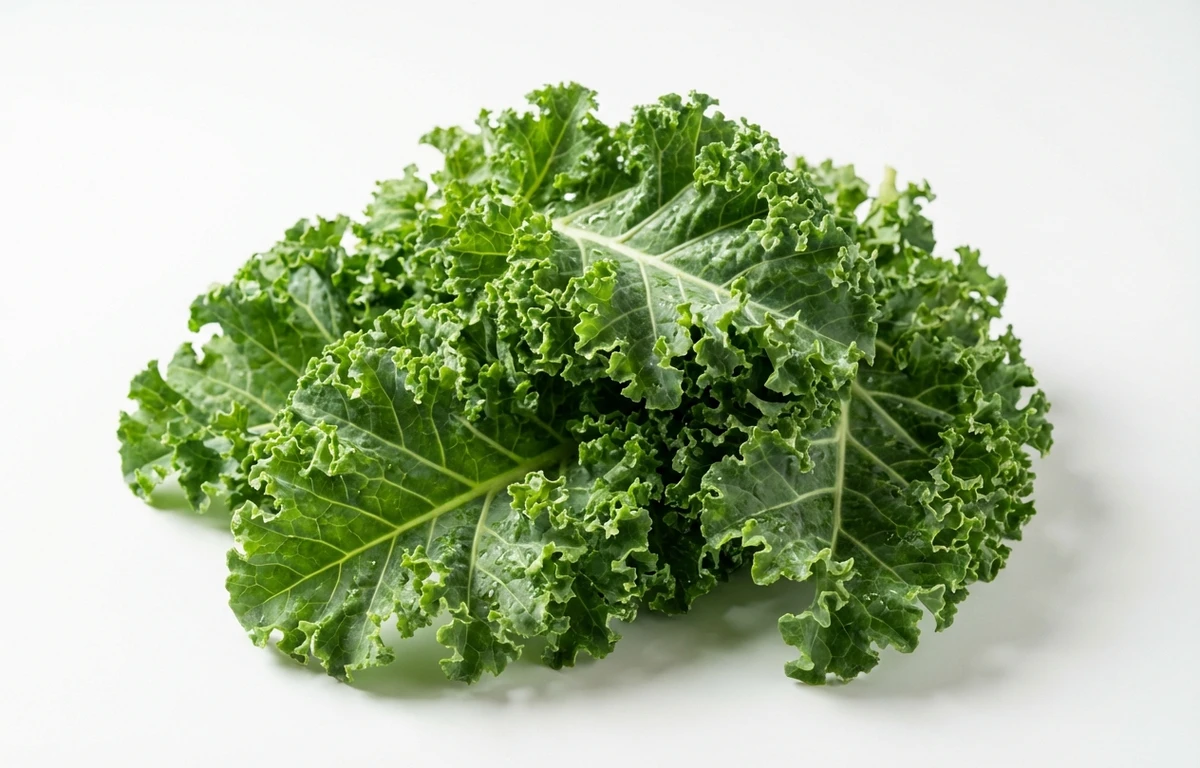
raw kale.
VegetarianVeganGluten-freeDairy-freeNut-freePeanut-freeSoy-freeEgg-freeShellfish-freeHoney-freeAlcohol-free
ALSO KNOWN AS
kale
SERVING
CALORIES
49
PROTEIN
4.3g
CARBS
8.8g
FAT
0.90g
FIBER
3.6g
This ingredient is flagged as naturally gluten-free. Per 100 g, it provides 705 µg of vitamin K.
NUTRITION PROFILE · per 100 g
Everything in this ingredient.
MACRONUTRIENTS
Calories49kcal—
Protein4.3g9%
Carbohydrates8.8g3%
Fiber3.6g13%
Sugar2.3g5%
Total fat0.90g1%
Saturated fat0.10g1%
Trans fat0g—
Cholesterol0mg0%
Water84g—
MINERALS
Sodium38mg2%
Potassium491mg10%
Calcium254mg20%
Iron1.6mg9%
Magnesium47mg11%
Phosphorus92mg7%
Zinc0.56mg5%
Copper0.30mg33%
Manganese0.66mg29%
Selenium0.90µg2%
VITAMINS
Vitamin A500µg56%
Vitamin C120mg133%
Vitamin D0µg0%
Vitamin E1.5mg10%
Vitamin K705µg587%
Thiamin (B1)0.11mg9%
Riboflavin (B2)0.13mg10%
Niacin (B3)1.0mg6%
Pantothenic acid (B5)0.09mg2%
Vitamin B60.27mg16%
Folate (B9)141µg35%
Vitamin B120µg0%
%DV based on a 2,000 cal diet. Source: USDA FoodData Central. A dash in the %DV column means there’s no established Daily Value for that nutrient.
MEASUREMENT CONVERSIONS
How much is what.
1 cup20.6g
1 piece20.6g
HEALTH BENEFITS
Why eat it.
- ✓Contains lutein and zeaxanthin, nutrients that protect the eyes from age-related macular degeneration.
COOKING TIPS
In the kitchen.
- 1To reduce bitterness for raw salads, remove the tough central rib and massage the leaves with olive oil and a pinch of salt until they soften.
- 2Kale can be baked into crispy chips by tossing with oil and seasonings and baking at a low temperature until crisp.
- 3When adding to soups or stews, add it during the last 15 minutes of cooking to retain some texture and nutrients.
- 4Sautéing with garlic, lemon juice, and a pinch of red pepper flakes is a quick and flavorful way to prepare kale as a side dish.
STORAGE
Keep it fresh.
- Store unwashed kale in a perforated plastic bag in the refrigerator's crisper drawer for up to one week.
- To keep it fresh longer, wrap the stems in a damp paper towel before placing it in the bag.
- For long-term storage, blanch leaves, shock in ice water, drain thoroughly, and freeze in an airtight container for up to 8 months.
FAQ
Frequently asked questions.
How many calories and protein are in raw kale?
A 100g serving of raw kale contains approximately 49 calories and 4.3 grams of protein. It also provides about 8.8 grams of carbohydrates and less than 1 gram of fat, making it a low-calorie, high-nutrient vegetable.
Is raw kale keto-friendly?
Yes, raw kale is keto-friendly. While it contains 8.8g of total carbohydrates per 100g, a significant portion of that is dietary fiber, resulting in a low net carb count that fits well within a ketogenic or low-carb diet.
How do you make raw kale taste better in salads?
To improve the texture and reduce bitterness, 'massage' the raw leaves with a small amount of olive oil, lemon juice, or salt for 2-3 minutes. This breaks down the tough cellulose fibers, making the leaves softer and more palatable.
Can you eat the stems of raw kale?
Yes, kale stems are edible, though they are much tougher and more fibrous than the leaves. You can finely mince them for salads, add them to smoothies, or save them to juice or sauté separately.
How should I store raw kale to keep it fresh?
Store raw kale in a breathable plastic bag or wrapped in a damp paper towel in the crisper drawer of your refrigerator. Avoid washing the leaves until you are ready to use them, as excess moisture can lead to premature spoilage.
How long does raw kale last in the refrigerator?
When stored properly in the crisper drawer, raw kale typically stays fresh for 5 to 7 days. You will know it has gone bad if the leaves become limp, turn yellow or brown, or develop a slimy texture and unpleasant odor.
Are there any risks to eating raw kale?
For most, raw kale is very safe; however, it contains goitrogens which can interfere with thyroid function if consumed in excessive amounts. Additionally, because it is very high in Vitamin K, individuals on blood-thinning medications should consult their doctor.
Is raw kale vegan and gluten-free?
Yes, raw kale is naturally vegan and gluten-free. It is a plant-based leafy green that contains no animal products or wheat derivatives, making it suitable for almost all dietary restrictions.
RECIPES
Cook with raw kale.
10 recipes · sorted by what’s quick
RELATED GUIDES



















