
Fruit
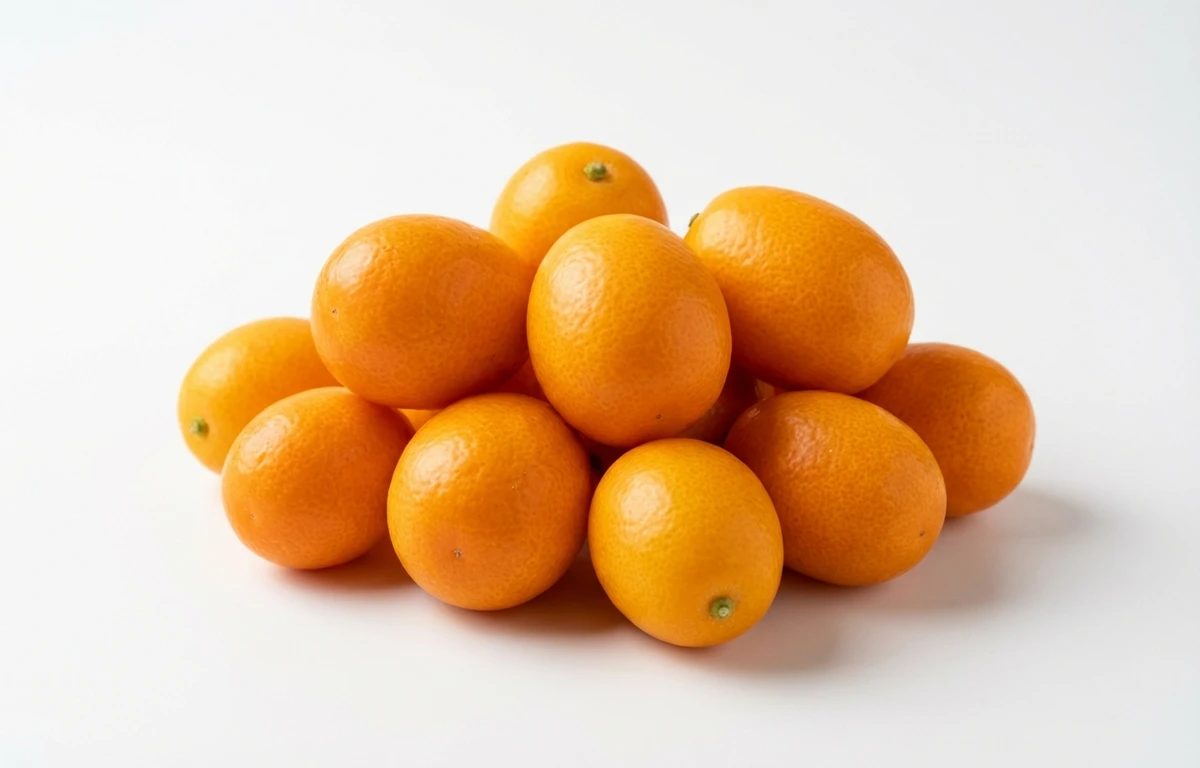
raw kumquat.
VegetarianVeganGluten-freeDairy-freeNut-freePeanut-freeSoy-freeEgg-freeShellfish-freeHoney-freeAlcohol-freeHalalKosher
ALSO KNOWN AS
kumquat
SERVING
CALORIES
71
PROTEIN
1.9g
CARBS
15.9g
FAT
0.86g
FIBER
6.5g
NUTRITION PROFILE · per 100 g
Everything in this ingredient.
MACRONUTRIENTS
Calories71kcal—
Protein1.9g4%
Carbohydrates15.9g6%
Fiber6.5g23%
Sugar9.4g19%
Total fat0.86g1%
Saturated fat0.10g1%
Trans fat0g—
Cholesterol0mg0%
Water80.8g—
MINERALS
Sodium10mg0%
Potassium186mg4%
Calcium62mg5%
Iron0.86mg5%
Magnesium20mg5%
Phosphorus19mg2%
Zinc0.17mg2%
Copper0.10mg11%
Manganese0.14mg6%
Selenium0µg0%
VITAMINS
Vitamin A15µg2%
Vitamin C43.9mg49%
Vitamin D0µg0%
Vitamin E0.15mg1%
Vitamin K0µg0%
Thiamin (B1)0.04mg3%
Riboflavin (B2)0.09mg7%
Niacin (B3)0.43mg3%
Pantothenic acid (B5)0.21mg4%
Vitamin B60.04mg2%
Folate (B9)17µg4%
Vitamin B120µg0%
%DV based on a 2,000 cal diet. Source: USDA FoodData Central. A dash in the %DV column means there’s no established Daily Value for that nutrient.
MEASUREMENT CONVERSIONS
How much is what.
1 cup194g
1 tablespoon12.1g
1 teaspoon4g
1 ml0.8g
1 liter808.3g
1 piece19g
HEALTH BENEFITS
Why eat it.
- ✓Rich in Vitamin C and fiber, supporting immune function and digestive health, with the edible peel being a primary source of these nutrients.
- ✓Contains potent plant compounds like flavonoids and essential oils, which provide significant antioxidant and anti-inflammatory benefits.
- ✓Low in calories and high in water content, making it a hydrating and diet-friendly snack.
- ✓Provides a source of antioxidants like beta-carotene, which supports vision and cellular health.
COOKING TIPS
In the kitchen.
- 1Eat the entire fruit, including the sweet peel and tart flesh, for a balanced flavor. Roll it between your fingers before eating to release the essential oils.
- 2Slice thinly and add to salads, salsas, or use as a vibrant garnish for fish, poultry, and cocktails.
- 3Simmer with sugar and water to create marmalades, preserves, or candied kumquats for desserts and cheese boards.
- 4Infuse sliced kumquats in vinegar or spirits like vodka to create flavorful dressings and beverages.
STORAGE
Keep it fresh.
- Store at room temperature for 3-4 days or refrigerate in a sealed container for up to two weeks.
- For long-term storage, kumquats can be frozen whole for several months.
FAQ
Frequently asked questions.
What are the primary health benefits of eating raw kumquats?
Kumquats are excellent for immune support and digestive health due to their high Vitamin C and fiber content. The edible peel is particularly rich in antioxidants like flavonoids and essential oils, which provide anti-inflammatory benefits.
How many calories and carbohydrates are in kumquats?
A 100g serving of raw kumquats contains approximately 71 calories and 15.9g of carbohydrates. They also provide about 1.88g of protein and a negligible 0.86g of fat.
Do I need to peel a kumquat before eating it?
No, you should not peel a kumquat. Unlike most citrus fruits, the peel of a kumquat is the sweetest part and contains the majority of the fruit's nutrients; the inner flesh is the part that is tart.
Are kumquats keto-friendly?
With nearly 16g of carbs per 100g, kumquats should be consumed in moderation on a ketogenic diet. However, because they are high in fiber, a small serving of 2-3 fruits can often fit within daily carb limits.
What is the best way to eat a raw kumquat?
Wash the fruit thoroughly and roll it between your fingers or palms to release the essential oils in the skin. Pop the entire fruit into your mouth and chew to experience the blend of the sweet peel and sour juice.
How should I store raw kumquats and how long do they last?
Kumquats can stay fresh at room temperature for about 3 to 5 days. To extend their shelf life up to two weeks, store them in a breathable bag or sealed container in the refrigerator.
Are kumquats good for weight loss?
Yes, kumquats are a diet-friendly snack because they are low in calories and have a high water content. Their high fiber content also helps promote satiety, keeping you feeling full for longer.
What do kumquats taste like?
Kumquats offer a unique flavor profile where the thin skin is sweet and aromatic, while the juice and flesh inside are quite tart. Eating them whole creates a balanced, zesty, sweet-and-sour experience.
Are kumquat seeds edible?
Yes, the seeds are technically edible, though they can be slightly bitter and crunchy. Most people eat them along with the fruit, but you can remove them if you find the texture or bitterness unappealing.
How can I tell if a kumquat is ripe and fresh?
Look for kumquats that are firm to the touch and have a bright, consistent orange color without any green tint. Avoid fruits that have soft spots, shriveled skin, or visible blemishes.



















