
Meat
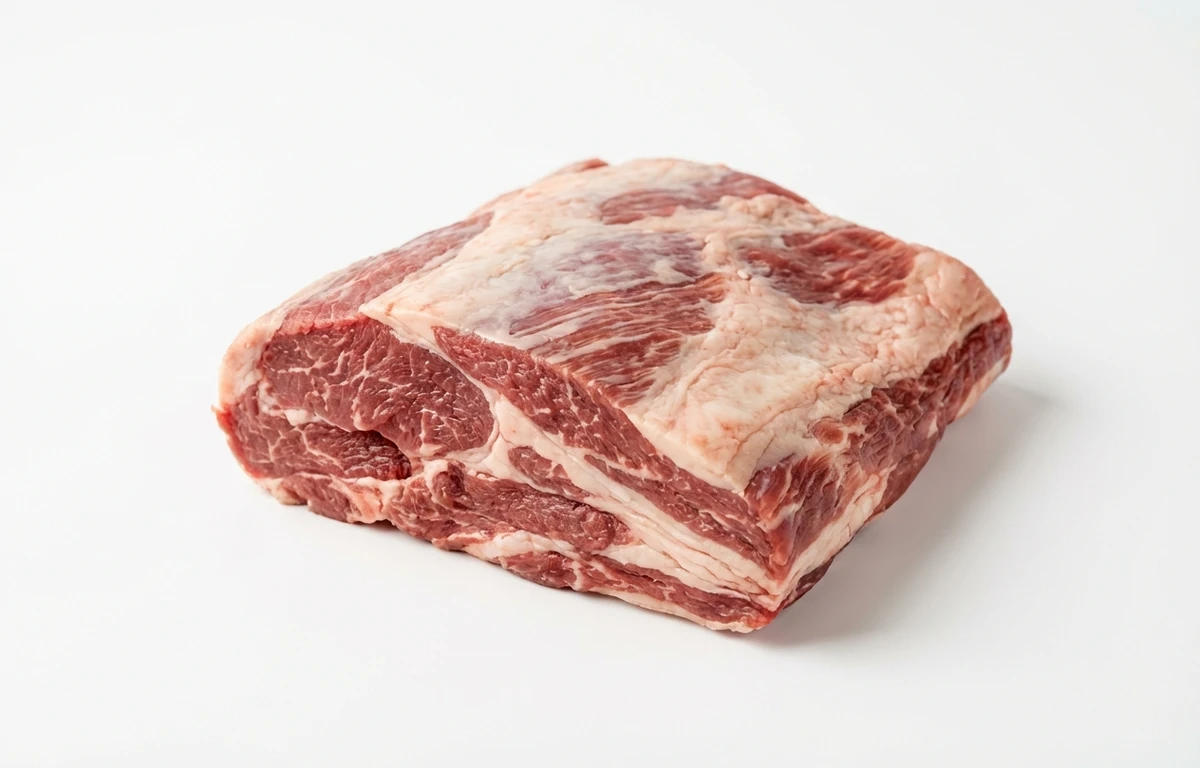
raw lamb flap.
VegetarianVeganGluten-freeDairy-freeNut-freePeanut-freeSoy-freeEgg-freeShellfish-freeHoney-freeAlcohol-free
SERVING
CALORIES
337
PROTEIN
16.2g
CARBS
0.27g
FAT
30.1g
FIBER
0g
NUTRITION PROFILE · per 100 g
Everything in this ingredient.
MACRONUTRIENTS
Calories337kcal—
Protein16.2g32%
Carbohydrates0.27g0%
Fiber0g0%
Sugar0g0%
Total fat30.1g39%
Saturated fat12.7g64%
Trans fat1.5g—
Cholesterol64mg21%
Water54.4g—
MINERALS
Sodium69mg3%
Potassium240mg5%
Calcium6.0mg0%
Iron0.84mg5%
Magnesium15mg4%
Phosphorus129mg10%
Zinc2.4mg21%
Copper0.05mg6%
Manganese0mg0%
Selenium3.1µg6%
VITAMINS
Vitamin A20µg2%
Vitamin C0mg0%
Vitamin D0.10µg1%
Vitamin E0.58mg4%
Thiamin (B1)0.06mg5%
Riboflavin (B2)0.11mg8%
Niacin (B3)3.5mg22%
Pantothenic acid (B5)0.37mg7%
Vitamin B60.09mg5%
Vitamin B121.6µg67%
%DV based on a 2,000 cal diet. Source: USDA FoodData Central. A dash in the %DV column means there’s no established Daily Value for that nutrient.
MEASUREMENT CONVERSIONS
How much is what.
1 cup150g
1 tablespoon9g
1 oz28.4g
1 lb453.6g
1 piece120g
HEALTH BENEFITS
Why eat it.
- ✓Rich source of high-quality complete protein, essential for muscle growth, repair, and overall body function.
- ✓Excellent source of heme iron, which is highly bioavailable and helps prevent iron-deficiency anemia.
- ✓Provides significant amounts of zinc, crucial for immune system function, wound healing, and cell growth.
- ✓Contains a good profile of B vitamins, especially Vitamin B12 for nerve function and red blood cell formation, and Niacin (B3) for energy metabolism.
COOKING TIPS
In the kitchen.
- 1Lamb flap is a fatty cut, making it ideal for slow cooking methods like braising or slow-roasting, which renders the fat and results in tender, flavorful meat.
- 2For grilling or pan-searing, marinate the flap for several hours to tenderize and add flavor. Cook over indirect heat initially to render the fat slowly before searing over direct heat to crisp the outside.
- 3Score the fat cap in a diamond pattern before cooking. This helps the fat render more evenly and creates a crispy texture.
- 4This cut can be deboned, stuffed with herbs and aromatics, then rolled and tied to create a flavorful lamb roast.
STORAGE
Keep it fresh.
- Refrigerate raw lamb flap immediately at 40°F (4°C) or below in its original packaging or a sealed container on the lowest shelf to prevent drips. Use within 3-5 days.
- For long-term storage, wrap tightly in plastic wrap and heavy-duty foil or place in a freezer bag, removing as much air as possible. Freeze at 0°F (-18°C) for up to 9 months for best quality.
FAQ
Frequently asked questions.
Is lamb flap healthy?
Lamb flap is a nutrient-dense meat that provides high-quality protein, heme iron, and essential B vitamins. However, it is a very fatty cut with over 30g of fat per 100g, so it should be consumed in moderation, especially by those monitoring their saturated fat intake.
How much protein and calories are in raw lamb flap?
A 100g serving of raw lamb flap contains approximately 337 calories and 16.17g of protein. While it is lower in protein than leaner cuts, it remains a complete protein source containing all essential amino acids.
Is lamb flap suitable for a keto or low-carb diet?
Yes, lamb flap is highly keto-friendly. With only 0.27g of carbohydrates and a high fat content of 30.14g per 100g, it fits the macronutrient profile required for maintaining ketosis.
Is lamb flap considered Halal or Kosher?
Lamb is naturally permissible under both Halal and Kosher dietary laws. However, for the meat to be certified, the animal must be slaughtered and processed according to specific religious requirements; look for official certification on the packaging.
What is the best way to cook lamb flap?
Because it is a tough and fatty cut from the belly area, lamb flap is best suited for low and slow cooking methods. Braising, slow-roasting, or stewing allows the connective tissue to break down and the fat to render, resulting in tender meat.
What does lamb flap taste like?
Lamb flap has a very rich, robust, and distinctly 'gamey' lamb flavor due to its high fat content. When slow-cooked, it develops a succulent texture similar to beef short ribs or pork belly.
How should I store raw lamb flap?
Keep raw lamb flap in its original packaging or an airtight container in the coldest part of the refrigerator for 3 to 5 days. For long-term storage, freeze it for up to 6 to 9 months.
How can I tell if raw lamb flap has gone bad?
Fresh lamb flap should be pinkish-red with firm white fat and a mild scent. If the meat turns grey or brown, feels slimy or tacky to the touch, or develops a strong, sour odor, it has spoiled and should be discarded.
Is lamb flap good for preventing anemia?
Yes, lamb flap is an excellent source of heme iron, which is the form of iron most easily absorbed by the human body. Regular consumption can help maintain healthy red blood cells and prevent iron-deficiency anemia.
Should I trim the fat off lamb flap before cooking?
While you can trim large external layers of fat, much of the flavor and tenderness comes from the fat rendering during the cooking process. It is often better to cook it with the fat and skim off any excess liquid from the pot afterward.



















