
Loading...
Per 100g
Nutrition data source: USDA FoodData Central
Common measurement equivalents in grams
Yes, lamb shoulder is a nutrient-dense meat that provides high-quality complete protein, essential for muscle repair and growth. It is an excellent source of heme iron, B vitamins (especially B12), and minerals like zinc and selenium, though it should be eaten in moderation due to its fat content.
A 100g serving of raw lamb shoulder contains approximately 17.5g of protein and 18.1g of fat. With 232 calories and zero carbohydrates, it is a calorie-dense protein source suitable for various high-protein diets.
Yes, lamb shoulder is highly keto-friendly because it contains zero carbohydrates and a significant amount of fat (18.1g per 100g). This macronutrient profile helps those on a ketogenic diet meet their fat requirements while maintaining ketosis.
Because lamb shoulder contains significant connective tissue and marbling, it is best suited for slow-cooking methods like braising, stewing, or slow-roasting. These methods allow the collagen to break down, resulting in very tender, flavorful meat.
Raw lamb shoulder is naturally gluten-free as it is a pure animal protein. However, if you are buying pre-marinated or seasoned lamb shoulder, check the label for wheat-based thickeners or soy sauce which may contain gluten.
Raw lamb shoulder can be stored in the refrigerator for 3 to 5 days if kept in its original packaging or an airtight container. For longer storage, it can be frozen for 6 to 9 months without significant loss of quality.
Fresh lamb should have a pinkish-red color and a neutral, slightly gamey scent. If the meat develops a greyish tint, a slimy or tacky texture, or a strong, sour, or ammonia-like odor, it has spoiled and should be discarded.
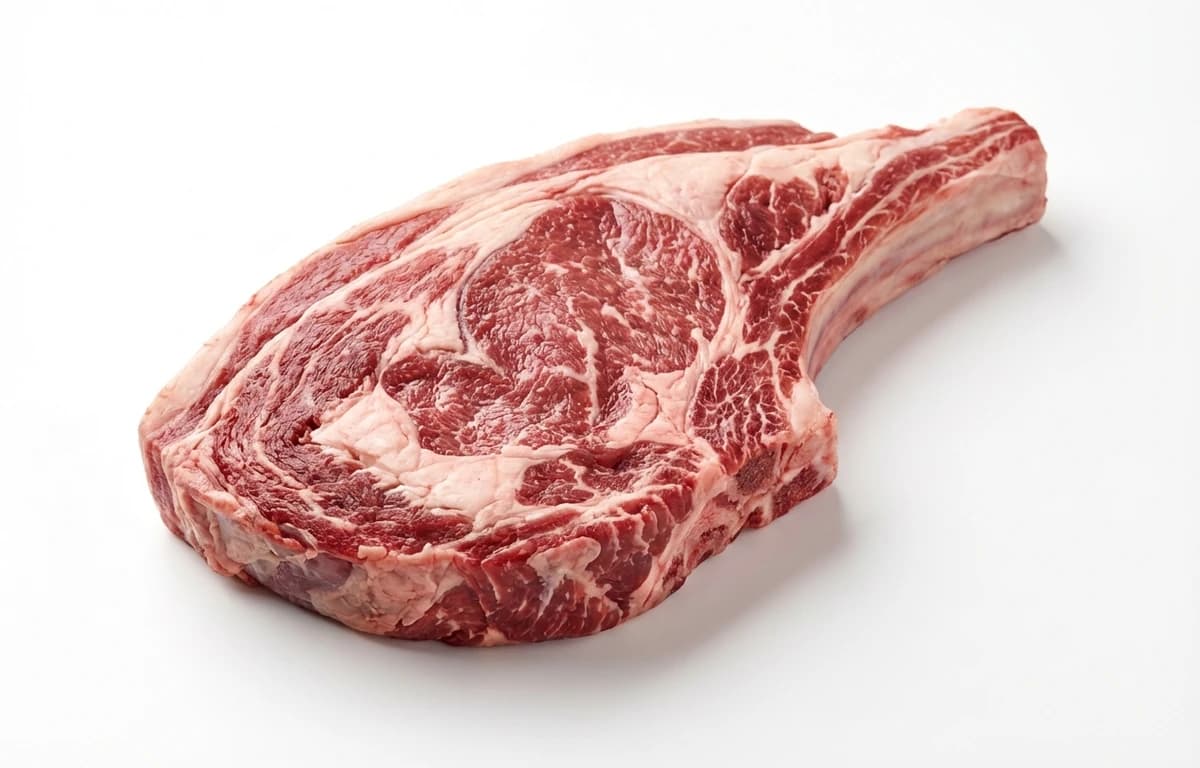
raw lamb shoulder is a versatile ingredient found in cuisines around the world. With 232 calories per 100g and 17.5 grams of protein, it's a nutritious addition to many dishes.
Explore more ingredients in the meat category with complete nutrition information.
View all meat →Discover 0 recipes featuring raw lamb shoulder with step-by-step instructions.
Browse recipes →No, lamb shoulder is generally considered a fattier cut compared to the leg or the loin. While this makes it more flavorful and ideal for slow cooking, those looking for lean protein may prefer to trim excess external fat before or after cooking.
Yes, but the results will differ. Lamb leg is leaner and cooks faster, whereas shoulder has more fat and connective tissue; if using leg in a slow-cook recipe intended for shoulder, the meat may turn out slightly drier.
Lamb shoulder is particularly rich in zinc, which is crucial for immune function and wound healing, and selenium, which acts as an antioxidant. It also provides heme iron, which the body absorbs more efficiently than the non-heme iron found in plants.