
Meat
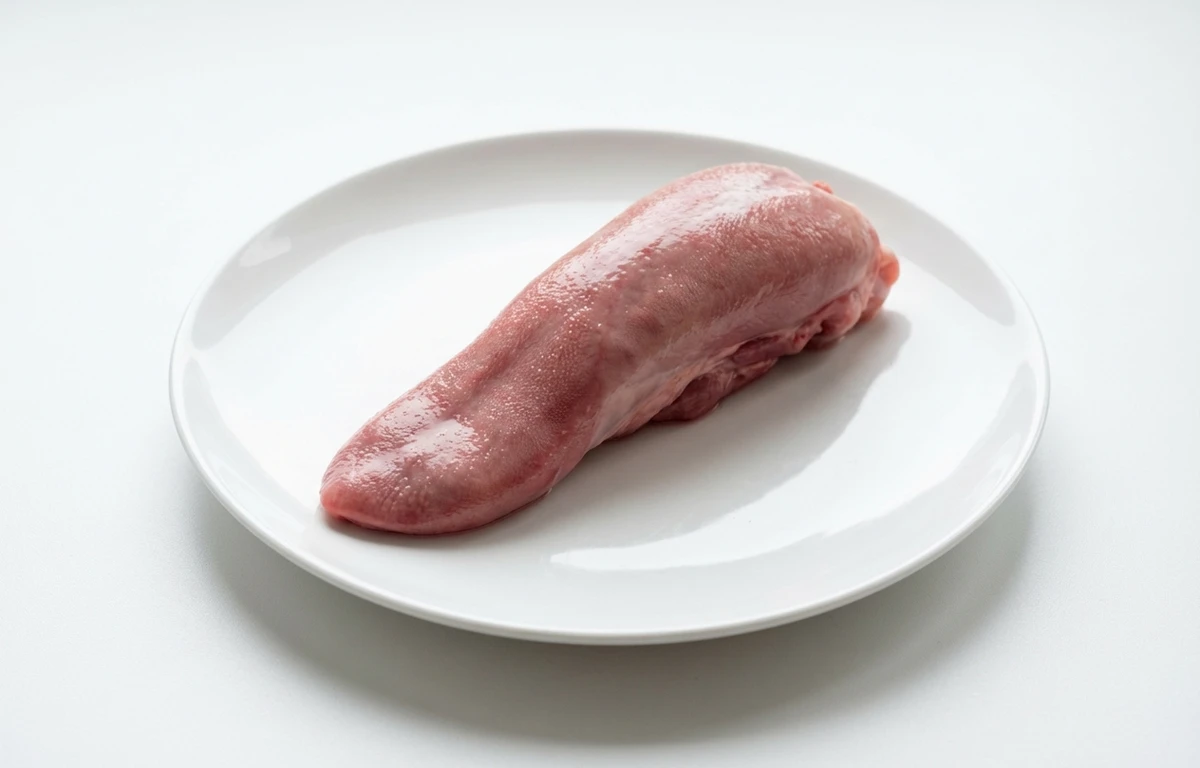
raw lamb tongue.
VegetarianVeganGluten-freeDairy-freeNut-freePeanut-freeSoy-freeEgg-freeShellfish-freeHoney-freeAlcohol-free
ALSO KNOWN AS
lamb tongue
SERVING
CALORIES
225
PROTEIN
14.3g
CARBS
0g
FAT
18.6g
FIBER
0g
NUTRITION PROFILE · per 100 g
Everything in this ingredient.
MACRONUTRIENTS
Calories225kcal—
Protein14.3g29%
Carbohydrates0g0%
Fiber0g0%
Sugar0g0%
Total fat18.6g24%
Saturated fat5.9g30%
Trans fat0.66g—
Cholesterol88mg29%
Water66.5g—
MINERALS
Sodium77mg3%
Potassium207mg4%
Calcium6.0mg0%
Iron1.3mg7%
Magnesium15mg4%
Phosphorus142mg11%
Zinc1.6mg14%
Copper0.15mg17%
Manganese0.02mg1%
Selenium5.4µg10%
VITAMINS
Vitamin A5.0µg1%
Vitamin C0mg0%
Vitamin D0.10µg1%
Vitamin E0.57mg4%
Thiamin (B1)0.10mg8%
Riboflavin (B2)0.29mg22%
Niacin (B3)3.1mg19%
Pantothenic acid (B5)0.44mg9%
Vitamin B60.10mg6%
Vitamin B126.1µg254%
%DV based on a 2,000 cal diet. Source: USDA FoodData Central. A dash in the %DV column means there’s no established Daily Value for that nutrient.
MEASUREMENT CONVERSIONS
How much is what.
1 cup150g
1 tablespoon9.4g
1 teaspoon3.1g
1 ml0.6g
1 liter625g
1 piece125g
HEALTH BENEFITS
Why eat it.
- ✓Excellent source of high-quality protein, essential for muscle repair and growth.
- ✓Rich in heme iron, a highly absorbable form that helps prevent iron-deficiency anemia.
- ✓High in Vitamin B12, which is crucial for nerve function and the formation of red blood cells.
- ✓Provides a significant amount of zinc, important for immune system function, wound healing, and cell growth.
COOKING TIPS
In the kitchen.
- 1Before cooking, thoroughly scrub the tongue under cold running water.
- 2Simmer or pressure cook the tongue in seasoned broth with aromatics like onion, garlic, and bay leaves for 1.5-2 hours, or until very tender.
- 3After simmering, immediately plunge the hot tongue into an ice bath. This makes the thick outer skin much easier to peel off.
- 4Once cooked and peeled, the tender meat can be sliced and pan-fried, grilled, or used in tacos, stews, and sandwiches.
STORAGE
Keep it fresh.
- Store raw lamb tongue in its original packaging or a sealed container in the coldest part of the refrigerator (below 40°F or 4°C) and use within 1-2 days.
- For long-term storage, wrap tightly in plastic wrap and then foil, or place in a freezer-safe bag, and freeze at 0°F (-18°C) for up to 4 months.
FAQ
Frequently asked questions.
Is lamb tongue healthy?
Yes, lamb tongue is a nutrient-dense organ meat that provides high-quality protein for muscle repair and growth. It is particularly rich in Vitamin B12, zinc, and heme iron, which are essential for nerve function, immunity, and preventing anemia.
How much protein and fat are in lamb tongue?
A 100g serving of raw lamb tongue contains approximately 14.27g of protein and 18.61g of fat. While it is a great source of protein, its higher fat content makes it more calorie-dense (225 calories per 100g) than leaner cuts of meat.
Is lamb tongue keto-friendly?
Yes, lamb tongue is excellent for keto and low-carb diets because it contains 0g of carbohydrates. Its high fat-to-protein ratio helps those on a ketogenic diet meet their daily fat macros while maintaining muscle mass.
What does lamb tongue taste like?
Lamb tongue has a mild, rich, and slightly gamey flavor that is more delicate than beef tongue. When slow-cooked, it develops a very tender, melt-in-your-mouth texture similar to a well-marbled pot roast.
How do you prepare and cook raw lamb tongue?
Raw lamb tongue should be simmered or braised in a flavorful liquid for 2 to 3 hours until tender. After cooking, the tough outer skin must be peeled off while the meat is still warm before it is sliced, grilled, or sautéed.
Do I need to peel lamb tongue?
Yes, the outer membrane of the tongue is thick and rubbery and must be removed. It is nearly impossible to peel when raw, so it is standard practice to boil the tongue first, which allows the skin to be easily pulled away.
Is lamb tongue good for iron deficiency?
Lamb tongue is an excellent source of heme iron, which is the most absorbable form of iron for the human body. Including it in your diet can help improve red blood cell formation and combat fatigue associated with anemia.
How long does raw lamb tongue last in the fridge?
Raw lamb tongue is highly perishable and should be stored in the coldest part of the refrigerator for no more than 1 to 2 days. For longer storage, wrap it tightly in plastic wrap and foil and freeze it for up to 4 months.
How do I know if raw lamb tongue has spoiled?
Fresh lamb tongue should have a pinkish-grey color and a neutral, clean smell. If it feels slimy to the touch, develops a sour or pungent odor, or shows grey or green discoloration, it has spoiled and should be discarded.
Is lamb tongue gluten-free?
In its raw, natural state, lamb tongue is 100% gluten-free. However, if you are buying pre-marinated tongue or ordering it at a restaurant, check the ingredients for soy sauce, flour-based thickeners, or cross-contamination.



















