
Fruit10 recipes
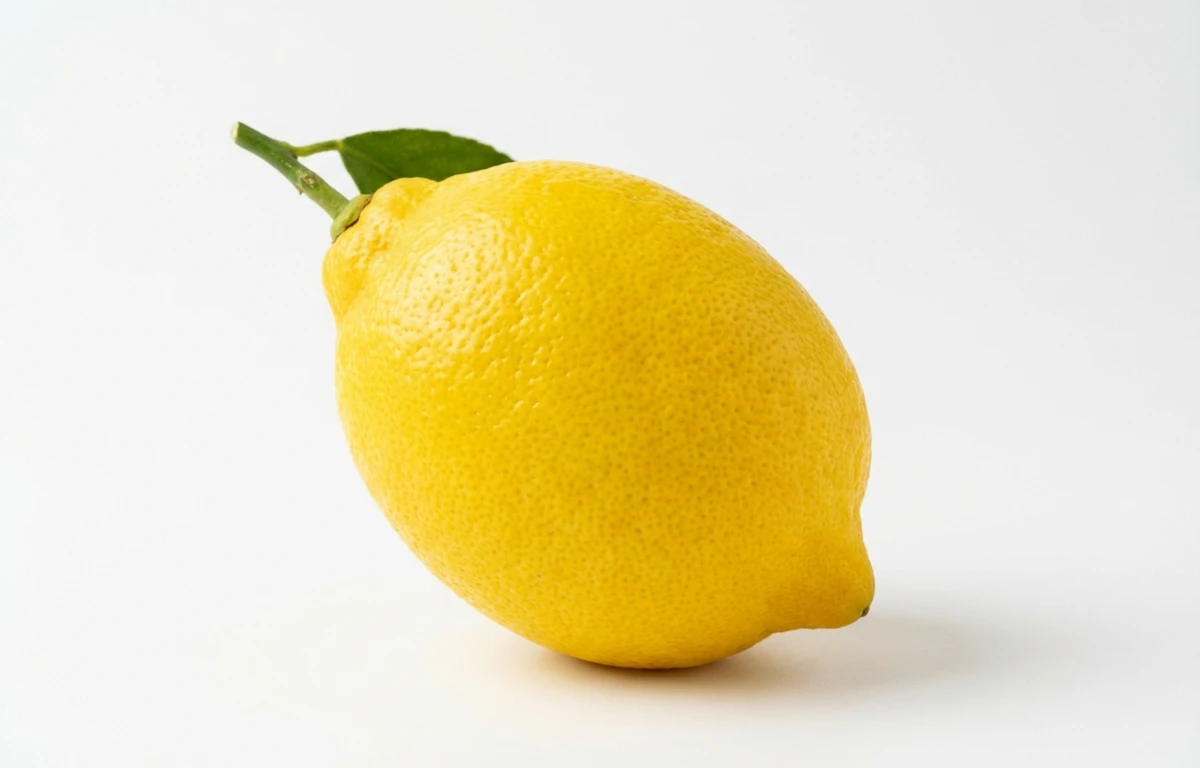
raw lemon.
VegetarianVeganGluten-freeDairy-freeNut-freePeanut-freeSoy-freeEgg-freeShellfish-freeHoney-freeAlcohol-free
SERVING
CALORIES
44
PROTEIN
1.1g
CARBS
9.3g
FAT
0.30g
FIBER
2.8g
NUTRITION PROFILE · per 100 g
Everything in this ingredient.
MACRONUTRIENTS
Calories44.4kcal—
Protein1.1g2%
Carbohydrates9.3g3%
Fiber2.8g10%
Sugar2.5g5%
Total fat0.30g0%
Saturated fat0.04g0%
Trans fat0g—
Cholesterol0mg0%
Water89g—
MINERALS
Sodium2.0mg0%
Potassium138mg3%
Calcium26mg2%
Iron0.60mg3%
Magnesium8.0mg2%
Phosphorus16mg1%
Zinc0.06mg1%
Copper0.04mg4%
Manganese0.03mg1%
Selenium0.40µg1%
VITAMINS
Vitamin A1.0µg0%
Vitamin C53mg59%
Vitamin D0µg0%
Vitamin E0.15mg1%
Vitamin K0µg0%
Thiamin (B1)0.04mg3%
Riboflavin (B2)0.02mg2%
Niacin (B3)0.10mg1%
Pantothenic acid (B5)0.19mg4%
Vitamin B60.08mg5%
Folate (B9)11µg3%
Vitamin B120µg0%
%DV based on a 2,000 cal diet. Source: USDA FoodData Central. A dash in the %DV column means there’s no established Daily Value for that nutrient.
MEASUREMENT CONVERSIONS
How much is what.
1 cup212g
1 tablespoon13.3g
1 teaspoon4.4g
1 ml0.9g
1 liter883.3g
1 piece84g
HEALTH BENEFITS
Why eat it.
- ✓Excellent source of Vitamin C, a powerful antioxidant that supports the immune system and skin health.
- ✓Contains citric acid, which may help prevent the formation of kidney stones by increasing urine volume and pH.
- ✓Rich in plant compounds called flavonoids, which have antioxidant and anti-inflammatory properties that may reduce the risk of heart disease.
- ✓Enhances the absorption of iron from plant-based foods, helping to prevent iron-deficiency anemia.
COOKING TIPS
In the kitchen.
- 1Roll the lemon firmly on a countertop before cutting to break down the internal membranes, making it easier to juice.
- 2Use the zest (the outer yellow peel) to add concentrated lemon flavor to baked goods, sauces, and marinades without adding extra acidity. Avoid the bitter white pith.
- 3A squeeze of fresh lemon juice can brighten the flavors of savory dishes like fish, chicken, and vegetables, and can prevent cut fruits like apples and avocados from browning.
- 4To temper the harsh acidity for dressings or drinks, you can briefly grill or roast lemon halves to caramelize their sugars and mellow the flavor.
STORAGE
Keep it fresh.
- Store whole lemons at room temperature away from direct sunlight for up to one week.
- For longer preservation, place lemons in a sealed plastic bag in the refrigerator's crisper drawer, where they can last for 3-4 weeks.
- Cut lemons should be wrapped tightly in plastic wrap or stored in an airtight container in the refrigerator for up to 4 days.
FAQ
Frequently asked questions.
Is raw lemon healthy?
Yes, raw lemons are highly nutritious, providing an excellent source of Vitamin C and antioxidants. They support immune function, skin health, and contain citric acid which may help prevent kidney stones by increasing urine pH.
How many calories and carbs are in a lemon?
Raw lemons are very low in calories, containing approximately 29 calories per 100g. They have about 9.32g of carbohydrates and negligible amounts of protein (1.1g) and fat (0.3g), making them a light addition to many diets.
Is lemon keto-friendly?
Yes, lemons are keto-friendly because they are low in net carbs. A typical squeeze of lemon juice adds very few carbohydrates to a meal or drink, making it a popular flavor enhancer for those on a ketogenic or low-carb diet.
Does lemon help with iron absorption?
Yes, the high Vitamin C content in lemons significantly enhances the absorption of non-heme iron from plant-based foods like spinach or lentils. Adding a squeeze of lemon to your meals can help prevent iron-deficiency anemia.
Can you eat the lemon peel?
Yes, lemon peel is edible and contains high concentrations of antioxidants and essential oils. The outer layer, or zest, is commonly used in baking and cooking to add intense citrus flavor, though the fruit should be washed thoroughly first.
How do you store lemons to keep them fresh?
Lemons stay fresh at room temperature for about a week. For longer storage, keep them in a sealed plastic bag in the refrigerator crisper drawer, where they can remain juicy and firm for up to a month.
How do you get the most juice out of a lemon?
To maximize juice yield, roll the lemon firmly on a counter under your palm before cutting it to break the internal membranes. You can also microwave the lemon for 10-20 seconds to soften it before squeezing.
How can you tell if a lemon has gone bad?
A spoiled lemon will feel soft, mushy, or develop visible mold on the skin. It may also lose its bright yellow color, develop dark spots, or have a fermented, off-putting smell instead of a fresh citrus scent.
Is lemon juice a good substitute for vinegar?
Yes, lemon juice can often substitute for vinegar in salad dressings and marinades because of its high acidity. It provides a similar bright, tart flavor profile while adding a distinct citrus note and a boost of Vitamin C.
Can diabetics eat lemons?
Yes, lemons are excellent for diabetics as they have a low glycemic index and minimal impact on blood sugar levels. The soluble fiber and antioxidants in lemons may also provide additional metabolic health benefits.
RECIPES
Cook with raw lemon.
10 recipes · sorted by what’s quick



















