
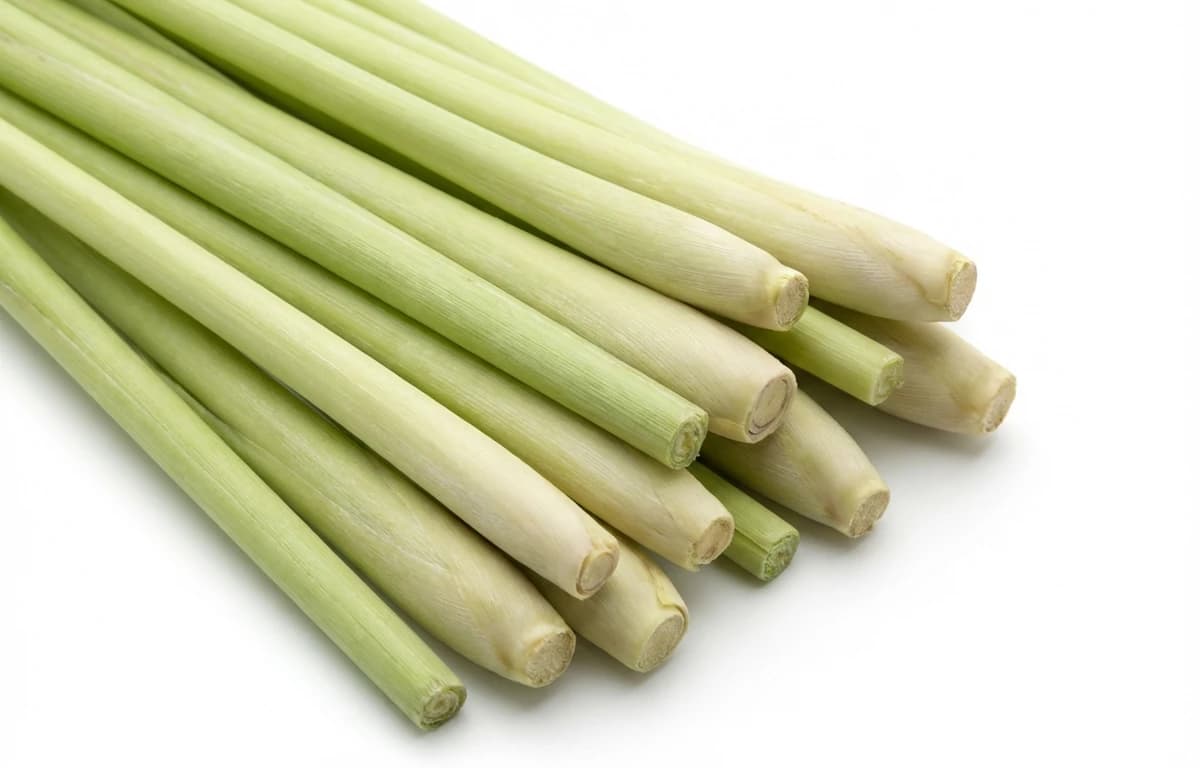
raw lemongrass
Also known as:
Loading...
Also known as:
Per 100g
Nutrition data source: USDA FoodData Central
Common measurement equivalents in grams
Yes, lemongrass is highly nutritious and rich in antioxidants like chlorogenic acid and isoorientin, which help neutralize free radicals. It also contains citral, a compound with potent anti-inflammatory and antimicrobial properties that support overall wellness.
Per 100g, raw lemongrass contains approximately 99 calories, 1.82g of protein, 25.31g of carbohydrates, and 0.49g of fat. While it is higher in carbs than some leafy herbs, it is typically consumed in small quantities as a flavoring agent.
Yes, lemongrass is considered keto-friendly. Although it contains 25.31g of carbs per 100g, the amount actually consumed in a single serving of soup or curry is very small, making its impact on daily carb counts negligible.
Yes, lemongrass is a natural plant-based herb and is both vegan and gluten-free. It is an excellent aromatic for adding depth to dishes without the need for animal products or gluten-containing additives.
Trim off the woody top and the very bottom of the stalk. Peel away the tough, fibrous outer layers until you reach the pale, tender inner core, which can then be finely minced or bruised to release its aromatic oils.
Lemongrass has a bright, citrusy flavor with a floral aroma, often described as a blend of lemon and ginger with a hint of mint. Unlike lemon juice, it provides a citrus note without the sharp acidity or sourness.
While edible, raw lemongrass is extremely fibrous and difficult to chew. If using it raw in salads, only use the very tender inner core and mince it as finely as possible; otherwise, it is best used for steeping in teas or broths.
raw lemongrass is a versatile ingredient found in cuisines around the world. With 99 calories per 100g and 1.82 grams of protein, it's a nutritious addition to many dishes.
Explore more ingredients in the herb category with complete nutrition information.
View all herb →Discover 0 recipes featuring raw lemongrass with step-by-step instructions.
Browse recipes →Wrap fresh stalks tightly in plastic wrap and store them in the refrigerator crisper drawer for up to 3 weeks. For long-term storage, lemongrass can be frozen whole or minced in an airtight container for up to 6 months.
Fresh lemongrass should be firm, heavy, and have a fragrant citrus scent when scratched. If the stalks are dry, brittle, brown, or have no aroma, they are likely past their prime and will have lost most of their flavor.
Yes, lemongrass is traditionally used to promote digestion and soothe stomach discomfort. It acts as a natural diuretic and contains compounds that can help reduce bloating and flush toxins from the body.