
Loading...
Per 100g
Nutrition data source: USDA FoodData Central
Common measurement equivalents in grams
Yes, brown rice is a whole grain that retains its bran and germ layers, providing significantly more fiber, vitamins, and minerals than white rice. It has a lower glycemic index, which helps in better blood sugar management and provides more sustained energy throughout the day.
Brown rice can be very effective for weight management because it is high in dietary fiber, which promotes satiety and helps you feel full for longer. While it contains 367 calories per 100g, its ability to prevent overeating makes it a staple in many weight-loss diets.
Yes, all natural varieties of rice, including long grain brown rice, are naturally gluten-free. This makes it an excellent carbohydrate source for individuals with celiac disease or non-celiac gluten sensitivity.
No, brown rice is not considered keto-friendly. With approximately 76.2g of carbohydrates per 100g, it is too high in carbs for a standard ketogenic diet, which typically limits daily carb intake to under 50 grams.
Combine 1 cup of rice with 2 to 2.5 cups of water or broth in a pot. Bring to a boil, then reduce heat to low, cover tightly, and simmer for 40-50 minutes until the liquid is absorbed. Let it stand covered for 5 minutes before fluffing with a fork.
Long grain brown rice has a distinct nutty flavor and a firm, slightly chewy texture. Unlike short grain rice, the long grains remain separate and fluffy after cooking, making it ideal for pilafs, salads, and side dishes.
Brown rice takes longer to cook because the outer bran and germ layers are still intact. These fibrous layers act as a protective barrier, requiring more time and heat for water to penetrate and soften the starchy endosperm inside.
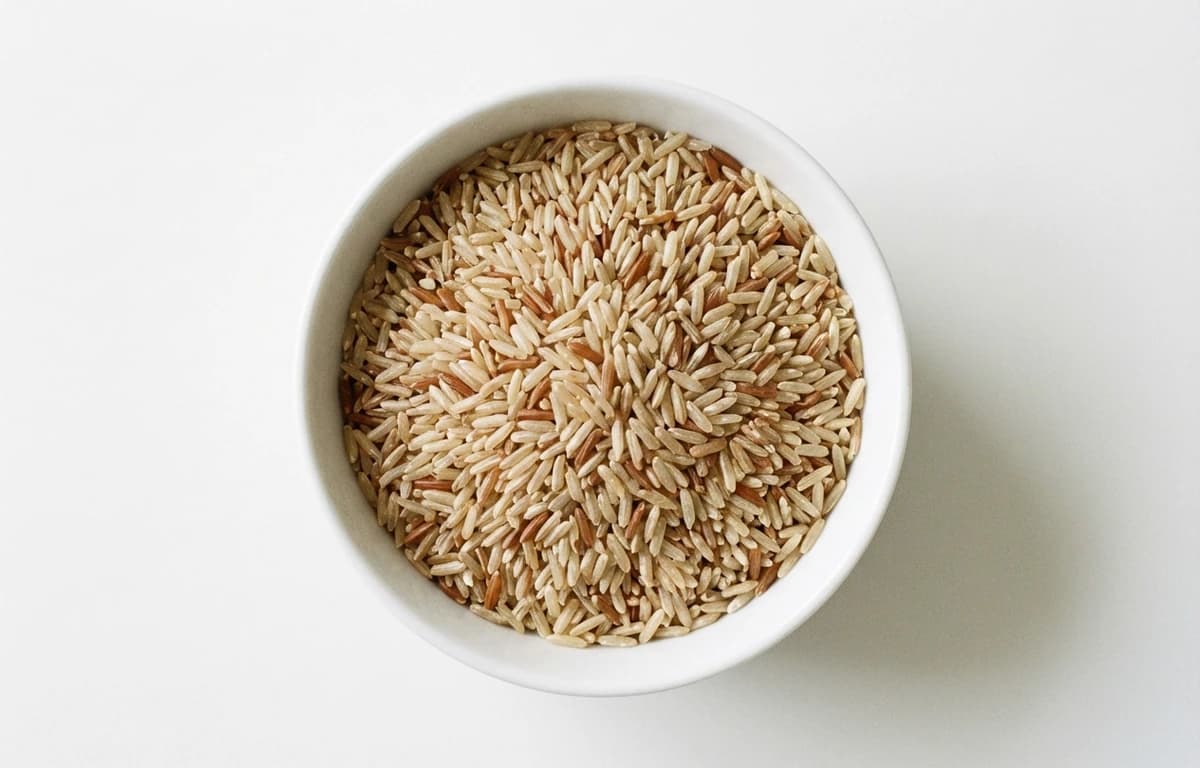
raw long grain brown rice is a versatile ingredient found in cuisines around the world. With 367 calories per 100g and 7.5 grams of protein, it's a nutritious addition to many dishes.
Explore more ingredients in the grain category with complete nutrition information.
View all grain →Discover 0 recipes featuring raw long grain brown rice with step-by-step instructions.
Browse recipes →Store raw brown rice in an airtight container in a cool, dry place for up to 6 months. Because it contains natural oils in the bran layer that can go rancid, it has a shorter shelf life than white rice; you can extend its freshness by storing it in the refrigerator or freezer.
The most common sign of spoilage is a rancid or oily smell, caused by the natural fats in the bran oxidizing. You should also check for signs of moisture, mold, or small pantry pests like weevils before cooking.
Brown rice is rich in fiber for digestive health and contains essential minerals like manganese and magnesium for bone and nerve function. Additionally, the phytonutrients in its bran layer may help lower LDL cholesterol and support overall heart health.