
Seafood
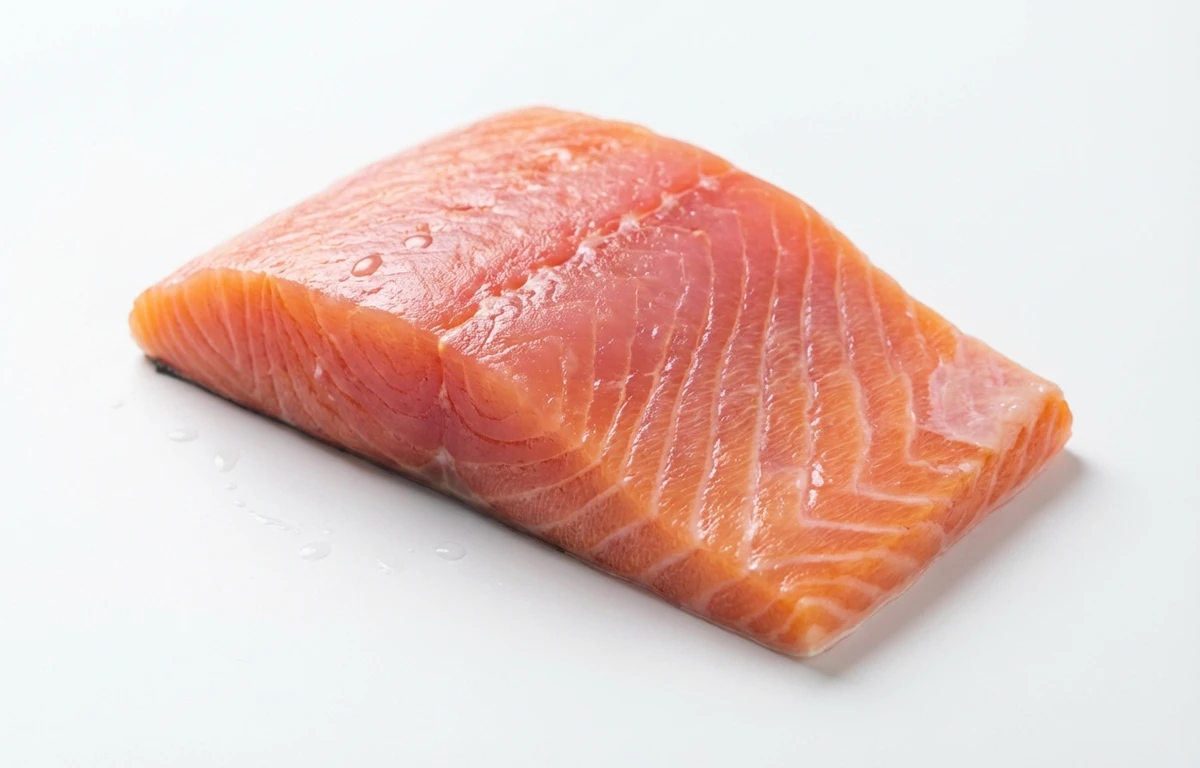
raw mahimahi.
VegetarianVeganGluten-freeDairy-freeNut-freePeanut-freeSoy-freeEgg-freeShellfish-freeHoney-freeAlcohol-free
ALSO KNOWN AS
mahimahidolphin fish
SERVING
CALORIES
85
PROTEIN
18.5g
CARBS
0g
FAT
0.70g
FIBER
0g
NUTRITION PROFILE · per 100 g
Everything in this ingredient.
MACRONUTRIENTS
Calories85kcal—
Protein18.5g37%
Carbohydrates0g0%
Fiber0g0%
Sugar0g0%
Total fat0.70g1%
Saturated fat0.20g1%
Trans fat0g—
Cholesterol73mg24%
Water79.5g—
MINERALS
Sodium88mg4%
Potassium416mg9%
Calcium15mg1%
Iron1.1mg6%
Magnesium30mg7%
Phosphorus202mg16%
Zinc0.40mg4%
Copper0.04mg4%
Manganese0.01mg0%
Selenium36.5µg66%
VITAMINS
Vitamin A54µg6%
Vitamin C0mg0%
Vitamin D0µg0%
Vitamin E0.90mg6%
Vitamin K0.10µg0%
Thiamin (B1)0.02mg2%
Riboflavin (B2)0.07mg5%
Niacin (B3)6.1mg38%
Pantothenic acid (B5)0.75mg15%
Vitamin B60.40mg24%
Folate (B9)5.0µg1%
Vitamin B120.60µg25%
%DV based on a 2,000 cal diet. Source: USDA FoodData Central. A dash in the %DV column means there’s no established Daily Value for that nutrient.
MEASUREMENT CONVERSIONS
How much is what.
1 oz28.4g
1 lb453.6g
1 piece170g
HEALTH BENEFITS
Why eat it.
- ✓Excellent source of lean protein, crucial for muscle building and repair.
- ✓Rich in selenium, a powerful antioxidant that supports immune function and thyroid health.
- ✓Provides essential B vitamins, including Niacin (B3) and B12, which are vital for energy production and nervous system health.
- ✓Contains omega-3 fatty acids, which contribute to heart health by reducing inflammation and improving cholesterol levels.
COOKING TIPS
In the kitchen.
- 1Mahimahi has a firm texture and mild, sweet flavor, making it versatile for grilling, broiling, baking, or pan-searing.
- 2To prevent drying out, cook until the internal temperature reaches 145°F (63°C); the flesh should be opaque and flake easily with a fork.
- 3Marinate for 15-30 minutes in citrus, herbs, or soy-based sauces to enhance flavor and moisture before cooking.
- 4Because of its firm flesh, it holds together well, making it an excellent choice for fish tacos, sandwiches, and kebabs.
STORAGE
Keep it fresh.
- Store fresh mahimahi in the coldest part of your refrigerator (at or below 40°F / 4°C) and use within 1-2 days.
- For freezing, pat the fish dry, wrap it tightly in plastic wrap and then aluminum foil or place it in a freezer-safe bag, and store at 0°F (-18°C) for up to 3 months for best quality.
FAQ
Frequently asked questions.
Is mahi-mahi healthy?
Yes, mahi-mahi is a very healthy, lean protein source. It is low in calories and fat while being rich in selenium, B vitamins, and heart-healthy omega-3 fatty acids, which support immune function and energy production.
How much protein is in mahi-mahi?
Mahi-mahi is an excellent source of protein, providing approximately 18.5 grams per 100-gram serving. This high protein-to-calorie ratio makes it ideal for muscle building and weight management.
Is mahi-mahi keto-friendly?
Yes, mahi-mahi is highly keto-friendly as it contains zero carbohydrates. While it is very low in fat, it can be easily incorporated into a ketogenic diet by preparing it with healthy fats like butter, olive oil, or avocado.
Can you eat mahi-mahi raw?
Mahi-mahi can be eaten raw in dishes like ceviche, poke, or sushi, but it must be 'sushi-grade' to ensure safety. It should be commercially frozen at specific temperatures beforehand to kill any potential parasites.
What does mahi-mahi taste like?
Mahi-mahi has a mild, slightly sweet flavor and a firm, lean texture. It is less 'fishy' than darker oily fish, making it a popular choice for those who prefer a subtler seafood taste.
How long does raw mahi-mahi last in the fridge?
Raw mahi-mahi should be stored in the coldest part of your refrigerator and consumed within 1 to 2 days of purchase. Always keep it tightly wrapped or in an airtight container to maintain freshness.
Can I freeze raw mahi-mahi?
Yes, mahi-mahi freezes very well. Wrap the fillets tightly in plastic wrap or vacuum-seal them to prevent freezer burn; they will maintain high quality for up to 3 months in the freezer.
Is mahi-mahi high in mercury?
Mahi-mahi contains moderate levels of mercury, similar to canned light tuna. It is generally considered safe to eat 2-3 times per week for most adults, though pregnant women should monitor their intake.
How do you know if mahi-mahi has gone bad?
Fresh mahi-mahi should have a clean, neutral scent; a strong 'fishy' or ammonia-like odor indicates spoilage. The flesh should be firm and moist, not slimy or dull in color.
What is the best way to cook mahi-mahi?
Because it is lean, mahi-mahi is best cooked quickly using high-heat methods like grilling, pan-searing, or broiling. It is done when the flesh becomes opaque and flakes easily with a fork, reaching an internal temperature of 145°F (63°C).



















