
Meat
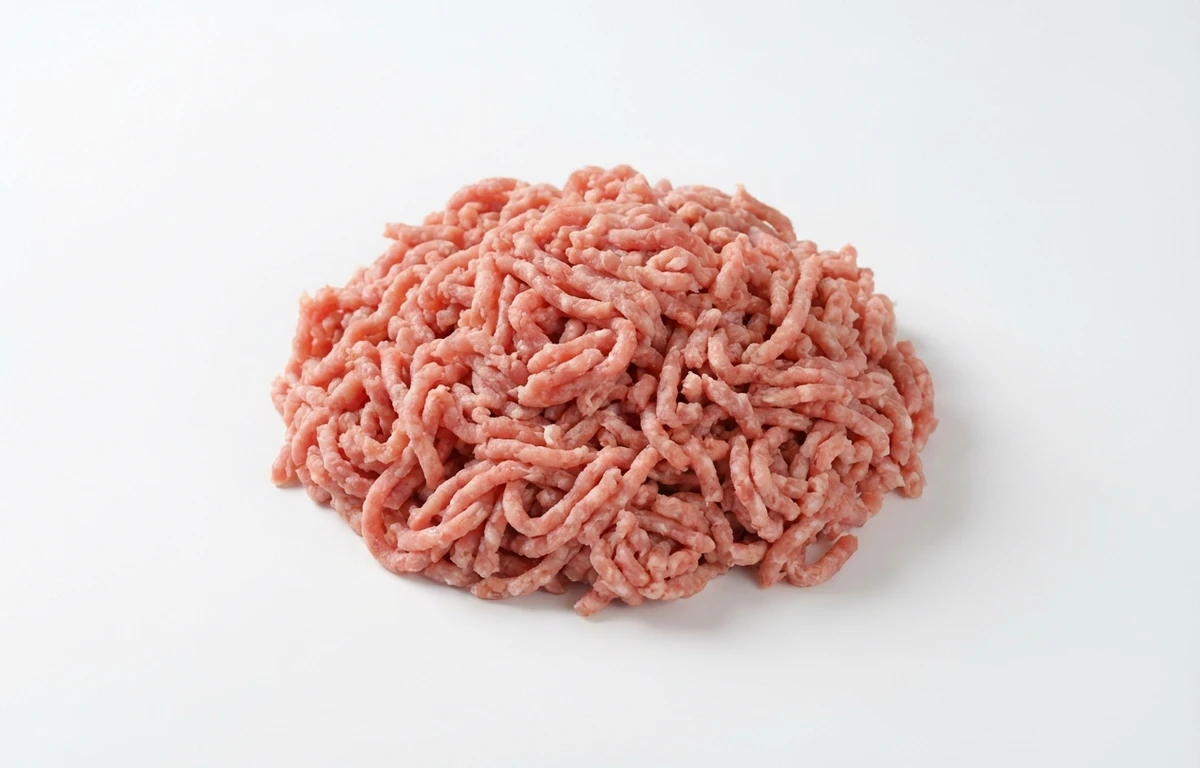
raw mechanically separated lamb.
VegetarianVeganGluten-freeDairy-freeNut-freePeanut-freeSoy-freeEgg-freeShellfish-freeHoney-freeAlcohol-free
ALSO KNOWN AS
mechanically separated lamb
SERVING
CALORIES
285
PROTEIN
14.5g
CARBS
0g
FAT
25g
FIBER
0g
NUTRITION PROFILE · per 100 g
Everything in this ingredient.
MACRONUTRIENTS
Calories285kcal—
Protein14.5g29%
Carbohydrates0g0%
Fiber0g0%
Sugar0g0%
Total fat25g32%
Saturated fat11.8g59%
Trans fat1.2g—
Cholesterol95mg32%
Water59.5g—
MINERALS
Sodium85mg4%
Potassium210mg4%
Calcium120mg9%
Iron1.9mg11%
Magnesium18mg4%
Phosphorus165mg13%
Zinc3.8mg35%
Copper0.10mg11%
Manganese0.02mg1%
Selenium18.5µg34%
VITAMINS
Vitamin A0µg0%
Vitamin C0mg0%
Vitamin D0.10µg1%
Vitamin E0.20mg1%
Vitamin K0µg0%
Thiamin (B1)0.08mg7%
Riboflavin (B2)0.18mg14%
Niacin (B3)4.2mg26%
Pantothenic acid (B5)0.50mg10%
Vitamin B60.12mg7%
Folate (B9)15µg4%
Vitamin B122.1µg88%
%DV based on a 2,000 cal diet. Source: USDA FoodData Central. A dash in the %DV column means there’s no established Daily Value for that nutrient.
MEASUREMENT CONVERSIONS
How much is what.
1 cup211g
1 tablespoon13g
1 teaspoon4.3g
1 ml0.9g
1 liter866.7g
HEALTH BENEFITS
Why eat it.
- ✓Excellent source of complete protein, essential for muscle building and repair.
- ✓Rich in heme iron, which is highly bioavailable and helps prevent anemia.
- ✓High in Vitamin B12, crucial for nerve function and the formation of red blood cells.
- ✓Good source of zinc, which supports immune function and wound healing.
COOKING TIPS
In the kitchen.
- 1Due to its paste-like consistency, it is best suited for processed products like sausages, hot dogs, pâtés, or as a filler in meat sauces and patties.
- 2Always cook thoroughly to a minimum internal temperature of 160°F (71°C) to ensure food safety and kill potential pathogens.
- 3Combine with binders like breadcrumbs or egg, as its texture may not hold shape well on its own.
- 4Season generously, as the flavor profile might be milder than traditional ground lamb.
STORAGE
Keep it fresh.
- Store in the coldest part of the refrigerator at 40°F (4°C) or below and use within 1-2 days.
- For long-term storage, freeze at 0°F (-18°C) in an airtight, freezer-safe package for up to 3 months for best quality.
FAQ
Frequently asked questions.
What is mechanically separated lamb?
Mechanically separated lamb is a paste-like meat product produced by forcing lamb bones with attached edible meat through a sieve under high pressure. This process separates the bone from the meat tissue, resulting in a finely textured product often used in processed meats like sausages, patties, or nuggets.
Is mechanically separated lamb healthy?
It is a good source of complete protein, Vitamin B12, and heme iron, which are essential for muscle repair and preventing anemia. However, it is relatively high in fat (25g per 100g) and calories, so it should be consumed in moderation as part of a balanced diet.
How much protein is in raw mechanically separated lamb?
Every 100g of raw mechanically separated lamb contains approximately 14.5g of protein. While this is lower than whole muscle cuts of lamb, it still provides all essential amino acids necessary for body function.
Is mechanically separated lamb keto-friendly?
Yes, it is highly keto-friendly as it contains 0g of carbohydrates and a high fat content of 25g per 100g. This macronutrient profile makes it an ideal energy source for those following a strict low-carb or ketogenic diet.
Is mechanically separated lamb gluten-free?
In its raw, pure form, mechanically separated lamb is naturally gluten-free. However, because it is frequently used as a base for processed items like meatballs or sausages, you should always check the ingredient label for added grain-based fillers or binders.
How do you cook mechanically separated lamb?
Due to its fine, paste-like texture, it is best used as an ingredient in sausages, meatloaves, or blended burger patties. It should always be cooked to a minimum internal temperature of 160°F (71°C) to ensure food safety, as the mechanical process increases the surface area for potential bacterial growth.
How should you store raw mechanically separated lamb?
It should be kept in its original airtight packaging in the coldest part of the refrigerator at or below 40°F (4°C). Because it is more processed than whole cuts, it is highly perishable and should be used within 1 to 2 days of purchase.
Can you freeze mechanically separated lamb?
Yes, it can be frozen for long-term storage. Wrap it tightly in freezer-safe plastic or foil to prevent freezer burn; for the best quality and flavor, it should be consumed within 2 to 3 months of freezing.
What are the primary micronutrients in this meat?
It is particularly rich in Vitamin B12, which is crucial for nerve function, and zinc, which supports the immune system. It also contains highly bioavailable heme iron, which the body absorbs more efficiently than iron from plant sources.
How can you tell if mechanically separated lamb has spoiled?
Signs of spoilage include a sour or off-putting odor, a slimy or sticky surface texture, and a color shift toward grey or green. If the meat exhibits any of these characteristics or has been left at room temperature for over two hours, it should be discarded immediately.



















