
Meat
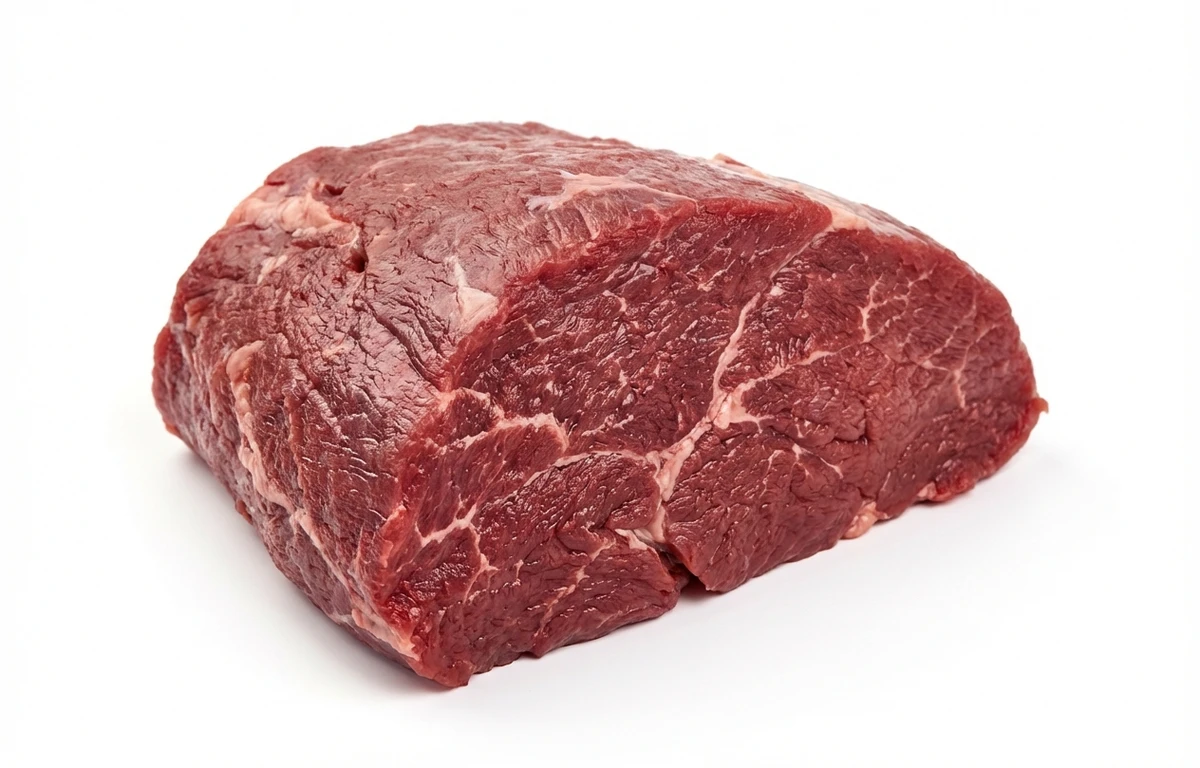
raw moose meat.
VegetarianVeganGluten-freeDairy-freeNut-freePeanut-freeSoy-freeEgg-freeShellfish-freeHoney-freeAlcohol-freeKosher
ALSO KNOWN AS
moose meat
SERVING
CALORIES
103
PROTEIN
22.3g
CARBS
0g
FAT
1.5g
FIBER
0g
NUTRITION PROFILE · per 100 g
Everything in this ingredient.
MACRONUTRIENTS
Calories103kcal—
Protein22.3g45%
Carbohydrates0g0%
Fiber0g0%
Sugar0g0%
Total fat1.5g2%
Saturated fat0.22g1%
Cholesterol54mg18%
Water74.8g—
MINERALS
Sodium65mg3%
Potassium317mg7%
Calcium5.0mg0%
Iron3.3mg18%
Magnesium23mg5%
Phosphorus165mg13%
Zinc2.8mg25%
Copper0.07mg8%
Manganese0.01mg0%
VITAMINS
Vitamin A0µg0%
Vitamin C4.0mg4%
Thiamin (B1)0.07mg6%
Riboflavin (B2)0.24mg18%
Niacin (B3)5.0mg31%
Vitamin B60.40mg24%
%DV based on a 2,000 cal diet. Source: USDA FoodData Central. A dash in the %DV column means there’s no established Daily Value for that nutrient.
MEASUREMENT CONVERSIONS
How much is what.
1 cup150g
1 oz28.4g
1 lb453.6g
1 piece120g
HEALTH BENEFITS
Why eat it.
- ✓Excellent source of lean protein, crucial for muscle repair, growth, and satiety.
- ✓Extremely rich in B vitamins, especially B12 for nerve function and B3 (niacin) for energy metabolism.
- ✓High in essential minerals like iron for oxygen transport, zinc for immune support, and selenium for antioxidant defense.
- ✓Significantly lower in fat and calories compared to commercially raised beef, making it a heart-healthier red meat option.
COOKING TIPS
In the kitchen.
- 1Due to its leanness, avoid overcooking moose meat as it can become dry and tough. Cook steaks and tenderloins to medium-rare.
- 2Utilize slow, moist-heat cooking methods like braising, stewing, or slow-cooking for tougher cuts to break down connective tissue and ensure tenderness.
- 3Marinating the meat for at least 4-6 hours can help add moisture and flavor, and tenderize the muscle fibers.
- 4When making ground moose burgers or meatballs, consider adding a small amount of beef or pork fat to improve moisture and prevent them from drying out.
STORAGE
Keep it fresh.
- Refrigerate fresh, raw moose meat at 40°F (4°C) or below and use within 3-5 days.
- For long-term storage, wrap tightly in freezer-safe packaging or vacuum-seal and freeze at 0°F (-18°C) for up to 12 months for best quality.
FAQ
Frequently asked questions.
Is moose meat healthy?
Yes, moose meat is an exceptionally healthy lean protein. It is low in calories and fat while being rich in essential nutrients like iron, zinc, and B vitamins, which support immune function and energy metabolism.
How much protein is in moose meat?
Moose meat is very high in protein, providing approximately 22.3 grams per 100-gram serving. This makes it an excellent choice for muscle repair, growth, and maintaining satiety throughout the day.
Is moose meat leaner than beef?
Yes, moose meat is significantly leaner than most commercially raised beef. With only about 1.5 grams of fat per 100 grams, it offers a heart-healthy red meat alternative with fewer calories and less saturated fat.
Is moose meat keto-friendly?
Absolutely. Moose meat contains 0 grams of carbohydrates, making it an ideal protein source for ketogenic and low-carb diets. Its high protein-to-fat ratio is excellent for those tracking specific macronutrients.
Is moose meat gluten-free?
Raw moose meat is naturally gluten-free. However, if you are purchasing processed moose products like sausages or jerky, always check the label for fillers or seasonings that might contain gluten.
What does moose meat taste like?
Moose meat has a flavor profile similar to beef but is typically richer and slightly more intense. Because it is wild-harvested and very lean, it lacks the fatty aftertaste of grain-fed beef and has a dense, hearty texture.
How should I cook moose meat to keep it tender?
Because it is so lean, moose meat can become tough if overcooked. It is best prepared using 'low and slow' methods like braising for tougher cuts, or quickly searing steaks to medium-rare to retain moisture.
How long can I store moose meat in the freezer?
When properly vacuum-sealed, moose meat can last 6 to 12 months in the freezer without significant loss of quality. Ensure it is wrapped tightly to prevent freezer burn, which can ruin the texture of the lean meat.
Can I eat moose meat rare?
While many prefer moose steaks medium-rare for texture, health experts generally recommend cooking wild game to an internal temperature of 160°F (71°C). This ensures any potential parasites or bacteria common in wild animals are eliminated.
How can I tell if raw moose meat has gone bad?
Fresh moose meat should be a deep, dark red color. If the meat develops a grey or greenish tint, a slimy texture, or a sour, off-putting odor, it has likely spoiled and should be discarded immediately.



















