
Legume
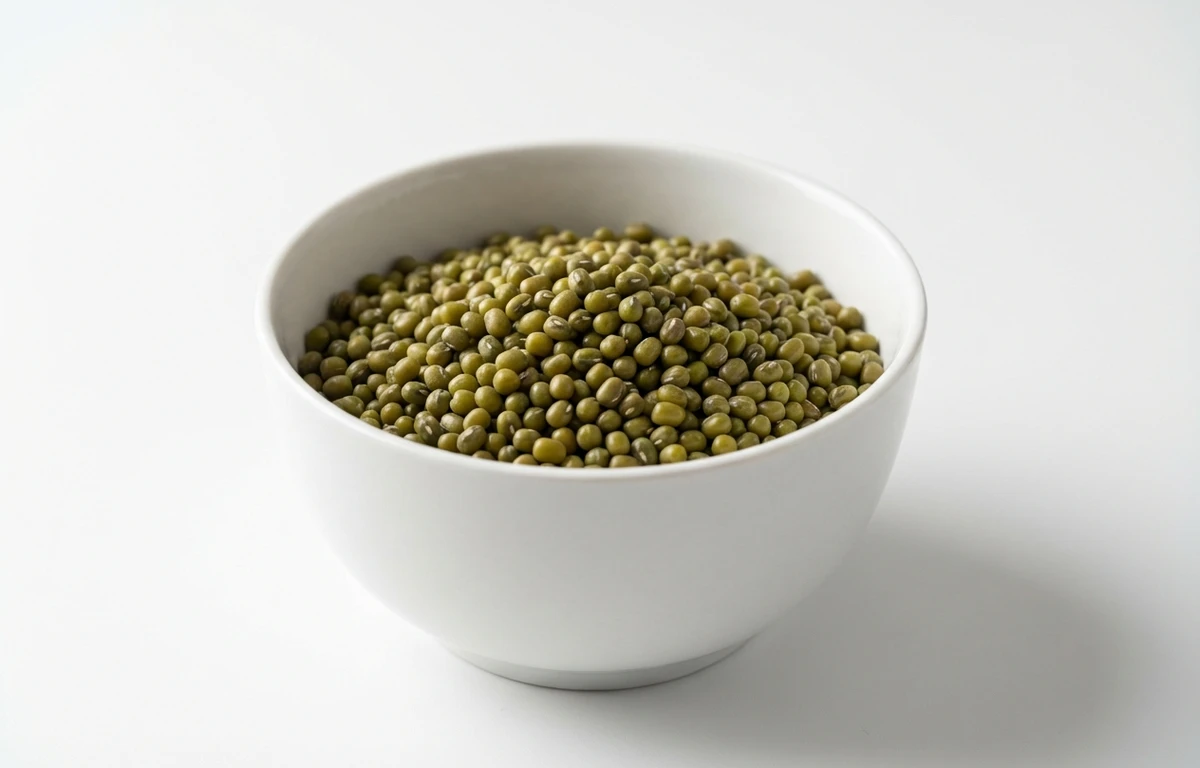
raw mungo beans.
VegetarianVeganGluten-freeDairy-freeNut-freePeanut-freeSoy-freeEgg-freeShellfish-freeHoney-freeAlcohol-free
ALSO KNOWN AS
mungo beans
SERVING
CALORIES
347
PROTEIN
23.9g
CARBS
62.6g
FAT
1.1g
FIBER
16.3g
NUTRITION PROFILE · per 100 g
Everything in this ingredient.
MACRONUTRIENTS
Calories347kcal—
Protein23.9g48%
Carbohydrates62.6g23%
Fiber16.3g58%
Sugar6.6g13%
Total fat1.1g1%
Saturated fat0.35g2%
Trans fat0g—
Cholesterol0mg0%
Water9.1g—
MINERALS
Sodium15mg1%
Potassium1246mg27%
Calcium132mg10%
Iron6.7mg37%
Magnesium189mg45%
Phosphorus367mg29%
Zinc2.7mg24%
Copper0.94mg104%
Manganese1.0mg45%
Selenium8.2µg15%
VITAMINS
Vitamin A6.0µg1%
Vitamin C4.8mg5%
Vitamin D0µg0%
Vitamin E0.51mg3%
Vitamin K9.0µg8%
Thiamin (B1)0.62mg52%
Riboflavin (B2)0.23mg18%
Niacin (B3)2.3mg14%
Pantothenic acid (B5)1.9mg38%
Vitamin B60.38mg22%
Folate (B9)625µg156%
Vitamin B120µg0%
%DV based on a 2,000 cal diet. Source: USDA FoodData Central. A dash in the %DV column means there’s no established Daily Value for that nutrient.
MEASUREMENT CONVERSIONS
How much is what.
1 cup207g
1 tablespoon12.9g
1 teaspoon4.3g
1 ml0.9g
1 liter862.5g
HEALTH BENEFITS
Why eat it.
- ✓Rich in essential nutrients like folate, manganese, magnesium, and B vitamins.
- ✓High in dietary fiber and resistant starch, which aids digestion and promotes gut health.
- ✓Contains antioxidants such as flavonoids and vitexin, which may help protect against chronic diseases.
- ✓May help lower LDL ('bad') cholesterol levels and blood pressure, supporting heart health.
- ✓Has a low glycemic index, which can help regulate blood sugar levels.
COOKING TIPS
In the kitchen.
- 1Rinse beans thoroughly under cold water before cooking to remove any dust or debris.
- 2Soaking for 4-6 hours or overnight is optional but can reduce cooking time and make them easier to digest.
- 3To cook, use a ratio of 1 part beans to 3 parts water. Bring to a boil, then reduce heat and simmer for 25-40 minutes, or until tender.
- 4Mungo beans can be easily sprouted at home for a crunchy addition to salads and sandwiches by soaking them and keeping them moist for 2-4 days.
STORAGE
Keep it fresh.
- Store dry mungo beans in an airtight container in a cool, dark, and dry place, such as a pantry, for up to a year.
- Once cooked, store mungo beans in a sealed container in the refrigerator and consume within 3-5 days.
FAQ
Frequently asked questions.
Are mungo beans healthy?
Yes, mungo beans are highly nutritious, offering significant amounts of folate, manganese, and magnesium. They are rich in antioxidants like vitexin and isovitexin, which help protect against chronic diseases and oxidative stress.
How much protein is in mungo beans?
Raw mungo beans are an excellent plant-based protein source, containing approximately 23.86g of protein per 100g. This makes them a popular choice for vegetarians and vegans looking to meet their daily protein requirements.
Are mungo beans good for weight loss?
Yes, they are beneficial for weight loss due to their high fiber and protein content. These nutrients increase satiety and help you feel full for longer, which can reduce overall calorie intake.
Are mungo beans gluten-free?
Yes, mungo beans are naturally gluten-free. They are a safe and nutritious option for individuals with celiac disease or gluten sensitivities, and they are often used to make gluten-free flour or glass noodles.
Are mungo beans keto-friendly?
Mungo beans are generally not considered keto-friendly because they are high in carbohydrates, containing about 62.62g per 100g. While they have a low glycemic index, the carb count is too high for a strict ketogenic diet.
Do I need to soak mungo beans before cooking?
While not strictly necessary because they are smaller than other beans, soaking mungo beans for 4-8 hours can reduce cooking time and improve digestibility. Soaking helps break down complex sugars that can cause gas and bloating.
How do you cook raw mungo beans?
To cook, rinse the beans and add them to a pot with three parts water to one part beans. Bring to a boil, then simmer for 20-30 minutes until tender. They are commonly used in soups, stews, and savory curries.
Can you eat mungo beans raw?
You should not eat dry, raw mungo beans as they are very hard and contain anti-nutrients like lectins. However, they are very popular for sprouting; sprouted mung beans can be eaten raw in salads and are much easier to digest.
How should I store raw mungo beans?
Store raw mungo beans in an airtight container in a cool, dry, and dark place. When stored properly, they can last for up to one to two years without losing significant nutritional value or flavor.
Are mungo beans easy to digest?
Mungo beans are generally easier to digest than many other legumes. They contain resistant starch and dietary fiber that promote healthy gut bacteria, though soaking and thorough cooking are recommended to minimize any digestive discomfort.



















