
Meat
raw muskrat.
VegetarianVeganGluten-freeDairy-freeNut-freePeanut-freeSoy-freeEgg-freeShellfish-freeHoney-freeAlcohol-freeHalalKosher
ALSO KNOWN AS
muskrat meat
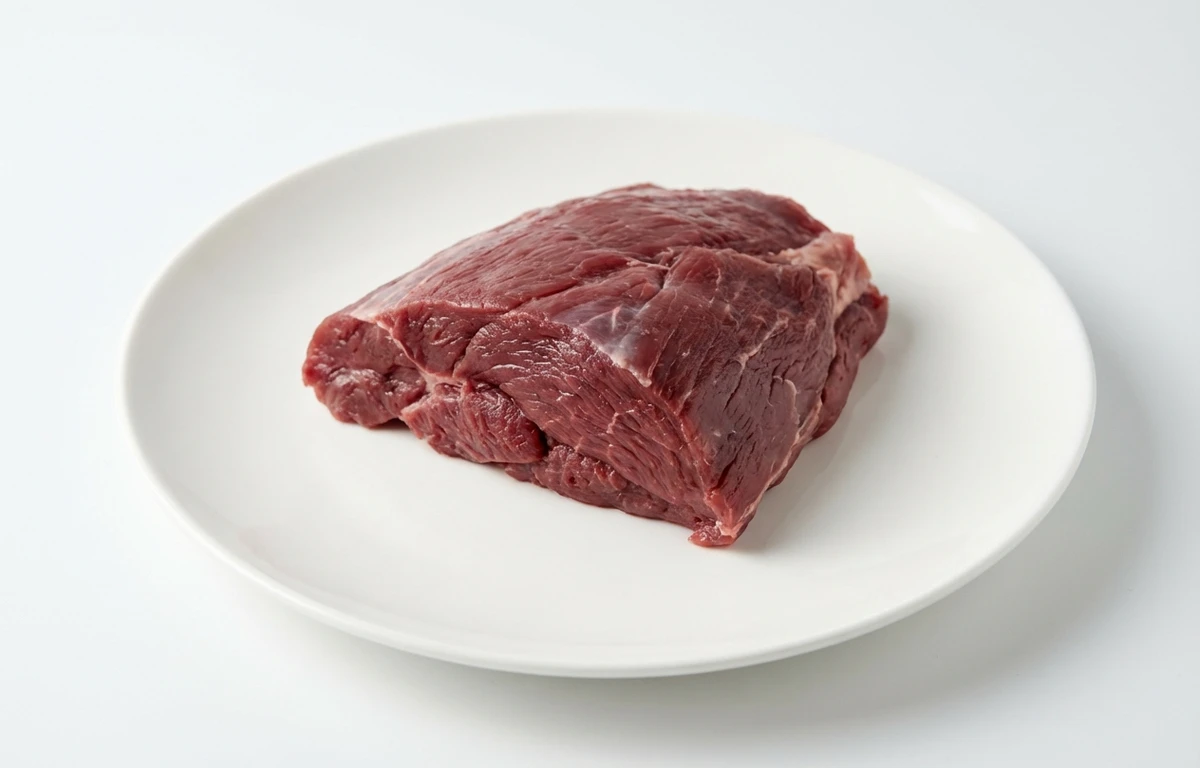
SERVING
CALORIES
157
PROTEIN
19.2g
CARBS
0g
FAT
9.0g
FIBER
0g
NUTRITION PROFILE · per 100 g
Everything in this ingredient.
MACRONUTRIENTS
Calories157kcal—
Protein19.2g38%
Carbohydrates0g0%
Fiber0g0%
Sugar0g0%
Total fat9.0g12%
Saturated fat2.5g13%
Trans fat0g—
Cholesterol90mg30%
Water71g—
MINERALS
Sodium75mg3%
Potassium310mg7%
Calcium15mg1%
Iron6.5mg36%
Magnesium22mg5%
Phosphorus200mg16%
Zinc3.5mg32%
Copper0.20mg22%
Manganese0.02mg1%
Selenium15µg27%
VITAMINS
Vitamin A10µg1%
Vitamin C0mg0%
Vitamin D0.10µg1%
Vitamin E0.30mg2%
Vitamin K1.1µg1%
Thiamin (B1)0.10mg8%
Riboflavin (B2)0.30mg23%
Niacin (B3)5.5mg34%
Pantothenic acid (B5)0.80mg16%
Vitamin B60.40mg24%
Folate (B9)5.0µg1%
Vitamin B124.5µg188%
%DV based on a 2,000 cal diet. Source: USDA FoodData Central. A dash in the %DV column means there’s no established Daily Value for that nutrient.
MEASUREMENT CONVERSIONS
How much is what.
1 cup150g
1 tablespoon9.4g
1 teaspoon3.1g
1 ml0.6g
1 liter625g
1 piece100g
HEALTH BENEFITS
Why eat it.
- ✓Excellent source of high-quality, complete protein for muscle maintenance and growth.
- ✓Rich in heme iron, which is easily absorbed and helps prevent iron-deficiency anemia.
- ✓Provides essential B vitamins, particularly Vitamin B12 and Niacin, crucial for energy metabolism and nervous system health.
- ✓Generally a lean meat, lower in saturated fat compared to many domesticated red meats.
COOKING TIPS
In the kitchen.
- 1Carefully remove the musk glands located on the inner thighs and under the forelegs during preparation to avoid a strong, unpleasant flavor in the meat.
- 2Soak the meat in salted water or a buttermilk marinade for several hours or overnight to tenderize it and reduce its gamey taste.
- 3Due to its lean nature, muskrat benefits from slow, moist-heat cooking methods like braising, stewing, or slow-cooking to prevent it from becoming tough.
- 4Always cook muskrat meat thoroughly to an internal temperature of at least 165°F (74°C) to ensure it is safe to eat and to eliminate potential parasites like Trichinella.
STORAGE
Keep it fresh.
- Refrigerate raw muskrat meat at or below 40°F (4°C) in a sealed container and consume within 1-2 days.
- For long-term storage, wrap tightly in plastic wrap and freezer paper or vacuum-seal, and freeze at 0°F (-18°C) for up to 9 months for best quality.
- Always thaw frozen muskrat meat in the refrigerator, never at room temperature, to prevent bacterial growth.
FAQ
Frequently asked questions.
Is muskrat meat healthy?
Yes, muskrat is a nutrient-dense wild game meat. It is an excellent source of high-quality protein and heme iron, which is easily absorbed by the body to prevent anemia. It also provides essential B vitamins like B12 and Niacin for energy metabolism.
How many calories and how much protein are in muskrat?
A 100g serving of raw muskrat contains approximately 157 calories and 19.2 grams of protein. With zero carbohydrates and about 9 grams of fat, it is a high-protein food suitable for muscle maintenance and growth.
Is muskrat meat keto-friendly?
Yes, muskrat meat is very keto-friendly as it contains 0g of carbohydrates. Its high protein content and moderate fat levels make it an excellent choice for those following low-carb or ketogenic lifestyles.
What does muskrat taste like?
Muskrat is often described as having a dark, fine-grained meat with a flavor similar to rabbit or duck, but with a slightly sweet and 'marshy' undertone. The flavor can be improved by removing the musk glands and soaking the meat in salt water or vinegar before cooking.
How do you prepare raw muskrat for cooking?
Before cooking, it is essential to remove the small, waxy musk glands found in the armpits and lower back to avoid a bitter taste. Many cooks recommend soaking the meat in a brine of salt and water or a vinegar solution overnight to mellow the wild game flavor.
Can you eat muskrat raw?
No, it is not recommended to eat muskrat raw. Like most wild game, muskrat can carry parasites or bacteria such as tularemia. It should be cooked thoroughly to an internal temperature of at least 160°F (71°C) to ensure it is safe for consumption.
Is muskrat meat lean?
Yes, muskrat is generally considered a lean meat. With only 9g of fat per 100g, it contains less saturated fat than many domesticated red meats like beef, making it a heart-healthier alternative for those seeking wild protein sources.
How should raw muskrat be stored?
Raw muskrat should be kept in the coldest part of the refrigerator and used within 1-2 days. For longer storage, wrap it tightly in freezer paper or vacuum-seal it and store it in the freezer for up to 6-9 months.
Is muskrat meat halal or kosher?
Muskrat is generally not considered kosher as it does not have cloven hooves and does not chew its cud. In Islamic dietary laws, it is typically considered haram (forbidden) because it is a rodent, though interpretations can vary by school of thought.
How do you know if raw muskrat has spoiled?
Spoiled muskrat will have a strong, unpleasant sour or ammonia-like odor that differs from its natural marshy scent. Other signs include a slimy texture on the surface of the meat or visible discoloration like grey or green patches.



















