
Meat
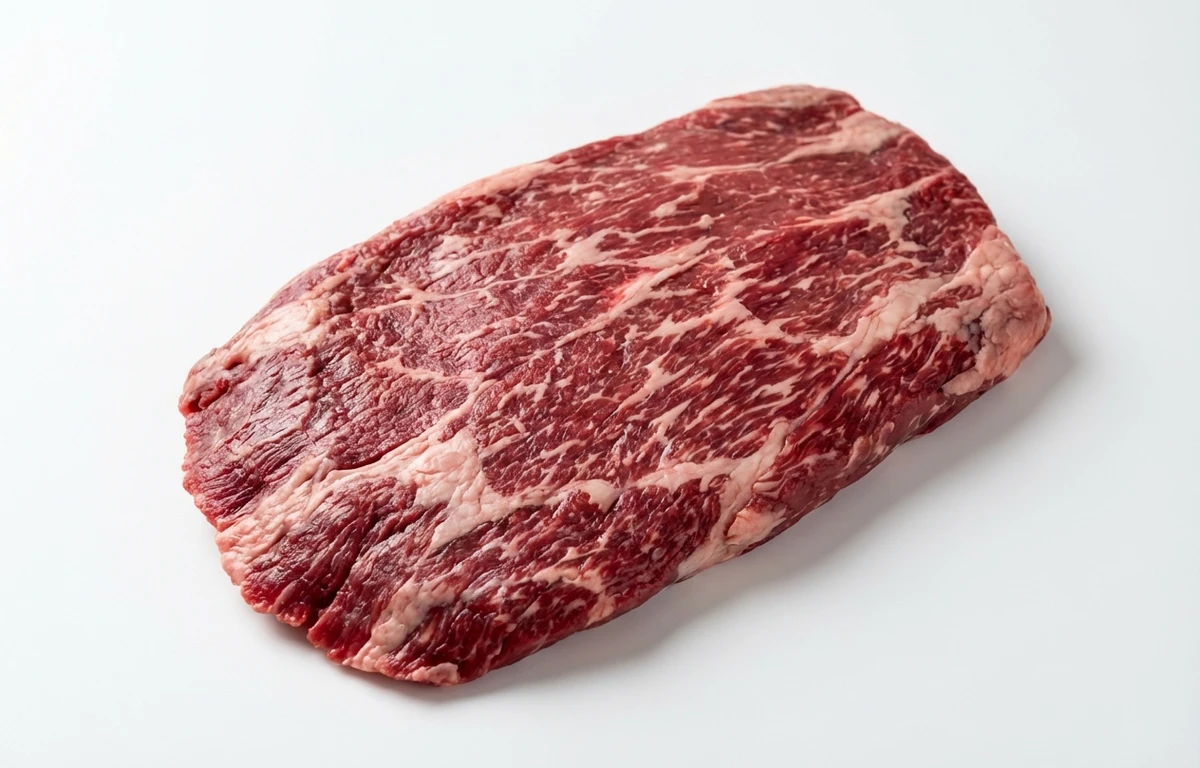
raw New Zealand beef flank.
VegetarianVeganGluten-freeDairy-freeNut-freePeanut-freeSoy-freeEgg-freeShellfish-freeHoney-freeAlcohol-free
SERVING
CALORIES
161
PROTEIN
20.1g
CARBS
0g
FAT
8.9g
FIBER
0g
NUTRITION PROFILE · per 100 g
Everything in this ingredient.
MACRONUTRIENTS
Calories161kcal—
Protein20.1g40%
Carbohydrates0g0%
Fiber0g0%
Sugar0g0%
Total fat8.9g11%
Saturated fat3.3g16%
Trans fat0.19g—
Cholesterol49mg16%
Water71.8g—
MINERALS
Sodium46mg2%
Potassium323mg7%
Calcium4.0mg0%
Iron1.5mg9%
Magnesium19mg5%
Phosphorus171mg14%
Zinc4.2mg38%
Copper0.04mg4%
Manganese0.01mg0%
Selenium3.4µg6%
VITAMINS
Vitamin A8.0µg1%
Vitamin C0mg0%
Vitamin D0.10µg1%
Vitamin E0.33mg2%
Thiamin (B1)0.04mg3%
Riboflavin (B2)0.08mg6%
Niacin (B3)4.6mg29%
Pantothenic acid (B5)0.14mg3%
Vitamin B60.20mg12%
Vitamin B121.5µg63%
%DV based on a 2,000 cal diet. Source: USDA FoodData Central. A dash in the %DV column means there’s no established Daily Value for that nutrient.
MEASUREMENT CONVERSIONS
How much is what.
1 cup150g
1 tablespoon9g
1 teaspoon3g
1 oz28.4g
1 lb453.6g
1 piece120g
HEALTH BENEFITS
Why eat it.
- ✓Excellent source of high-quality complete protein, essential for muscle building, repair, and overall body function.
- ✓Rich in heme iron, a highly bioavailable form that helps prevent iron-deficiency anemia and supports energy levels.
- ✓Provides significant amounts of Vitamin B12, crucial for nerve function, DNA synthesis, and red blood cell formation.
- ✓Good source of zinc, which supports a healthy immune system, wound healing, and cell growth.
COOKING TIPS
In the kitchen.
- 1Marinate for at least 2-4 hours to tenderize the muscle fibers and infuse flavor, as flank is a lean and fibrous cut.
- 2Cook quickly over high heat (grilling, broiling, or pan-searing) to a maximum of medium-rare (130-135°F or 54-57°C) to prevent it from becoming tough.
- 3After cooking, let the steak rest for 5-10 minutes before slicing to allow the juices to redistribute, ensuring a more flavorful and moist result.
- 4Always slice flank steak thinly against the grain to shorten the muscle fibers, making it significantly more tender to eat.
STORAGE
Keep it fresh.
- Refrigerate raw flank steak immediately at 40°F (4°C) or below in its original packaging. Use within 3 to 5 days.
- For long-term storage, wrap tightly in plastic wrap and heavy-duty foil or place in a freezer bag, removing as much air as possible. Freeze at 0°F (-18°C) for up to 12 months.
- Thaw frozen flank steak safely in the refrigerator over 24 hours, not on the countertop.
FAQ
Frequently asked questions.
Is New Zealand beef flank healthy?
Yes, New Zealand beef flank is a healthy choice. It's an excellent source of high-quality complete protein, essential for muscle health, and rich in highly bioavailable heme iron, which helps prevent anemia. It also provides significant amounts of Vitamin B12 for nerve function and zinc for immune support.
What are the nutritional values of New Zealand beef flank?
Per 100g, raw New Zealand beef flank contains approximately 161 calories, 20.12g of protein, 0g of carbohydrates, and 8.9g of fat. It's a nutrient-dense cut, offering substantial protein with a moderate fat content.
Is New Zealand beef flank good for weight loss?
Yes, New Zealand beef flank can be beneficial for weight loss due to its high protein content and relatively moderate fat. Protein promotes satiety, helping you feel full longer and potentially reducing overall calorie intake. Its lean profile makes it a good option when consumed in appropriate portions.
Is New Zealand beef flank keto-friendly?
Absolutely, New Zealand beef flank is an excellent choice for a ketogenic diet. It contains 0g of carbohydrates per 100g, making it perfectly aligned with low-carb, high-fat dietary principles. It provides essential protein and fats without adding carbs.
Is New Zealand beef flank gluten-free?
Yes, raw New Zealand beef flank is naturally gluten-free. As an unprocessed cut of meat, it does not contain any gluten-containing grains or additives. It's a safe option for individuals with celiac disease or gluten sensitivity.
How should I cook New Zealand beef flank?
New Zealand beef flank is best cooked quickly over high heat, such as grilling, broiling, or pan-searing, to a medium-rare or medium doneness to prevent toughness. Marinating it beforehand can tenderize the meat and add flavor. Always slice flank steak thinly against the grain for maximum tenderness.
What does New Zealand beef flank taste like?
New Zealand beef flank has a robust, beefy flavor that is more intense than some other cuts. It has a coarse grain and can be slightly chewy if not cooked properly or sliced against the grain. Its strong flavor makes it excellent for marinades and spice rubs.
How do I store raw New Zealand beef flank?
Store raw New Zealand beef flank in its original packaging or in an airtight container in the coldest part of your refrigerator for 3-5 days. For longer storage, wrap it tightly in plastic wrap and then foil, or place it in a freezer-safe bag, and freeze for up to 6-12 months.
How can I tell if New Zealand beef flank is fresh?
Fresh New Zealand beef flank should have a bright red color, though it may be slightly darker if vacuum-sealed. It should feel firm to the touch and have a mild, fresh, slightly metallic aroma. Avoid meat that appears dull, grayish, slimy, or has a strong, sour, or off-putting smell.
Is New Zealand beef flank typically grass-fed?
Yes, New Zealand beef, including flank steak, is predominantly grass-fed. New Zealand's climate and abundant pastures allow cattle to graze year-round. This grass-fed diet contributes to a leaner meat profile and a distinct, often richer flavor compared to grain-fed beef.



















