
Vegetable
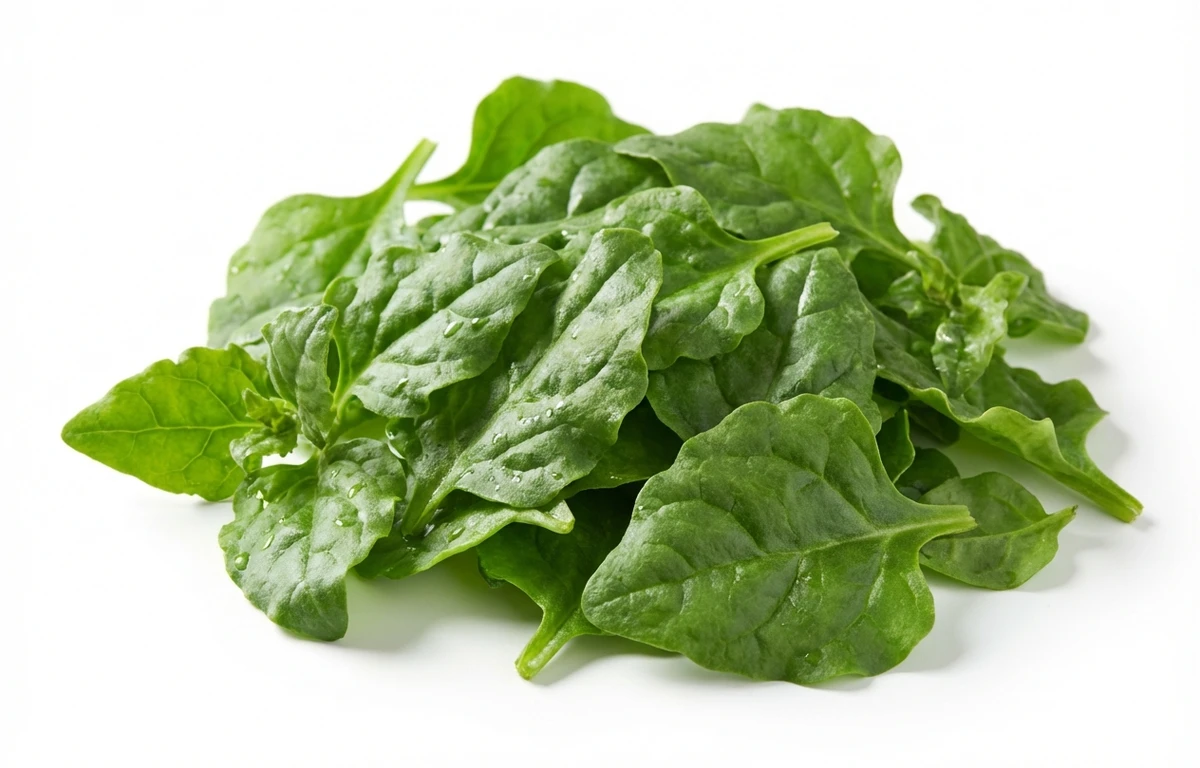
raw New Zealand spinach.
VegetarianVeganGluten-freeDairy-freeNut-freePeanut-freeSoy-freeEgg-freeShellfish-freeHoney-freeAlcohol-freeHalalKosher
ALSO KNOWN AS
raw tetragoniaraw warrigal greensraw sea spinachraw cook's cabbage
SERVING
CALORIES
15
PROTEIN
1.3g
CARBS
2.2g
FAT
0.20g
FIBER
0.60g
NUTRITION PROFILE · per 100 g
Everything in this ingredient.
MACRONUTRIENTS
Calories15kcal—
Protein1.3g3%
Carbohydrates2.2g1%
Fiber0.60g2%
Sugar0.40g1%
Total fat0.20g0%
Saturated fat0.05g0%
Trans fat0g—
Cholesterol0mg0%
Water94g—
MINERALS
Sodium130mg6%
Potassium130mg3%
Calcium58mg4%
Iron0.80mg4%
Magnesium28mg7%
Phosphorus28mg2%
Zinc0.30mg3%
Copper0.10mg11%
Manganese0.50mg22%
Selenium0.50µg1%
VITAMINS
Vitamin A220µg24%
Vitamin C30mg33%
Vitamin D0µg0%
Vitamin E0.50mg3%
Vitamin K280µg233%
Thiamin (B1)0.04mg3%
Riboflavin (B2)0.13mg10%
Niacin (B3)0.50mg3%
Pantothenic acid (B5)0.20mg4%
Vitamin B60.20mg12%
Folate (B9)15µg4%
Vitamin B120µg0%
%DV based on a 2,000 cal diet. Source: USDA FoodData Central. A dash in the %DV column means there’s no established Daily Value for that nutrient.
MEASUREMENT CONVERSIONS
How much is what.
1 cup55g
1 oz28.4g
1 lb453.6g
HEALTH BENEFITS
Why eat it.
- ✓High in Vitamin C which supports immune function
- ✓Excellent source of Vitamin A for eye health
- ✓Very low in calories, making it ideal for weight management
- ✓Contains antioxidants that help protect cells from damage
- ✓Provides a source of dietary fiber for digestive health
COOKING TIPS
In the kitchen.
- 1Blanch the leaves briefly to reduce the high oxalate content
- 2Use as a direct substitute for regular spinach in stir-fries and soups
- 3Pairs well with strong flavors like garlic, lemon, and feta cheese
STORAGE
Keep it fresh.
- Store in a perforated plastic bag in the refrigerator crisper drawer
- Do not wash the leaves until you are ready to use them
- Best used within 2 to 3 days for maximum freshness
FAQ
Frequently asked questions.
How long does raw New Zealand spinach last?
It typically lasts 2-3 days in the refrigerator. It is more succulent than regular spinach but wilts quickly if not kept cool.
Can you freeze New Zealand spinach?
Yes, but it should be blanched first. Squeeze out excess water after blanching, then freeze in airtight bags for up to 6 months.
How do I pick the best New Zealand spinach?
Look for small, crisp, bright green leaves. Avoid any that are yellowing, slimy, or have thick, woody stems.
What is the best substitute for New Zealand spinach?
Regular spinach, Malabar spinach, or Swiss chard are the best alternatives in most recipes.
How should I clean it?
Submerge the leaves in a bowl of cold water and swish them around to remove sand or grit, then pat dry or use a salad spinner.
Is it safe to eat raw?
While it can be eaten raw in small amounts, it is high in oxalates. Blanching or cooking is recommended for those sensitive to oxalates.
What does it taste like?
It has a mild, slightly salty flavor similar to regular spinach but with a thicker, more succulent leaf texture.
Why is it called New Zealand spinach?
It is native to New Zealand and Australia and was one of the first native vegetables from that region to be used by European explorers.
Does it contain a lot of sodium?
Compared to other leafy greens, it is naturally higher in sodium (about 130mg per 100g) because it often grows in coastal environments.
Is it the same as regular spinach?
No, they are from different botanical families, though they are used similarly in cooking and have comparable nutritional profiles.



















