
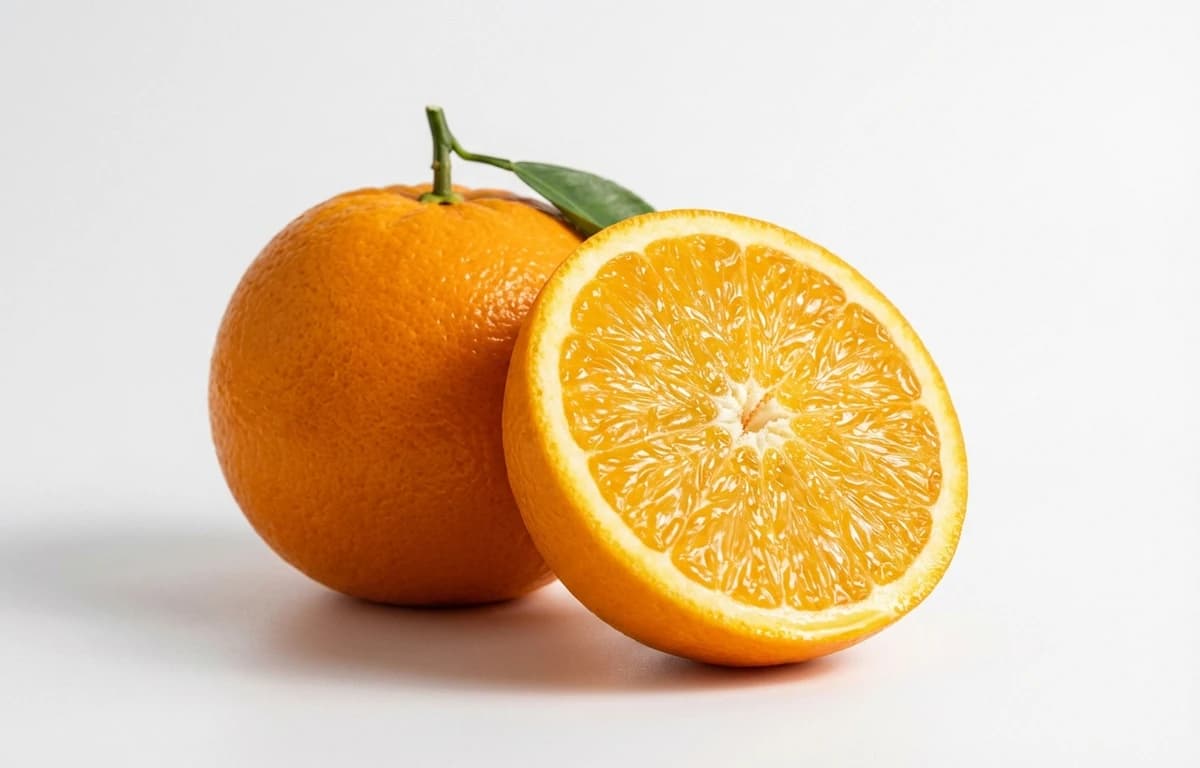
raw orange
Also known as: orange
Loading...
Also known as: orange
Per 100g
Nutrition data source: USDA FoodData Central
Common measurement equivalents in grams
Yes, oranges are highly nutritious, providing over 100% of the daily recommended Vitamin C in one medium fruit. They also contain fiber, potassium, and antioxidants like hesperidin, which support immune function and heart health.
Raw oranges contain approximately 47 calories and 11.75g of carbohydrates per 100g. Most of these carbs come from natural sugars, but they are balanced by about 2.4g of dietary fiber which aids in digestion.
Yes, oranges are excellent for weight management because they are low in calories and high in fiber and water. The fiber helps you feel full longer, reducing the likelihood of overeating throughout the day.
Oranges are generally not considered keto-friendly because they are relatively high in natural sugars. A single medium orange contains about 12-15g of net carbs, which can easily exceed the daily limit for those on a strict ketogenic diet.
Yes, people with diabetes can eat oranges in moderation. They have a low glycemic index (GI), and the fiber content helps slow down the absorption of sugar, preventing sharp spikes in blood glucose levels compared to orange juice.
It is better to eat the whole fruit because it contains dietary fiber that is largely lost during juicing. Whole oranges are more filling and have a lower glycemic impact than juice, which is more concentrated in sugar and calories.
While the peel is edible and rich in fiber and Vitamin C, it can be bitter and tough. Most people use the 'zest' (the outer colored part) for flavoring, but ensure you wash the fruit thoroughly to remove any potential pesticide residue.
raw orange is a versatile ingredient found in cuisines around the world. With 47 calories per 100g and 0.94 grams of protein, it's a nutritious addition to many dishes.
Explore more ingredients in the fruit category with complete nutrition information.
View all fruit →Oranges can be kept at room temperature for about a week. To extend their shelf life up to 3-4 weeks, store them in the crisper drawer of your refrigerator in a mesh bag to allow for proper air circulation.
Choose oranges that feel heavy for their size, as weight indicates a high juice content. Look for firm fruit with smooth, thin skin, and avoid any that have soft spots, mold, or a fermented smell.
Yes, the high Vitamin C content in oranges is essential for collagen production, which maintains skin elasticity and strength. The antioxidants also help protect skin cells from damage caused by free radicals and environmental stressors.