Fruit
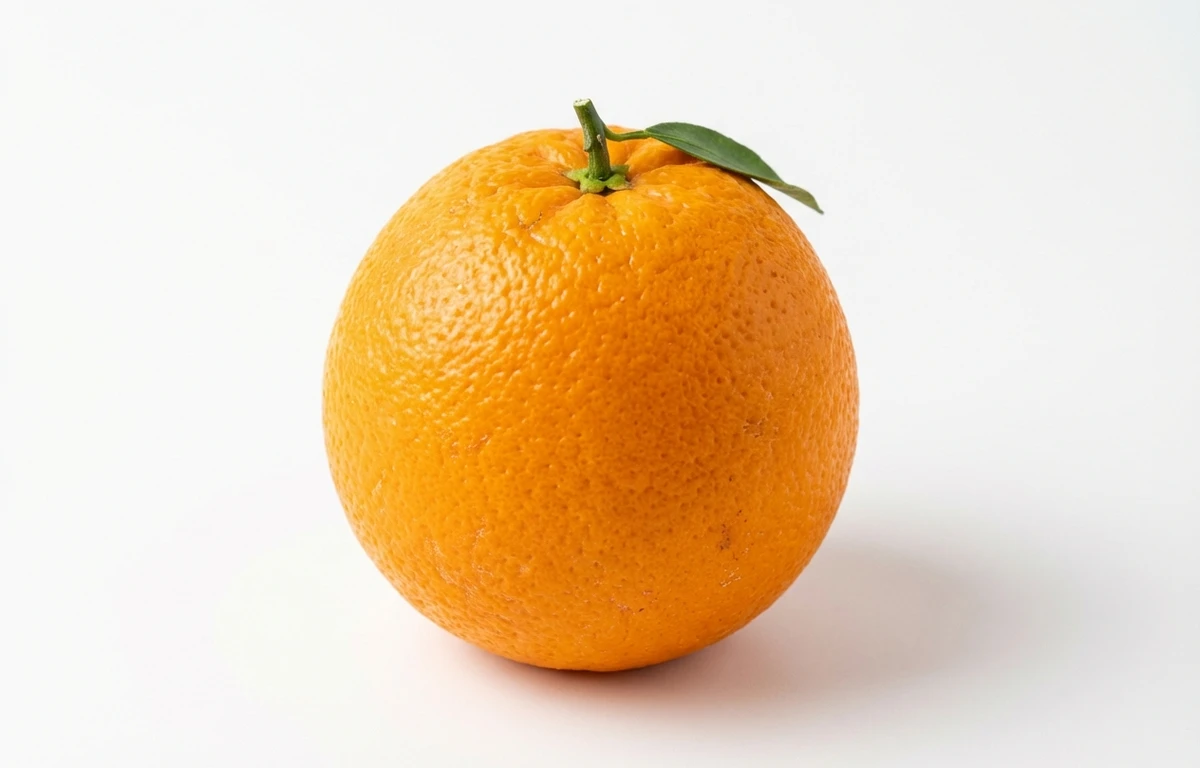
raw orange with peel.
VegetarianVeganGluten-freeDairy-freeNut-freePeanut-freeSoy-freeEgg-freeShellfish-freeHoney-freeAlcohol-free
SERVING
CALORIES
63
PROTEIN
1.3g
CARBS
15.5g
FAT
0.20g
FIBER
4.5g
NUTRITION PROFILE · per 100 g
Everything in this ingredient.
MACRONUTRIENTS
Calories63kcal—
Protein1.3g3%
Carbohydrates15.5g6%
Fiber4.5g16%
Sugar9.0g18%
Total fat0.20g0%
Saturated fat0.02g0%
Trans fat0g—
Cholesterol0mg0%
Water82.3g—
MINERALS
Sodium1.0mg0%
Potassium181mg4%
Calcium71mg5%
Iron0.30mg2%
Magnesium14mg3%
Phosphorus20mg2%
Zinc0.10mg1%
Copper0.06mg7%
Manganese0.04mg2%
Selenium0.50µg1%
VITAMINS
Vitamin A11µg1%
Vitamin C71mg79%
Vitamin D0µg0%
Vitamin E0.20mg1%
Vitamin K0µg0%
Thiamin (B1)0.09mg8%
Riboflavin (B2)0.05mg4%
Niacin (B3)0.40mg3%
Pantothenic acid (B5)0.30mg6%
Vitamin B60.08mg5%
Folate (B9)30µg8%
Vitamin B120µg0%
%DV based on a 2,000 cal diet. Source: USDA FoodData Central. A dash in the %DV column means there’s no established Daily Value for that nutrient.
MEASUREMENT CONVERSIONS
How much is what.
1 cup170g
1 tablespoon10.6g
1 teaspoon3.5g
1 ml0.7g
1 liter708.3g
HEALTH BENEFITS
Why eat it.
- ✓Excellent source of Vitamin C, crucial for immune system support and collagen production.
- ✓The peel is rich in flavonoids like hesperidin, which have potent antioxidant and anti-inflammatory properties.
- ✓High in dietary fiber (from both flesh and peel), which aids digestion, promotes satiety, and helps regulate blood sugar levels.
- ✓Contains beneficial plant compounds and potassium, which support heart health by helping to manage blood pressure.
COOKING TIPS
In the kitchen.
- 1Always wash oranges thoroughly, especially when using the peel, to remove wax and potential pesticide residues. Opt for organic oranges if possible.
- 2Use a microplane or zester to remove only the outer colored part of the peel (zest), avoiding the bitter white pith underneath for a more pleasant flavor.
- 3Orange peel can be candied by simmering in a sugar syrup, creating a sweet treat or garnish for desserts.
- 4Incorporate finely grated zest into marinades, dressings, baked goods, and sauces to add a bright, aromatic citrus flavor without extra liquid.
STORAGE
Keep it fresh.
- Store whole oranges at room temperature for up to one week or in the refrigerator's crisper drawer for 3-4 weeks to maintain freshness.
- To store the peel separately, zest the orange and freeze the zest in an airtight container for up to 6 months, or dry the peel completely and store in a cool, dark place.
FAQ
Frequently asked questions.
Is eating an orange with the peel healthy?
Yes, eating the whole fruit including the peel is very healthy as the peel contains significantly more fiber and antioxidants like hesperidin than the flesh alone. It provides a massive boost of Vitamin C for immune support and collagen production. However, ensure the orange is organic or thoroughly washed to avoid pesticide residue.
What are the nutritional benefits of orange peel?
Orange peel is rich in dietary fiber and plant compounds called flavonoids, which have potent anti-inflammatory properties. It also contains higher concentrations of Vitamin C and Vitamin A compared to the inner fruit. These nutrients support heart health and help regulate blood sugar levels.
Is an orange with peel good for weight loss?
Yes, it is excellent for weight loss because it is low in calories (63 per 100g) and very high in fiber. The fiber in the peel promotes satiety, helping you feel full for longer periods. This can reduce overall calorie intake throughout the day.
Is raw orange with peel keto-friendly?
Oranges are generally not considered keto-friendly because they contain about 15.5g of carbohydrates per 100g. While the fiber in the peel helps lower the net carb count slightly, it is still high enough to potentially disrupt ketosis. Small amounts of zest may be used for flavor instead.
Can diabetics eat oranges with the peel?
Yes, diabetics can eat oranges, and including the peel is actually beneficial due to its high fiber content. Fiber slows down the absorption of sugar into the bloodstream, preventing sharp insulin spikes. However, portion control is still important due to the natural sugar content in the fruit.
How do you eat or use an orange with the peel?
You can consume the whole fruit by slicing it thinly into salads, blending it into smoothies, or candying the slices. The peel can also be zested over dishes or used to infuse teas and water with citrus flavor. Always wash the exterior thoroughly before consumption to remove wax or contaminants.
What does orange peel taste like?
Orange peel has a very intense, citrusy aroma but a bitter and slightly pungent taste due to the oils and white pith. The texture is much tougher and more fibrous than the juicy flesh inside. Combining it with the sweet flesh or using it in recipes helps balance the bitterness.
How should I store whole oranges to keep the peel fresh?
Oranges can be stored at room temperature for about a week, but they stay fresh for up to three to four weeks in the refrigerator. Keep them in a mesh bag or a ventilated container to allow air circulation, which prevents the peel from molding. Avoid storing them in airtight plastic bags.
How do you know if an orange with its peel is spoiled?
Check for soft spots, discoloration, or visible mold on the surface of the peel. If the orange feels very light or the skin looks shriveled and dry, it has likely lost its moisture and flavor. A fermented or 'off' smell is also a clear sign that the fruit has gone bad.
Do I need to wash the orange if I'm eating the peel?
Yes, it is crucial to wash the orange thoroughly, especially if you plan to eat the peel. Many commercially grown oranges are treated with pesticides or coated in food-grade wax to preserve freshness. Using a fruit scrub or a mixture of water and vinegar can help remove these residues effectively.