
Meat
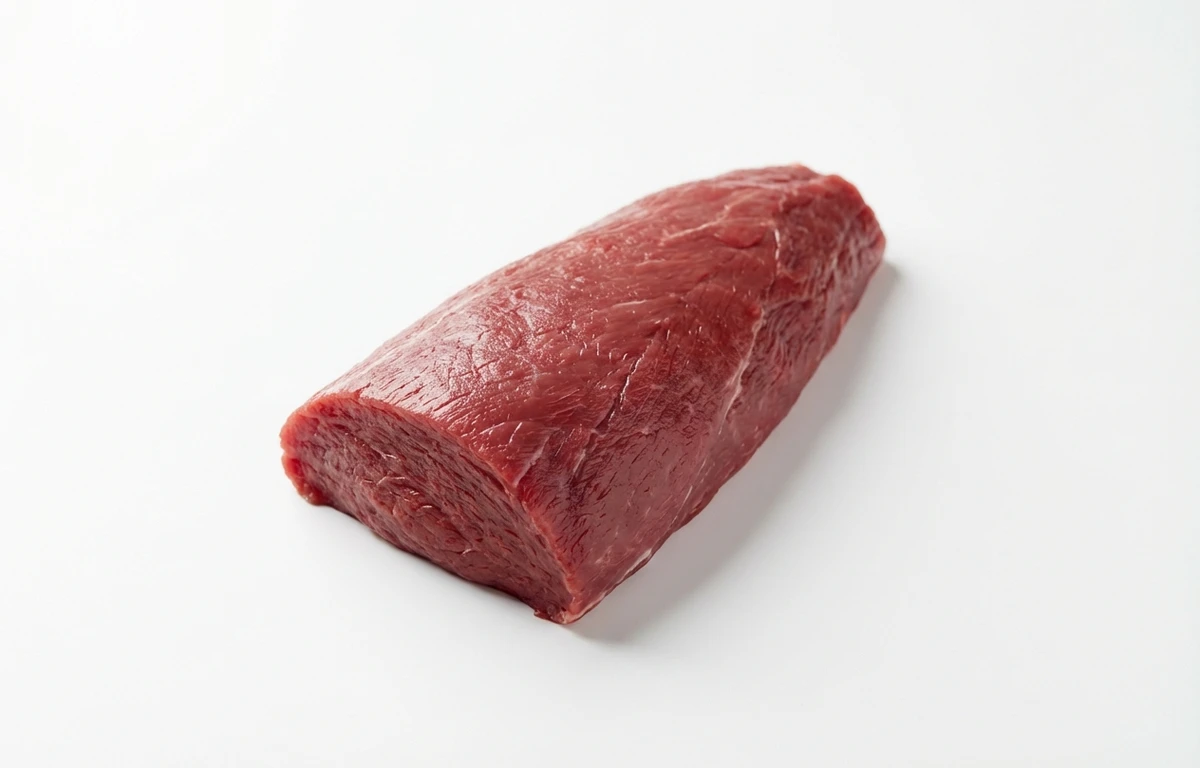
raw ostrich tenderloin.
VegetarianVeganGluten-freeDairy-freeNut-freePeanut-freeSoy-freeEgg-freeShellfish-freeHoney-freeAlcohol-freeKosher
ALSO KNOWN AS
ostrich
SERVING
CALORIES
123
PROTEIN
22.1g
CARBS
0g
FAT
3.2g
FIBER
0g
NUTRITION PROFILE · per 100 g
Everything in this ingredient.
MACRONUTRIENTS
Calories123kcal—
Protein22.1g44%
Carbohydrates0g0%
Fiber0g0%
Sugar0g0%
Total fat3.2g4%
Saturated fat1.2g6%
Cholesterol80mg27%
Water74.5g—
MINERALS
Sodium86mg4%
Potassium320mg7%
Calcium6.0mg0%
Iron4.9mg27%
Magnesium22mg5%
Phosphorus220mg18%
Zinc3.9mg35%
Copper0.14mg16%
Manganese0.02mg1%
Selenium36.4µg66%
VITAMINS
Vitamin A0µg0%
Vitamin C0mg0%
Vitamin E0.21mg1%
Thiamin (B1)0.20mg17%
Riboflavin (B2)0.29mg22%
Niacin (B3)4.8mg30%
Pantothenic acid (B5)1.2mg24%
Vitamin B60.52mg31%
Folate (B9)8.0µg2%
Vitamin B125.0µg210%
%DV based on a 2,000 cal diet. Source: USDA FoodData Central. A dash in the %DV column means there’s no established Daily Value for that nutrient.
MEASUREMENT CONVERSIONS
How much is what.
1 cup150g
1 tablespoon9g
1 teaspoon3g
1 oz28.4g
1 lb453.6g
HEALTH BENEFITS
Why eat it.
- ✓Excellent source of lean protein, supporting muscle growth and repair with significantly less fat and cholesterol than beef.
- ✓Rich in bioavailable heme iron, which is crucial for preventing anemia and supporting energy levels.
- ✓High in Vitamin B12, essential for nerve function and the formation of red blood cells.
- ✓Contains high levels of anserine and carnosine, dipeptides with antioxidant properties that may help reduce muscle fatigue.
COOKING TIPS
In the kitchen.
- 1Due to its low fat content, ostrich cooks very quickly and should not be cooked past medium-rare (125-135°F / 52-57°C) to avoid toughness.
- 2Use high-heat cooking methods like grilling, pan-searing, or broiling. A quick sear on each side is often sufficient.
- 3Marinating the tenderloin for at least 30 minutes can add moisture and flavor.
- 4Always let the cooked meat rest for 5-10 minutes before slicing to allow the juices to redistribute, ensuring a tender and moist result.
STORAGE
Keep it fresh.
- Refrigerate raw ostrich tenderloin at or below 40°F (4°C) in its original packaging or a sealed container for up to 3 days.
- For long-term storage, wrap tightly in plastic wrap and freezer paper or a vacuum-sealed bag and freeze at 0°F (-18°C) for up to 12 months.
FAQ
Frequently asked questions.
Is ostrich tenderloin healthy?
Yes, ostrich tenderloin is an exceptionally healthy red meat. It is very lean, containing only 3.19g of fat per 100g, and is rich in essential nutrients like Vitamin B12 and heme iron, which support nerve function and energy levels.
How does ostrich tenderloin compare to beef nutritionally?
Ostrich is much leaner than beef, with significantly lower fat and cholesterol levels, yet it provides a similar amount of protein (about 22g per 100g). Despite being poultry, it has the appearance, taste, and texture of high-quality lean beef.
Is ostrich tenderloin good for weight loss?
Yes, it is an ideal protein for weight loss due to its high protein-to-calorie ratio. With only 123 calories per 100g and zero carbohydrates, it helps promote fullness and maintain muscle mass while keeping caloric intake low.
Is ostrich tenderloin keto-friendly?
Ostrich tenderloin is perfectly suited for a keto or low-carb diet as it contains 0g of carbohydrates. Because it is very lean, those on a strict ketogenic diet may want to pair it with a healthy fat source like avocado or a butter-based sauce.
What does ostrich tenderloin taste like?
Ostrich tenderloin tastes remarkably like premium beef fillet. It has a mild, slightly sweet flavor and lacks the 'gamey' taste found in other wild meats, making it a popular choice for those who enjoy steak but want a leaner option.
How do you cook ostrich tenderloin without it getting tough?
Because ostrich is so lean, it cooks faster than beef and can become tough if overcooked. It is best seared over high heat and served rare to medium-rare (internal temperature of 125°F to 135°F) to maintain its tenderness.
Can I eat ostrich tenderloin raw or as carpaccio?
Yes, high-quality ostrich tenderloin is often used for carpaccio or tartare because of its lean, tender nature and mild flavor. However, as with any raw meat, ensure it is sourced from a reputable supplier and handled with strict hygiene standards.
How long does raw ostrich tenderloin last in the fridge?
Raw ostrich tenderloin typically lasts 2 to 3 days in the refrigerator if kept in its original packaging. If vacuum-sealed, it may last longer; always check the 'use-by' date and ensure the meat has a bright red color and no off-odor before cooking.
Can I freeze ostrich tenderloin?
Yes, ostrich tenderloin freezes very well. To prevent freezer burn, wrap it tightly in plastic wrap and then place it in a heavy-duty freezer bag or use a vacuum sealer. It can be stored in the freezer for 6 to 12 months.
Is ostrich meat considered 'red meat' or 'white meat'?
Even though ostrich is a bird, its meat is biologically and culinarily classified as red meat. This is due to high levels of myoglobin, the protein that stores oxygen in muscles, which gives the meat its deep red color similar to beef.



















