Poultry
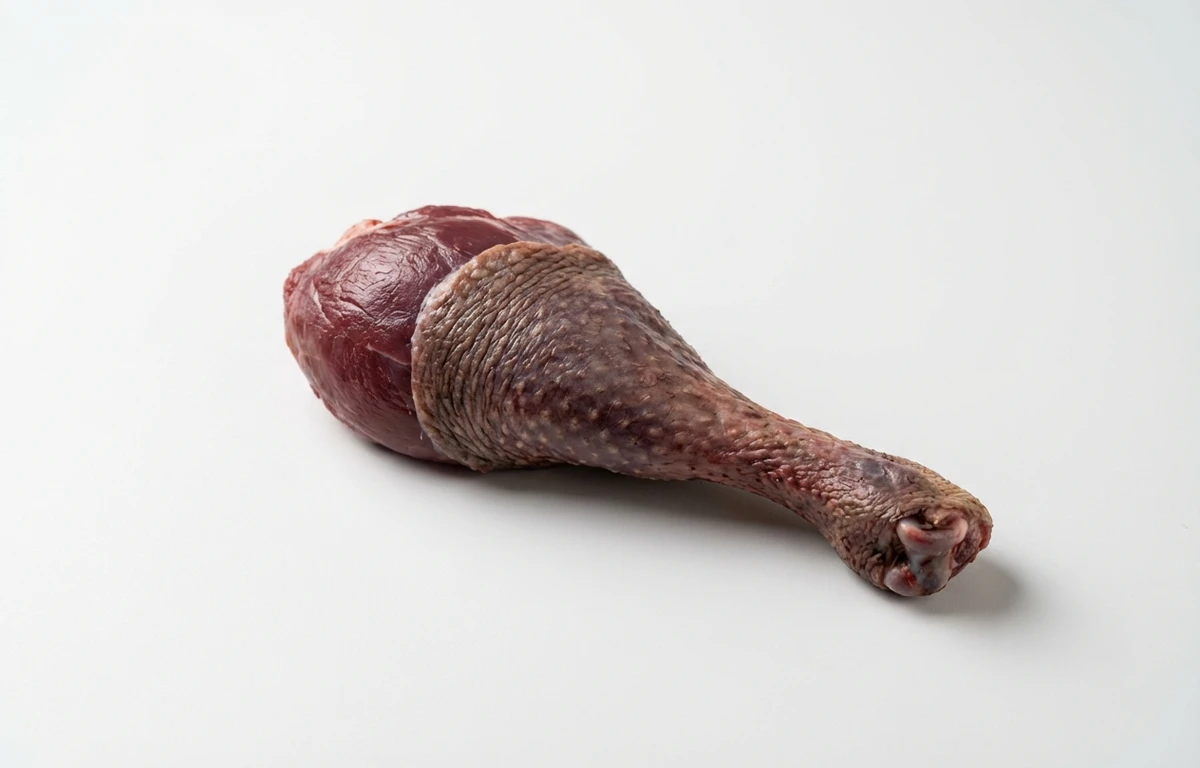
raw outside drum emu.
VegetarianVeganGluten-freeDairy-freeNut-freePeanut-freeSoy-freeEgg-freeShellfish-freeHoney-freeAlcohol-free
ALSO KNOWN AS
emu drum
SERVING
CALORIES
103
PROTEIN
23.1g
CARBS
0g
FAT
0.48g
FIBER
0g
NUTRITION PROFILE · per 100 g
Everything in this ingredient.
MACRONUTRIENTS
Calories103kcal—
Protein23.1g46%
Carbohydrates0g0%
Fiber0g0%
Sugar0g0%
Total fat0.48g1%
Saturated fat0.12g1%
Cholesterol78mg26%
Water74.9g—
MINERALS
Sodium100mg4%
Potassium320mg7%
Calcium3.0mg0%
Iron4.5mg25%
Magnesium29mg7%
Phosphorus225mg18%
Zinc4.5mg41%
Copper0.20mg22%
Manganese0.03mg1%
Selenium36.3µg66%
VITAMINS
Vitamin A0µg0%
Vitamin C0mg0%
Vitamin E0.17mg1%
Thiamin (B1)0.26mg22%
Riboflavin (B2)0.44mg34%
Niacin (B3)7.3mg45%
Pantothenic acid (B5)2.5mg50%
Vitamin B60.68mg40%
Folate (B9)7.0µg2%
Vitamin B126.9µg288%
%DV based on a 2,000 cal diet. Source: USDA FoodData Central. A dash in the %DV column means there’s no established Daily Value for that nutrient.
MEASUREMENT CONVERSIONS
How much is what.
1 cup150g
1 tablespoon9g
1 oz28.4g
1 lb453.6g
HEALTH BENEFITS
Why eat it.
- ✓Excellent source of lean protein, with significantly less fat and cholesterol than beef.
- ✓Extremely rich in iron, which is crucial for preventing anemia and maintaining energy levels.
- ✓High in Vitamin B12, essential for nerve function and the formation of red blood cells.
- ✓Provides a good source of creatine, which can enhance athletic performance and muscle strength.
COOKING TIPS
In the kitchen.
- 1Due to its low-fat content, emu cooks very quickly. Sear it over high heat and serve rare to medium-rare (125-135°F / 52-57°C) to avoid toughness.
- 2The 'outside drum' is a leg muscle and can be tougher than other cuts. It is ideal for slow-cooking methods like braising, stewing, or for grinding into burgers.
- 3Marinate the meat for at least 30 minutes before grilling or pan-searing to add moisture and flavor.
- 4Allow cooked emu meat to rest for 5-10 minutes before slicing to ensure juices redistribute, resulting in a more tender cut.
STORAGE
Keep it fresh.
- Refrigerate raw emu meat immediately at or below 40°F (4°C) and use within 2-3 days.
- For long-term storage, freeze at 0°F (-18°C) in an airtight container or vacuum-sealed bag for up to 9 months for best quality.
FAQ
Frequently asked questions.
Is raw outside drum emu healthy?
Yes, emu meat is exceptionally healthy as it is a very lean protein source with only 0.48g of fat per 100g. It is lower in cholesterol and fat than beef while being significantly higher in iron and Vitamin B12.
How much protein is in emu outside drum?
A 100g serving of raw outside drum emu provides approximately 23.08g of protein. This high protein content, combined with its low calorie count of 103, makes it an excellent choice for muscle building and weight management.
What does emu outside drum taste like?
Despite being poultry, emu tastes very similar to lean beef or venison rather than chicken. It has a mild, slightly earthy flavor and a tender texture, though it lacks the heavy marbling found in beef.
Is emu meat keto-friendly?
Yes, emu meat is perfect for keto and low-carb diets because it contains 0g of carbohydrates. While it is very low in fat, it provides high-quality protein and essential nutrients like creatine and B12.
How do you cook emu outside drum without it getting tough?
Because emu is extremely low in fat, it cooks much faster than beef and can become tough if overcooked. It is best served medium-rare (internal temperature of 145°F/63°C) and should be cooked over lower heat or seared quickly.
Can I substitute emu for beef in recipes?
Yes, emu is an excellent substitute for lean beef in steaks, stir-fries, and stews. When substituting, remember to reduce your cooking time by about one-third to prevent the meat from drying out due to its low fat content.
Why is emu meat so red if it is poultry?
Emu meat is dark red because of its high concentration of myoglobin, a protein that stores oxygen in muscles. This also accounts for its exceptionally high iron content, which is vital for preventing anemia.
How long does raw emu meat last in the refrigerator?
Raw emu meat should be stored in the coldest part of the fridge and used within 3 to 5 days of purchase. For longer storage, it can be vacuum-sealed and frozen for up to 6 to 9 months without significant quality loss.
Is emu meat considered Halal or Kosher?
Emu is generally not considered Kosher as it does not meet the specific criteria for birds in Jewish dietary law. Its Halal status is a subject of debate among scholars, so it is best to look for specific Halal certification if required.
What are the specific health benefits of emu meat?
Emu meat is a powerhouse of nutrition, providing high levels of Vitamin B12 for nerve health and creatine for athletic performance. Its high iron content and low saturated fat make it a heart-healthy red meat alternative.