
Loading...
Also known as: pacific oyster
Per 100g
Nutrition data source: USDA FoodData Central
Raw Pacific oysters are a nutritional powerhouse, exceptionally high in zinc for immune function and Vitamin B12 for nerve health. They also provide heart-healthy omega-3 fatty acids and essential minerals like iron and selenium, which support metabolic health and reduce inflammation.
A 100g serving of raw Pacific oysters contains approximately 81 calories and 9.45g of high-quality protein. This makes them a lean, nutrient-dense protein source suitable for various dietary goals.
Yes, they are generally considered keto-friendly. While they contain about 4.95g of carbohydrates per 100g—which is higher than most meats due to stored glycogen—they remain low enough in net carbs to fit into a ketogenic or low-carb lifestyle.
While many enjoy them raw, there is a risk of foodborne illness from bacteria like Vibrio. To minimize risk, ensure they are sourced from clean, regulated waters and kept strictly chilled; however, individuals with compromised immune systems or liver disease should only eat them fully cooked.
A fresh oyster should have a tightly closed shell; if it is open, it should snap shut immediately when tapped. It should smell like the fresh ocean or seaweed; any strong 'fishy' or ammonia-like odors indicate the oyster has spoiled.
Store live oysters in the refrigerator at 34-40°F (1-4°C) in an open container covered with a damp cloth to keep them moist. Never store them in an airtight bag or submerged in fresh water, as this will kill them.
raw pacific oyster is a versatile ingredient found in cuisines around the world. With 81 calories per 100g and 9.45 grams of protein, it's a nutritious addition to many dishes.
Explore more ingredients in the seafood category with complete nutrition information.
View all seafood →Discover 0 recipes featuring raw pacific oyster with step-by-step instructions.
Browse recipes →Explore more ingredients similar to raw pacific oyster.
The most-searched ingredients on CraftMyMeals.
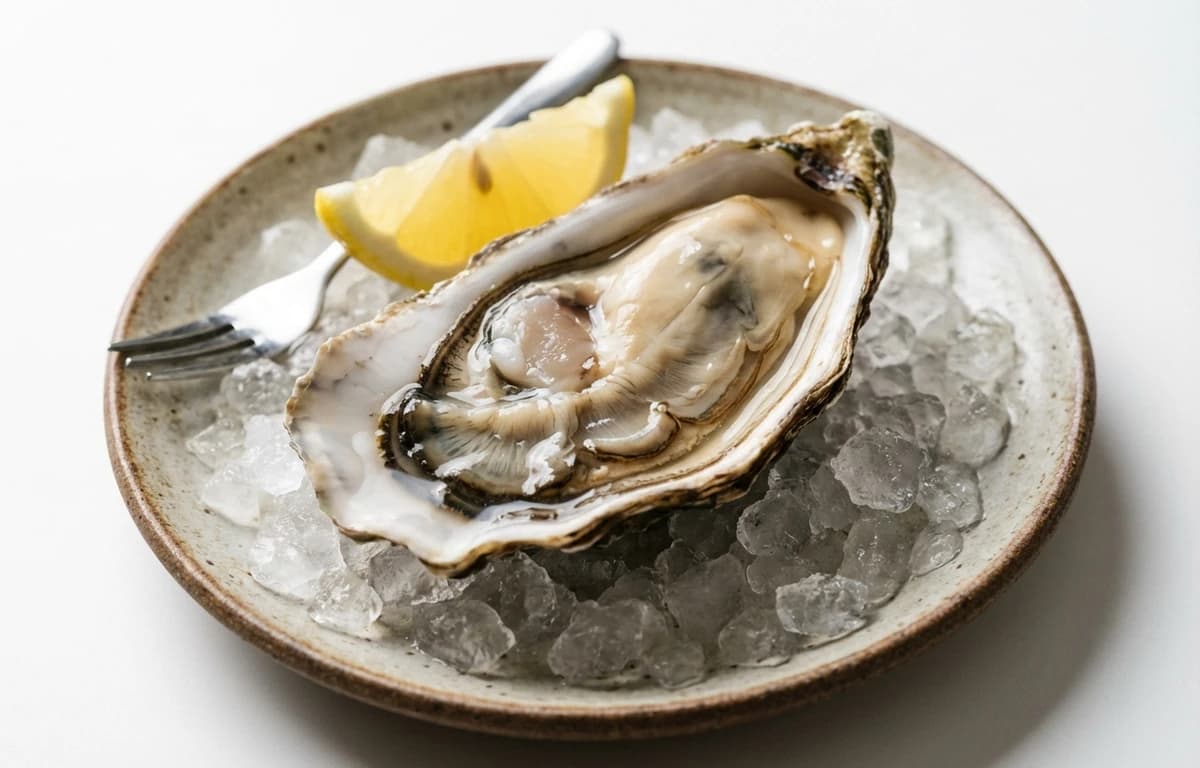
Scrub the shells under cold water, then shuck them using an oyster knife to sever the adductor muscle. Serve them chilled on the half-shell over a bed of crushed ice with simple accompaniments like lemon wedges, mignonette sauce, or horseradish.
You can freeze oysters, but their texture will change, making them unsuitable for raw consumption after thawing. If you freeze them, it is best to shuck them first and store them in their liquor; use the thawed oysters for cooked dishes like stews or chowders.
Oysters contain a moderate amount of cholesterol, but they are very low in saturated fat and high in omega-3s. For most people, the healthy fats and high mineral content outweigh the cholesterol concerns when eaten as part of a balanced diet.
Pacific oysters are known for a sweet, creamy flavor profile compared to other varieties. They typically have a briny start with a clean, often fruity or cucumber-like finish, depending on the specific waters where they were harvested.