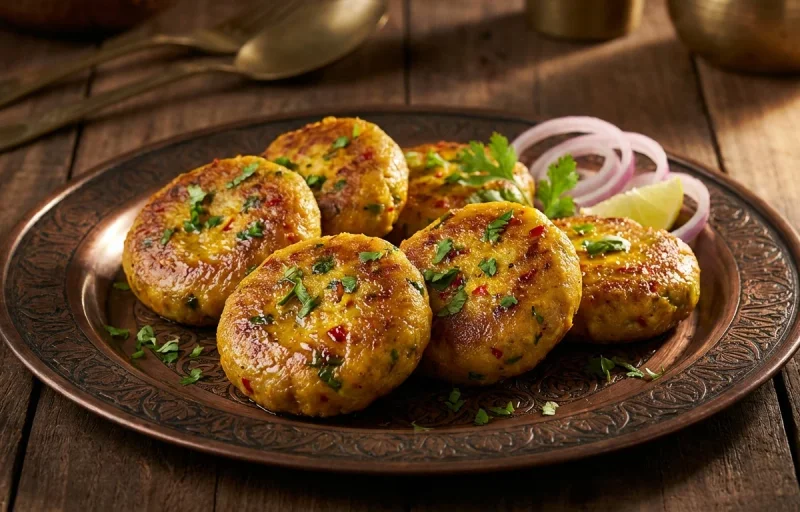
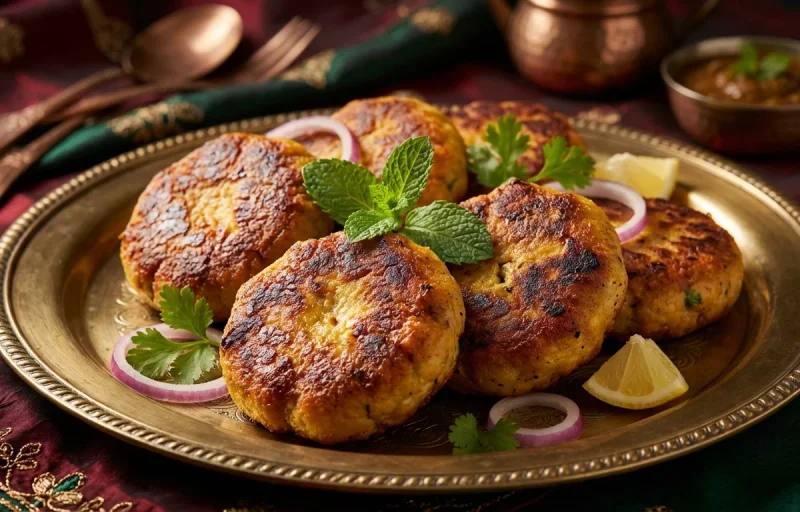
Other3 recipes
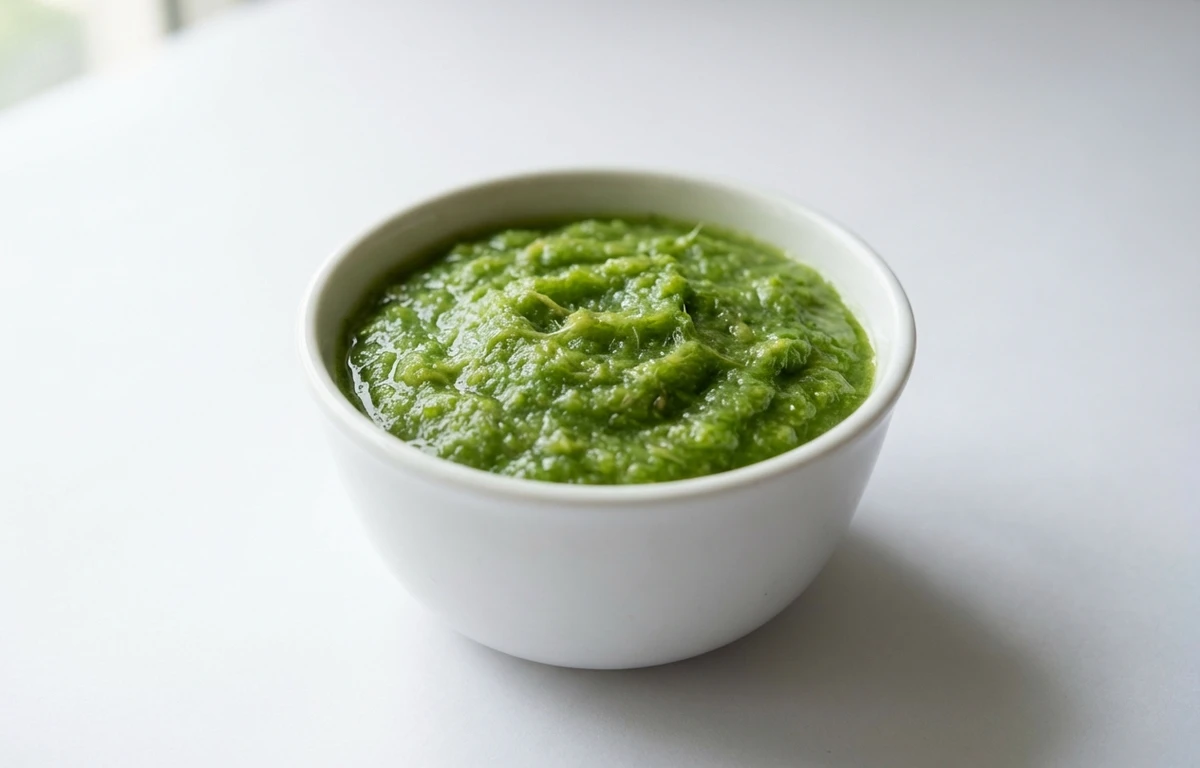
raw papaya paste.
VegetarianVeganGluten-freeDairy-freeNut-freePeanut-freeSoy-freeEgg-freeShellfish-freeHoney-freeAlcohol-free
ALSO KNOWN AS
unripe papaya pastegreen papaya pastekachcha papita paste
SERVING
CALORIES
43
PROTEIN
0.47g
CARBS
10.8g
FAT
0.26g
FIBER
1.7g
NUTRITION PROFILE · per 100 g
Everything in this ingredient.
MACRONUTRIENTS
Calories43kcal—
Protein0.47g1%
Carbohydrates10.8g4%
Fiber1.7g6%
Sugar7.8g16%
Total fat0.26g0%
Saturated fat0.07g0%
Cholesterol0mg0%
Water88.8g—
MINERALS
Sodium3.0mg0%
Potassium182mg4%
Calcium20mg2%
Iron0.25mg1%
Magnesium21mg5%
Phosphorus10mg1%
Zinc0.08mg1%
Copper0.05mg6%
Manganese0.04mg2%
Selenium0.60µg1%
VITAMINS
Vitamin A47µg5%
Vitamin C61.8mg69%
Vitamin D0µg0%
Vitamin E0.30mg2%
Vitamin K2.6µg2%
Thiamin (B1)0.03mg3%
Riboflavin (B2)0.03mg2%
Niacin (B3)0.34mg2%
Pantothenic acid (B5)0.22mg4%
Vitamin B60.02mg1%
Folate (B9)37µg9%
%DV based on a 2,000 cal diet. Source: USDA FoodData Central. A dash in the %DV column means there’s no established Daily Value for that nutrient.
MEASUREMENT CONVERSIONS
How much is what.
1 cup145g
1 tablespoon9.1g
1 teaspoon3g
1 ml1g
1 liter604g
HEALTH BENEFITS
Why eat it.
- ✓Acts as a natural meat tenderizer due to the enzyme papain, which breaks down tough protein fibers.
- ✓Aids in digestion by helping to break down proteins in the gut, potentially reducing bloating and indigestion.
- ✓Rich in antioxidants like carotenoids and vitamin C, which help combat oxidative stress.
- ✓Contains enzymes that may have anti-inflammatory properties.
COOKING TIPS
In the kitchen.
- 1Use as a marinade for tough cuts of meat like mutton, lamb, or beef. Apply about 1-2 tablespoons of paste per kilogram of meat.
- 2Do not marinate meat for more than a few hours (typically 1-4 hours is sufficient), as the enzymes can over-tenderize the meat, making it mushy.
- 3The paste has a relatively neutral flavor, so it won't significantly alter the taste of your dish, making it a versatile tenderizer.
- 4Can be added to lentil or bean dishes to help soften them and make them more digestible.
STORAGE
Keep it fresh.
- Store fresh paste in an airtight container in the refrigerator for up to 3-4 days.
- For long-term storage, freeze the paste in an ice cube tray and transfer the frozen cubes to a freezer-safe bag for up to 3 months.
FAQ
Frequently asked questions.
Is raw papaya paste healthy?
Yes, raw papaya paste is very healthy as it is low in calories (43 per 100g) and rich in Vitamin C and antioxidants. Its most notable health benefit is the enzyme papain, which supports digestive health and has anti-inflammatory properties.
How do you use raw papaya paste as a meat tenderizer?
To tenderize meat, apply 1 to 2 tablespoons of raw papaya paste per kilogram of meat and marinate for 30 minutes to 2 hours. The papain enzyme breaks down tough protein fibers, resulting in a much softer texture after cooking.
How does raw papaya paste aid in digestion?
The enzyme papain found in the paste helps the body break down proteins in the gut more efficiently. This can help alleviate symptoms of bloating, indigestion, and constipation, especially after consuming high-protein meals.
Is raw papaya paste keto-friendly?
Yes, raw papaya paste is keto-friendly. It contains approximately 10.8g of carbohydrates per 100g, and since it is typically used in small quantities for marinades, it adds negligible carbs to your overall meal.
What does raw papaya paste taste like?
Raw papaya paste has a very mild, neutral, and slightly bitter flavor. Unlike ripe papaya, it is not sweet, which makes it an ideal ingredient for savory marinades as it won't significantly alter the flavor profile of the dish.
How should I store raw papaya paste and how long does it last?
Fresh raw papaya paste can be stored in an airtight container in the refrigerator for 2 to 3 days. For long-term storage, freeze the paste in ice cube trays for up to 3 months; the tenderizing enzymes remain active even after freezing.
Is raw papaya paste vegan and gluten-free?
Yes, raw papaya paste is 100% plant-based and naturally gluten-free. It is a clean-label alternative to commercial meat tenderizers that may contain additives, MSG, or gluten-based fillers.
Do I need to peel the papaya before making the paste?
It is actually recommended to keep the green skin on when grinding the paste, as the skin contains a high concentration of the tenderizing enzyme papain. Simply wash the fruit thoroughly and remove the seeds before blending.
Can raw papaya paste be eaten raw?
While raw papaya paste is safe to consume raw in small amounts for digestive benefits, it is quite bitter and unpalatable on its own. It is most commonly used as a cooking aid or mixed into other juices for health purposes.
Are there any precautions for using raw papaya paste?
Pregnant women are generally advised to avoid raw papaya products because the high concentration of latex in the unripe fruit may trigger uterine contractions. Always consult a healthcare provider if you have concerns during pregnancy.
RECIPES
Cook with raw papaya paste.
3 recipes · sorted by what’s quick