Legume
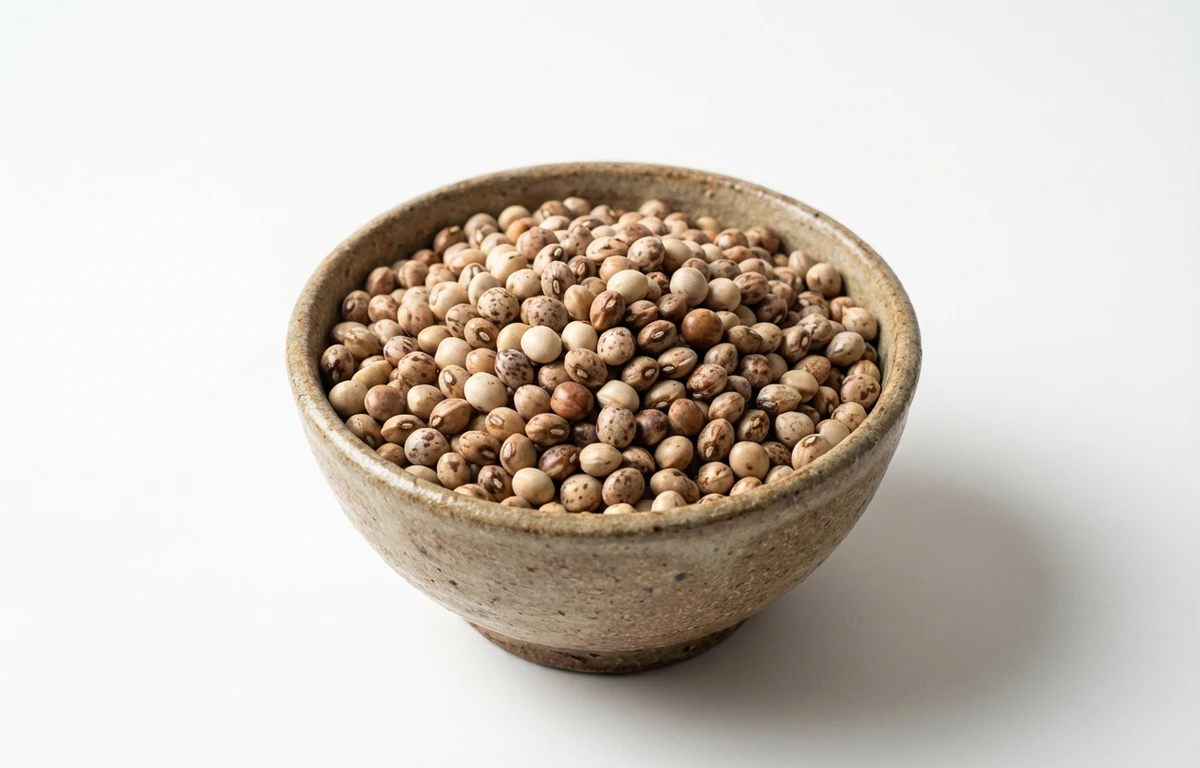
raw pigeonpeas.
VegetarianVeganGluten-freeDairy-freeNut-freePeanut-freeSoy-freeEgg-freeShellfish-freeHoney-freeAlcohol-free
ALSO KNOWN AS
arhar
SERVING
CALORIES
136
PROTEIN
7.2g
CARBS
23.9g
FAT
1.6g
FIBER
5.1g
NUTRITION PROFILE · per 100 g
Everything in this ingredient.
MACRONUTRIENTS
Calories136kcal—
Protein7.2g14%
Carbohydrates23.9g9%
Fiber5.1g18%
Sugar3.0g6%
Total fat1.6g2%
Saturated fat0.35g2%
Trans fat0g—
Cholesterol0mg0%
Water65.9g—
MINERALS
Sodium5.0mg0%
Potassium552mg12%
Calcium42mg3%
Iron1.6mg9%
Magnesium68mg16%
Phosphorus127mg10%
Zinc1.0mg9%
Copper0.13mg14%
Manganese0.57mg25%
Selenium1.5µg3%
VITAMINS
Vitamin A3.0µg0%
Vitamin C39mg43%
Vitamin D0µg0%
Vitamin E0.39mg3%
Vitamin K24µg20%
Thiamin (B1)0.40mg33%
Riboflavin (B2)0.17mg13%
Niacin (B3)2.2mg14%
Pantothenic acid (B5)0.68mg14%
Vitamin B60.07mg4%
Folate (B9)173µg43%
Vitamin B120µg0%
%DV based on a 2,000 cal diet. Source: USDA FoodData Central. A dash in the %DV column means there’s no established Daily Value for that nutrient.
MEASUREMENT CONVERSIONS
How much is what.
1 cup154g
1 tablespoon9.6g
1 teaspoon3.2g
1 ml0.6g
1 liter641.7g
HEALTH BENEFITS
Why eat it.
- ✓Excellent source of plant-based protein and dietary fiber, which aids in digestion, promotes satiety, and helps manage weight.
- ✓Rich in folate (Vitamin B9), essential for DNA synthesis and cell growth, making it particularly important during pregnancy.
- ✓Provides key minerals like potassium for blood pressure regulation, manganese for antioxidant functions, and iron for preventing anemia.
- ✓Has a low glycemic index, which helps in the slow release of sugar into the bloodstream, beneficial for managing blood glucose levels.
COOKING TIPS
In the kitchen.
- 1Rinse pigeonpeas under cold water before use to remove any dust or debris. Soaking them for 4-8 hours or overnight can reduce cooking time and improve digestibility.
- 2To cook, use a ratio of 1 part peas to 3 parts water or broth. Bring to a boil, then reduce heat and simmer for 60-90 minutes (or 30-45 minutes if soaked) until tender.
- 3Pigeonpeas have a nutty, slightly sweet flavor and are versatile in dishes like Indian dals, Caribbean rice and peas, soups, and stews.
- 4For a creamier texture in dals or soups, cook them until they are very soft and begin to break down, then mash or blend them slightly.
STORAGE
Keep it fresh.
- Store dried, raw pigeonpeas in an airtight container in a cool, dark, and dry place, such as a pantry or cupboard.
- When stored properly, they can maintain their quality for at least a year. Avoid exposure to moisture, heat, and direct sunlight.
FAQ
Frequently asked questions.
Are raw pigeonpeas healthy?
Yes, raw pigeonpeas are highly nutritious, offering a rich source of plant-based protein, dietary fiber, and essential minerals like potassium and iron. They support heart health and digestion while providing sustained energy due to their low glycemic index.
How much protein and calories are in raw pigeonpeas?
A 100g serving of raw pigeonpeas contains approximately 136 calories and 7.2g of protein. They also provide about 23.88g of carbohydrates and a low fat content of 1.64g, making them a lean source of energy.
Are pigeonpeas good for weight loss?
Yes, their high fiber and protein content promotes satiety, which helps you feel full for longer and can reduce overall calorie intake. The slow-digesting carbohydrates also help prevent blood sugar spikes that often lead to cravings.
Are pigeonpeas vegan and gluten-free?
Yes, pigeonpeas are naturally vegan and gluten-free. They are an excellent plant-based protein alternative for those on a vegan diet and a safe, nutrient-dense carbohydrate source for individuals with celiac disease or gluten sensitivity.
Are pigeonpeas keto-friendly?
Pigeonpeas are generally not considered keto-friendly because they contain about 23.88g of carbohydrates per 100g. While they are a healthy complex carb, the net carb count is typically too high for a strict ketogenic diet.
How do you prepare and cook raw pigeonpeas?
If using dried pigeonpeas, soak them for 4-8 hours before boiling for 45-60 minutes until tender. Fresh green pigeonpeas do not require soaking and can be boiled or steamed in 15-20 minutes for use in salads, stews, or rice dishes.
What do pigeonpeas taste like?
Pigeonpeas have a mild, nutty, and slightly earthy flavor with a texture that remains somewhat firm even after cooking. They are excellent at absorbing the flavors of spices, making them a staple in Caribbean and Indian cuisines.
How should I store raw pigeonpeas?
Dried pigeonpeas should be kept in an airtight container in a cool, dry place for up to 12 months. Fresh green pigeonpeas should be refrigerated and used within 3-5 days, or they can be blanched and frozen for up to 6 months.
Can I eat pigeonpeas raw?
It is not recommended to eat pigeonpeas raw as they contain anti-nutrients like lectins and phytates that can interfere with mineral absorption and cause digestive upset. Cooking neutralizes these compounds and makes the protein easier to digest.
Are pigeonpeas beneficial during pregnancy?
Yes, they are an excellent source of folate (Vitamin B9), which is essential for DNA synthesis and preventing neural tube defects. Their iron content also helps support the increased blood volume requirements during pregnancy.