
Loading...
Per 100g
Nutrition data source: USDA FoodData Central
Common measurement equivalents in grams
Yes, raw pine nuts are highly nutritious and rich in heart-healthy monounsaturated fats, including pinolenic acid. They are an excellent source of manganese for bone health and magnesium for nerve function, though they should be eaten in moderation due to their high calorie density.
A 100g serving of raw pine nuts contains approximately 13.7g of protein and 68.4g of fat. While the fat content is high, it consists mostly of healthy unsaturated fats that support cardiovascular health and help lower LDL cholesterol.
Yes, pine nuts are very keto-friendly because they are high in healthy fats and relatively low in net carbohydrates, with about 13.1g of total carbs per 100g. They provide the sustained energy and healthy fats required for a ketogenic diet.
Raw pine nuts are naturally vegan and gluten-free, as they are seeds harvested from pine cones. They are a safe and nutrient-dense option for individuals with celiac disease or those following a plant-based lifestyle.
Raw pine nuts have a mild, sweet, and buttery flavor with a soft, creamy texture. When toasted, their flavor becomes more intense, nutty, and aromatic, which is why they are a staple in Mediterranean cuisine.
While they can be eaten raw, they are most commonly toasted in a dry skillet over medium heat for 2-3 minutes until golden brown. They are the primary ingredient in traditional pesto and make excellent toppings for salads, pasta, and hummus.
Due to their high oil content, pine nuts can go rancid quickly at room temperature. Store them in an airtight container in the refrigerator for up to 3 months, or in the freezer for up to 9 months to maintain their freshness.
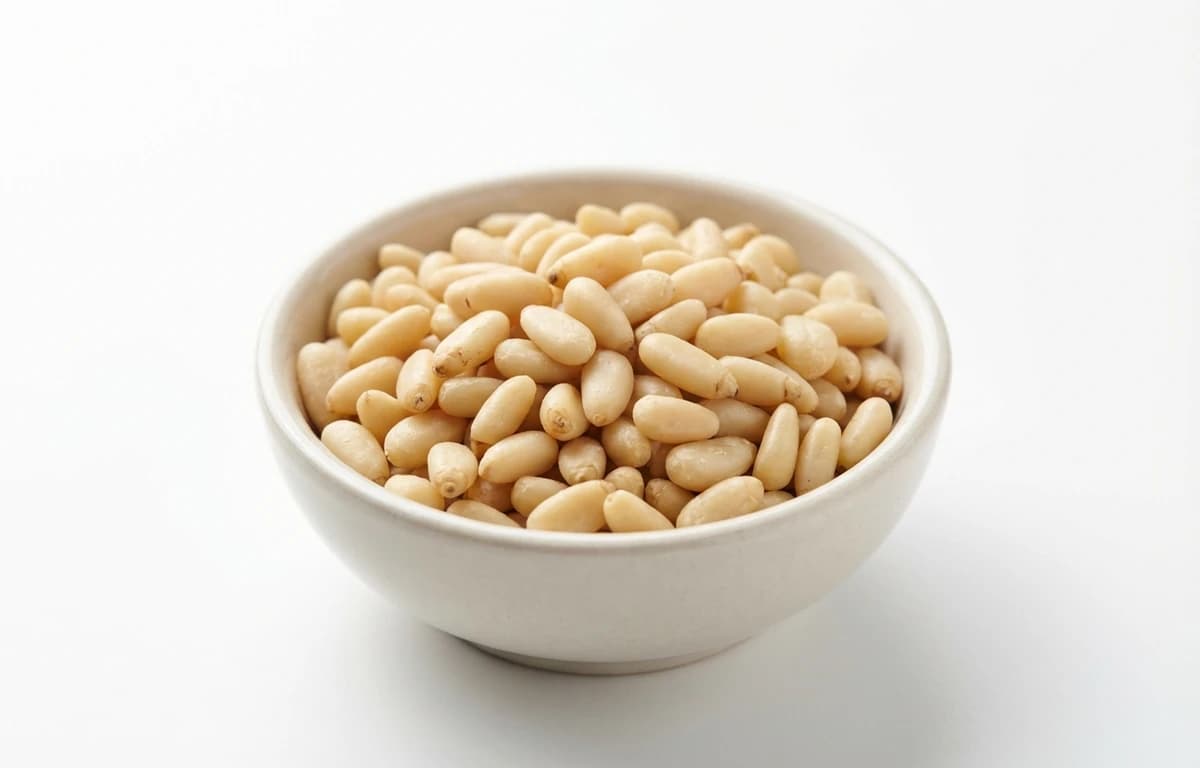
raw pine nuts is a versatile ingredient found in cuisines around the world. With 673 calories per 100g and 13.7 grams of protein, it's a nutritious addition to many dishes.
Explore more ingredients in the nut seed category with complete nutrition information.
View all nut seed →Discover 0 recipes featuring raw pine nuts with step-by-step instructions.
Browse recipes →Spoiled pine nuts will develop a sharp, bitter, or metallic smell and a sour taste. If the nuts appear shriveled, discolored, or have a noticeable 'off' odor, they have likely gone rancid and should be discarded.
Yes, pine nuts contain the antioxidants lutein and zeaxanthin. These compounds are known to help filter harmful UV light and may protect the eyes from age-related macular degeneration and other oxidative damage.
Pine nut syndrome is a rare, harmless condition where a person experiences a bitter or metallic taste in their mouth after eating certain varieties of pine nuts. This sensation can last from a few days to two weeks but typically resolves on its own without medical intervention.