
Fruit
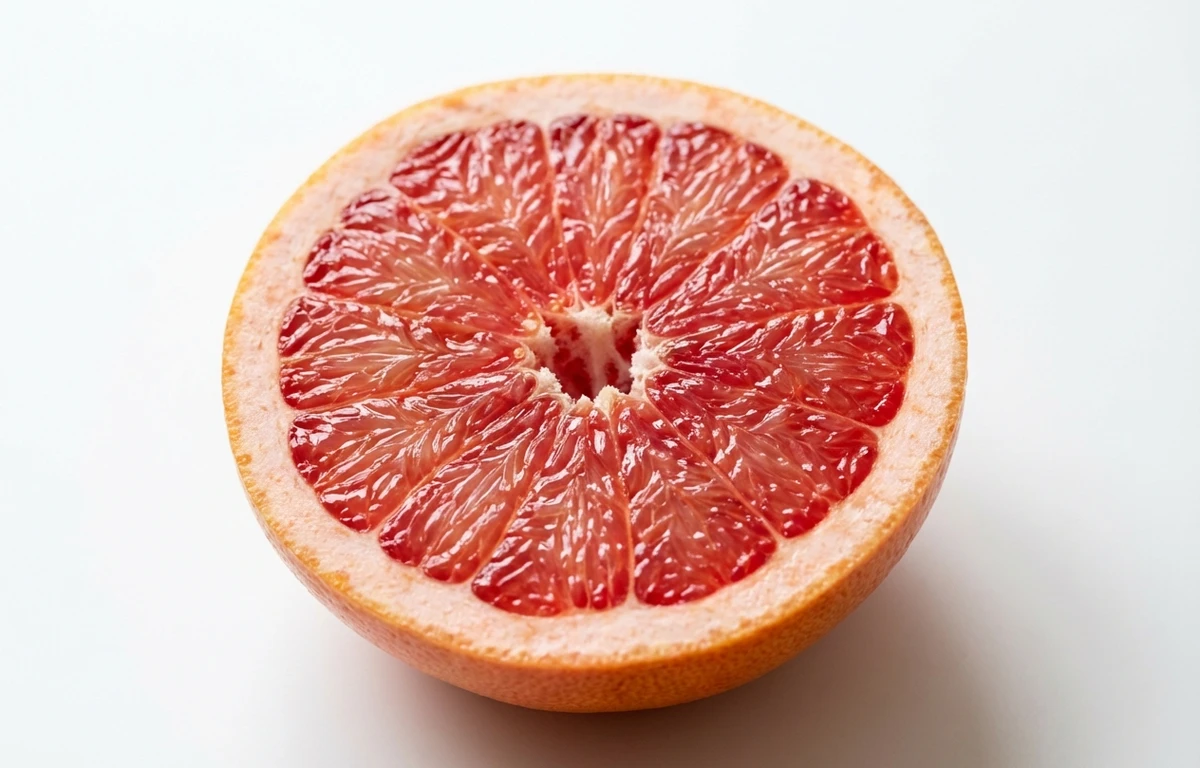
raw pink and red grapefruit.
VegetarianVeganGluten-freeDairy-freeNut-freePeanut-freeSoy-freeEgg-freeShellfish-freeHoney-freeAlcohol-free
ALSO KNOWN AS
chakotra
SERVING
CALORIES
42
PROTEIN
0.77g
CARBS
10.7g
FAT
0.14g
FIBER
1.6g
NUTRITION PROFILE · per 100 g
Everything in this ingredient.
MACRONUTRIENTS
Calories42kcal—
Protein0.77g2%
Carbohydrates10.7g4%
Fiber1.6g6%
Sugar6.9g14%
Total fat0.14g0%
Saturated fat0.02g0%
Trans fat0g—
Cholesterol0mg0%
Water88.1g—
MINERALS
Sodium0mg0%
Potassium135mg3%
Calcium22mg2%
Iron0.08mg0%
Magnesium9.0mg2%
Phosphorus18mg1%
Zinc0.07mg1%
Copper0.03mg3%
Manganese0.02mg1%
Selenium0.10µg0%
VITAMINS
Vitamin A58µg6%
Vitamin C31.2mg35%
Vitamin D0µg0%
Vitamin E0.13mg1%
Vitamin K0µg0%
Thiamin (B1)0.04mg3%
Riboflavin (B2)0.03mg2%
Niacin (B3)0.20mg1%
Pantothenic acid (B5)0.26mg5%
Vitamin B60.05mg3%
Folate (B9)13µg3%
Vitamin B120µg0%
%DV based on a 2,000 cal diet. Source: USDA FoodData Central. A dash in the %DV column means there’s no established Daily Value for that nutrient.
MEASUREMENT CONVERSIONS
How much is what.
1 cup230g
1 tablespoon14.4g
1 teaspoon4.8g
1 ml1g
1 liter958.3g
HEALTH BENEFITS
Why eat it.
- ✓Excellent source of Vitamin C and Vitamin A, which support immune function and vision.
- ✓Rich in antioxidants like lycopene (in pink/red varieties) and flavonoids, which help protect cells from damage.
- ✓High in fiber and water content, promoting hydration and feelings of fullness, which can aid in weight management.
- ✓Contains potassium, which can help manage blood pressure and support heart health.
- ✓Note: Grapefruit can interact with certain medications, including statins and blood pressure drugs. Consult a healthcare professional if you are on medication.
COOKING TIPS
In the kitchen.
- 1To supreme the fruit, slice off the top and bottom, then use a sharp knife to cut away the peel and white pith. Cut between the membranes to release the segments for salads or desserts.
- 2For a warm dish, halve a grapefruit, sprinkle with a touch of brown sugar or cinnamon, and broil for 3-5 minutes until the top is caramelized.
- 3Incorporate fresh grapefruit segments into savory salads with ingredients like avocado, fennel, arugula, and grilled shrimp or chicken.
- 4Use freshly squeezed grapefruit juice as a bright, acidic base for marinades, vinaigrettes, cocktails, or mocktails.
STORAGE
Keep it fresh.
- Store whole grapefruit at room temperature for up to one week.
- For longer storage, place whole grapefruit in the crisper drawer of the refrigerator for up to three weeks.
- Once cut, store segments in an airtight container in the refrigerator and consume within 3-4 days.
FAQ
Frequently asked questions.
Is pink and red grapefruit healthy?
Yes, grapefruit is highly nutritious, providing significant amounts of Vitamin C and Vitamin A to support immune function and skin health. It is low in calories (42 per 100g) and contains beneficial antioxidants like lycopene and flavonoids that protect cells from oxidative damage.
Is grapefruit good for weight loss?
Grapefruit is an excellent food for weight management because it is high in water and fiber, which helps promote a feeling of fullness. Its low calorie density allows you to eat a satisfying portion while consuming relatively few calories.
Does grapefruit interact with medications?
Yes, grapefruit can interact with several types of medications, including certain statins, blood pressure drugs, and anti-anxiety medications. It contains compounds that interfere with the enzymes that break down these drugs; always consult a healthcare professional if you are on medication.
Is grapefruit keto-friendly?
Grapefruit is moderately high in carbohydrates, with about 10.7g of carbs per 100g. While it can be included in a keto diet in small portions, it may be difficult to fit a whole fruit into a strict daily carb limit.
Can diabetics eat grapefruit?
Grapefruit has a low glycemic index, meaning it has a relatively small impact on blood sugar levels compared to other fruits. However, individuals with diabetes should still monitor portion sizes and be aware of potential interactions with diabetes medications.
What does pink and red grapefruit taste like?
Pink and red grapefruits are generally sweeter and less acidic than white varieties. They offer a complex flavor profile that is simultaneously tart, tangy, and slightly bitter, with the red variety typically being the sweetest.
How do you prepare a raw grapefruit for eating?
The most common method is to slice the fruit in half horizontally and use a spoon to scoop out the individual segments. You can also peel it like an orange or use a knife to 'supreme' it, removing the skin, white pith, and membranes to get clean fruit segments.
How should I store grapefruit and how long does it last?
Grapefruit can be stored at room temperature for about one week. To extend its shelf life to two or three weeks, store it in the crisper drawer of your refrigerator. Once sliced, it should be wrapped tightly and eaten within 3-4 days.
How can I tell if a grapefruit is fresh and ripe?
Choose grapefruits that feel heavy for their size, as this indicates they are full of juice. The skin should be smooth, firm, and brightly colored; avoid fruits that have soft spots, a dull appearance, or feel light and hollow.
What is the difference between pink/red and white grapefruit?
The primary difference is the presence of lycopene and beta-carotene in pink and red varieties, which provide their color and extra antioxidant benefits. Pink and red grapefruits also tend to be sweeter and less bitter than the traditional white variety.



















