
Legume
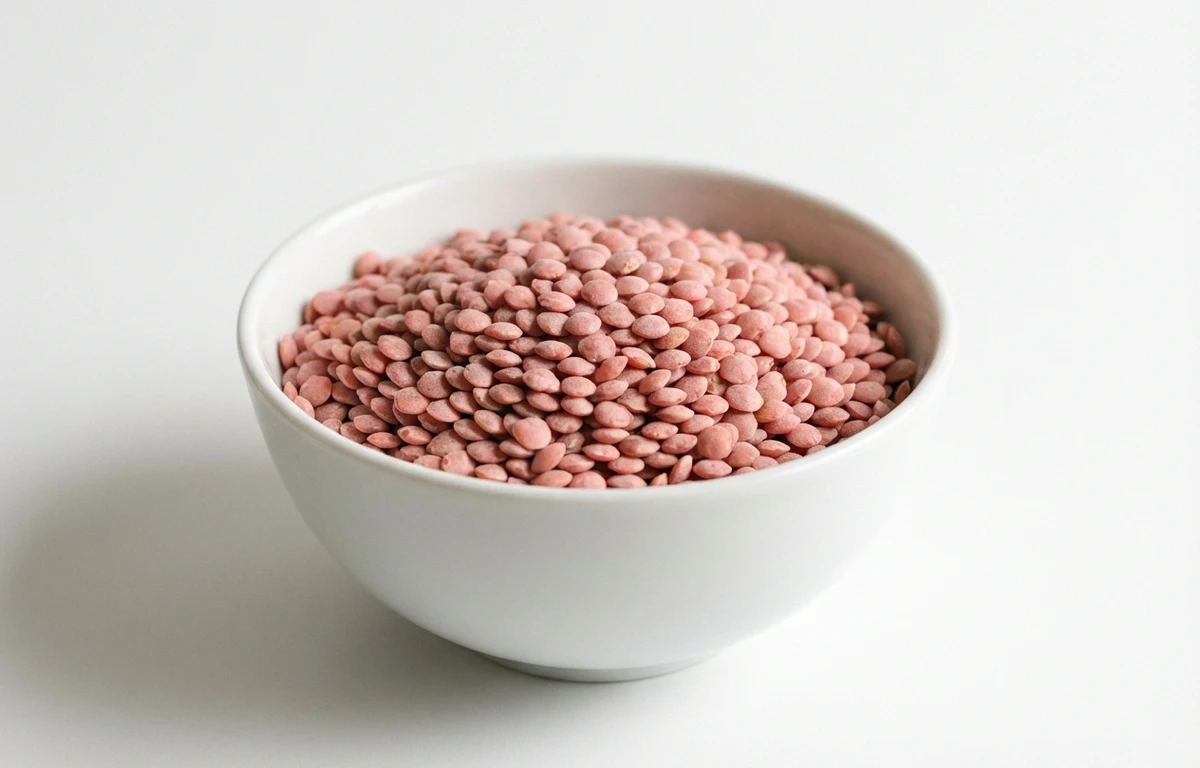
raw pink lentils.
VegetarianVeganGluten-freeDairy-freeNut-freePeanut-freeSoy-freeEgg-freeShellfish-freeHoney-freeAlcohol-free
SERVING
CALORIES
358
PROTEIN
24.6g
CARBS
63.1g
FAT
1.1g
FIBER
10.8g
NUTRITION PROFILE · per 100 g
Everything in this ingredient.
MACRONUTRIENTS
Calories358kcal—
Protein24.6g49%
Carbohydrates63.1g23%
Fiber10.8g39%
Sugar2.0g4%
Total fat1.1g1%
Saturated fat0.16g1%
Trans fat0g—
Cholesterol0mg0%
Water10.4g—
MINERALS
Sodium6.0mg0%
Potassium677mg14%
Calcium35mg3%
Iron6.5mg36%
Magnesium47mg11%
Phosphorus281mg22%
Zinc3.3mg30%
Copper0.70mg78%
Manganese1.3mg57%
Selenium42.5µg77%
VITAMINS
Vitamin A2.0µg0%
Vitamin C4.4mg5%
Vitamin D0µg0%
Vitamin E0.10mg1%
Vitamin K5.0µg4%
Thiamin (B1)0.50mg42%
Riboflavin (B2)0.10mg8%
Niacin (B3)1.5mg9%
Pantothenic acid (B5)0.60mg12%
Vitamin B60.40mg24%
Folate (B9)479µg120%
Vitamin B120µg0%
%DV based on a 2,000 cal diet. Source: USDA FoodData Central. A dash in the %DV column means there’s no established Daily Value for that nutrient.
MEASUREMENT CONVERSIONS
How much is what.
1 cup192g
1 tablespoon12g
1 teaspoon4g
1 ml0.8g
1 liter800g
HEALTH BENEFITS
Why eat it.
- ✓Excellent source of plant-based protein and dietary fiber, which aids in digestion and promotes satiety.
- ✓Rich in folate, a B-vitamin crucial for cell growth and metabolism, and particularly important during pregnancy.
- ✓High in iron and manganese, supporting energy production and antioxidant functions.
- ✓Low glycemic index helps regulate blood sugar levels, making them beneficial for individuals with diabetes.
COOKING TIPS
In the kitchen.
- 1Pink lentils cook very quickly, typically in 10-15 minutes, and do not require pre-soaking.
- 2Rinse lentils under cold running water before cooking to remove any dust or debris.
- 3They break down easily and become soft and creamy, making them ideal for soups, stews, purees, and traditional dishes like dal.
- 4Use a cooking ratio of approximately 1 part lentils to 3 parts water or broth.
STORAGE
Keep it fresh.
- Store raw pink lentils in an airtight container in a cool, dark, and dry place, such as a pantry.
- When stored properly, they can maintain their quality for up to one year.
FAQ
Frequently asked questions.
Are pink lentils healthy?
Yes, pink lentils are highly nutritious, providing 24.6g of protein and significant dietary fiber per 100g. They are rich in folate, iron, and manganese, which support heart health, energy levels, and cell growth.
Are pink lentils good for weight loss?
Pink lentils are excellent for weight management because they are high in fiber and protein, which promote satiety and keep you full longer. With only 1.1g of fat per 100g, they are a low-fat, nutrient-dense food choice.
Are pink lentils gluten-free?
Naturally, pink lentils are gluten-free and safe for those with celiac disease or gluten sensitivity. However, always check the packaging for potential cross-contamination if they were processed in a facility that handles wheat.
Are pink lentils keto-friendly?
No, pink lentils are generally not considered keto-friendly as they contain about 63.1g of carbohydrates per 100g. While they are healthy complex carbs, they are too high in starch for a strict ketogenic diet.
Do I need to soak pink lentils before cooking?
Unlike many other legumes, pink lentils do not require soaking. Because they are usually split and have their skins removed, they cook very quickly, typically in 15 to 20 minutes.
How do you cook pink lentils?
Rinse them thoroughly, then combine 1 cup of lentils with 3 cups of water or broth. Bring to a boil, then simmer for 15-20 minutes until tender; they tend to soften and lose their shape, making them perfect for soups and dals.
What do pink lentils taste like?
Pink lentils have a mild, slightly sweet, and earthy flavor. Their soft texture when cooked allows them to absorb the flavors of spices and aromatics very well, making them a versatile base for many dishes.
Can I eat pink lentils raw?
No, you should not eat pink lentils raw. Raw lentils contain lectins and phytates that can cause digestive distress and interfere with nutrient absorption; cooking neutralizes these compounds and makes the lentils digestible.
How should I store raw pink lentils?
Store raw pink lentils in an airtight container in a cool, dry, and dark place like a pantry. When stored properly, they can remain fresh and safe to eat for up to a year or even longer.
Are pink lentils good for diabetics?
Yes, pink lentils have a low glycemic index, which means they cause a slower, more gradual rise in blood sugar levels. Their high fiber content also helps improve insulin sensitivity and glucose regulation.



















