
Fruit10 recipes
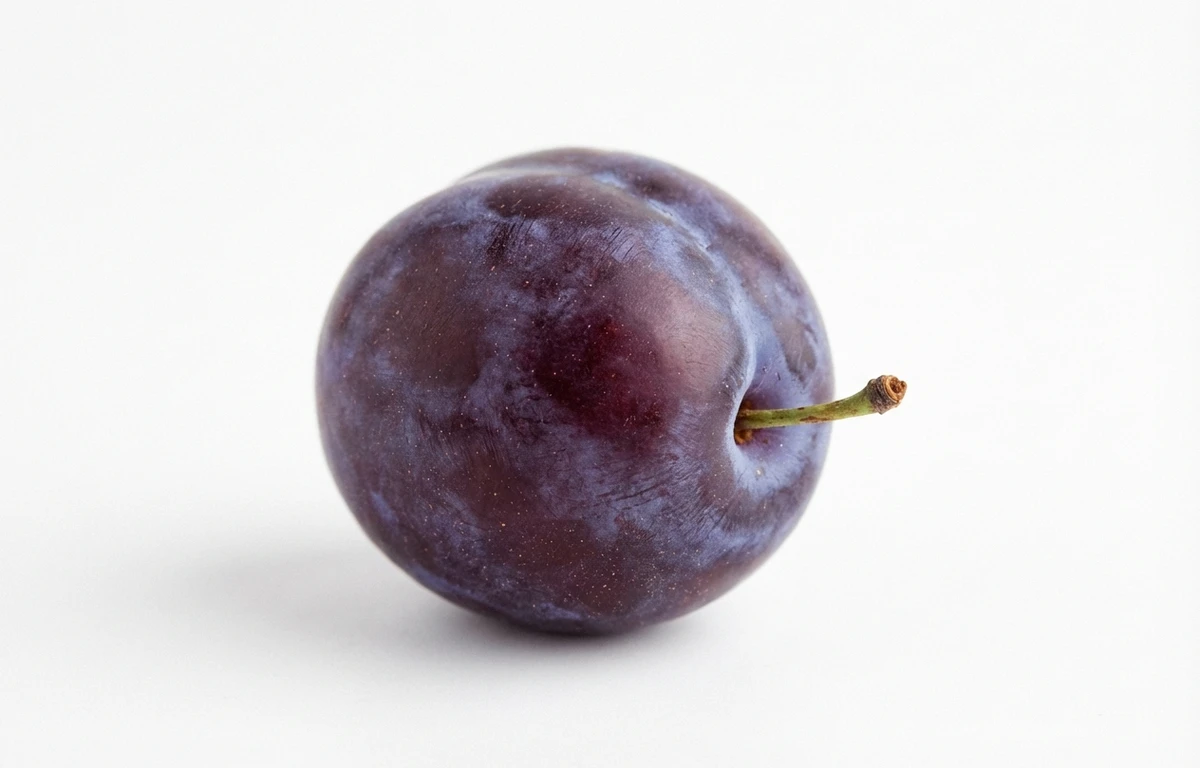
raw plum.
VegetarianVeganGluten-freeDairy-freeNut-freePeanut-freeSoy-freeEgg-freeShellfish-freeHoney-freeAlcohol-freeHalalKosher
SERVING
CALORIES
46
PROTEIN
0.70g
CARBS
11.4g
FAT
0.28g
FIBER
1.4g
NUTRITION PROFILE · per 100 g
Everything in this ingredient.
MACRONUTRIENTS
Calories46kcal—
Protein0.70g1%
Carbohydrates11.4g4%
Fiber1.4g5%
Sugar9.9g20%
Total fat0.28g0%
Saturated fat0.02g0%
Trans fat0g—
Cholesterol0mg0%
Water87.2g—
MINERALS
Sodium0mg0%
Potassium157mg3%
Calcium6.0mg0%
Iron0.17mg1%
Magnesium7.0mg2%
Phosphorus16mg1%
Zinc0.10mg1%
Copper0.06mg7%
Manganese0.05mg2%
Selenium0µg0%
VITAMINS
Vitamin A17µg2%
Vitamin C9.5mg11%
Vitamin D0µg0%
Vitamin E0.26mg2%
Vitamin K6.4µg5%
Thiamin (B1)0.03mg3%
Riboflavin (B2)0.03mg2%
Niacin (B3)0.42mg3%
Pantothenic acid (B5)0.14mg3%
Vitamin B60.03mg2%
Folate (B9)5.0µg1%
Vitamin B120µg0%
%DV based on a 2,000 cal diet. Source: USDA FoodData Central. A dash in the %DV column means there’s no established Daily Value for that nutrient.
MEASUREMENT CONVERSIONS
How much is what.
1 cup165g
1 tablespoon10.3g
1 teaspoon3.4g
1 ml0.7g
1 liter687.5g
1 piece66g
HEALTH BENEFITS
Why eat it.
- ✓Rich in antioxidants, such as anthocyanins and phenols, which help protect cells from damage caused by free radicals.
- ✓Good source of dietary fiber, which aids digestion, promotes regular bowel movements, and can help manage cholesterol levels.
- ✓Contains vitamins C and K, and potassium, supporting immune function, bone health, and blood pressure regulation.
- ✓May help lower blood sugar due to their low glycemic index and fiber content, which slows the absorption of sugar.
COOKING TIPS
In the kitchen.
- 1To easily pit a plum, slice it in half along its seam and gently twist the two halves apart.
- 2Roasting or grilling plums caramelizes their natural sugars, making them a delicious addition to salads, desserts, or savory meat dishes.
- 3Cook plums down with a little sugar and spices like cinnamon or star anise to create a versatile compote or sauce.
- 4When baking, toss sliced plums with a tablespoon of cornstarch or flour to prevent the filling from becoming too runny.
STORAGE
Keep it fresh.
- Store unripe plums at room temperature until they feel slightly soft to the touch.
- Once ripe, transfer plums to the refrigerator in a plastic bag or container where they will last for 3-5 days.
- Wash plums just before eating to preserve their natural protective bloom and prevent premature spoilage.
FAQ
Frequently asked questions.
Are raw plums healthy?
Yes, raw plums are very healthy as they are rich in antioxidants like anthocyanins and phenols which protect cells from damage. They are also a good source of vitamins C and K, potassium, and dietary fiber, supporting immune function and heart health.
Are plums good for weight loss?
Plums are an excellent choice for weight loss because they are low in calories, containing only 46 calories per 100g. Their high fiber content helps promote a feeling of fullness, which can reduce overall calorie intake.
Can diabetics eat raw plums?
Yes, plums are generally safe for diabetics because they have a low glycemic index. The fiber in plums slows down the absorption of sugar into the bloodstream, preventing rapid spikes in blood glucose levels.
Are plums keto-friendly?
Plums are moderately high in carbohydrates, with about 11.4g of carbs per 100g. While they can be included in a ketogenic diet in very small portions, they are not as keto-friendly as lower-carb fruits like blackberries or raspberries.
Do plums help with digestion?
Plums are well-known for aiding digestion due to their high dietary fiber content. They also contain sorbitol, a natural sugar alcohol that acts as a mild laxative to help maintain regular bowel movements.
Should I eat the skin of the plum?
Yes, you should eat the skin of the plum whenever possible. The skin contains the highest concentration of antioxidants, specifically anthocyanins, and provides a significant portion of the fruit's total fiber.
How do you know if a plum is ripe and ready to eat?
A ripe plum will feel heavy for its size and give slightly when gently squeezed in the palm of your hand. It should also have a sweet, fruity aroma at the stem end and a deep, consistent color.
How should raw plums be stored?
Unripe plums should be kept at room temperature until they soften. Once ripe, store them in the refrigerator in a plastic bag for up to 5 days to prevent them from becoming overripe or mushy.
What is the difference between a plum and a prune?
A prune is simply a dried version of specific plum varieties. While fresh plums are higher in vitamin C, prunes are more calorie-dense and contain higher concentrations of fiber and vitamin K per serving.
What do raw plums taste like?
Raw plums have a juicy, sweet flesh that contrasts with a slightly tart or tangy skin. The flavor can range from intensely sweet to mildly acidic depending on the specific variety and its level of ripeness.
RECIPES
Cook with raw plum.
10 recipes · sorted by what’s quick



















