
Loading...
Per 100g
Nutrition data source: USDA FoodData Central
Common measurement equivalents in grams
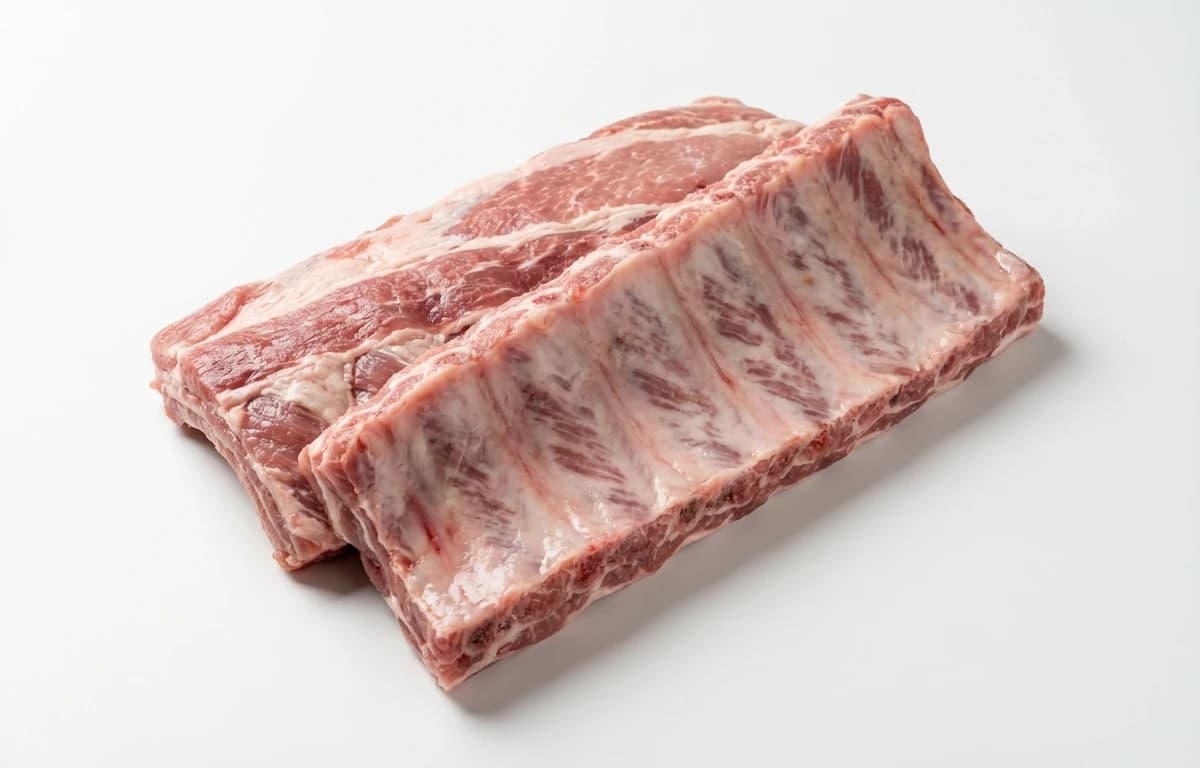
Pork backribs are a nutrient-dense source of high-quality protein, B vitamins, and minerals like zinc and selenium. While they provide essential nutrients for muscle repair and immune health, they are relatively high in fat and calories, so they should be enjoyed in moderation as part of a balanced diet.
A 100g serving of raw pork backribs contains approximately 19.07g of protein. This complete protein source provides all essential amino acids necessary for muscle growth, repair, and maintenance.
Yes, pork backribs are excellent for a ketogenic or low-carb diet because they contain 0g of carbohydrates and are high in fat (16.33g per 100g). To keep them keto-friendly, ensure you use dry rubs or sugar-free sauces rather than traditional sugary BBQ glazes.
Raw pork backribs are naturally gluten-free. However, many pre-packaged marinated ribs or commercial spice rubs and BBQ sauces contain gluten-based thickeners or additives, so always check the label if you have a gluten sensitivity.
Backribs are best cooked using 'low and slow' methods like smoking, slow-roasting in the oven, or using a slow cooker to break down the connective tissue. Finishing them on a grill or under a broiler for a few minutes helps achieve a caramelized exterior.
While pork is safe at 145°F (63°C), backribs are most tender when cooked to an internal temperature of 190°F to 203°F (88°C-95°C). You can also tell they are ready when the meat begins to pull back from the ends of the bones by about half an inch.
Raw pork backribs should be stored in the coldest part of your refrigerator and used within 3 to 5 days of purchase. Always keep them in their original vacuum-sealed packaging or wrapped tightly to prevent cross-contamination.
raw pork backribs is a versatile ingredient found in cuisines around the world. With 224 calories per 100g and 19.07 grams of protein, it's a nutritious addition to many dishes.
Explore more ingredients in the meat category with complete nutrition information.
View all meat →Discover 0 recipes featuring raw pork backribs with step-by-step instructions.
Browse recipes →Yes, you can freeze raw pork backribs for 4 to 6 months for optimal quality, though they remain safe to eat indefinitely if kept at 0°F. Wrap them tightly in freezer paper or heavy-duty aluminum foil to prevent freezer burn.
Backribs, often called baby back ribs, are cut from where the rib meets the spine and are leaner and smaller. Spare ribs are cut from the belly side, are larger and flatter, and generally contain more fat and bone.
Yes, pork backribs contain a good amount of heme iron, which is the form of iron most easily absorbed by the body compared to plant-based sources. This makes them beneficial for maintaining healthy energy levels and preventing anemia.