
Meat
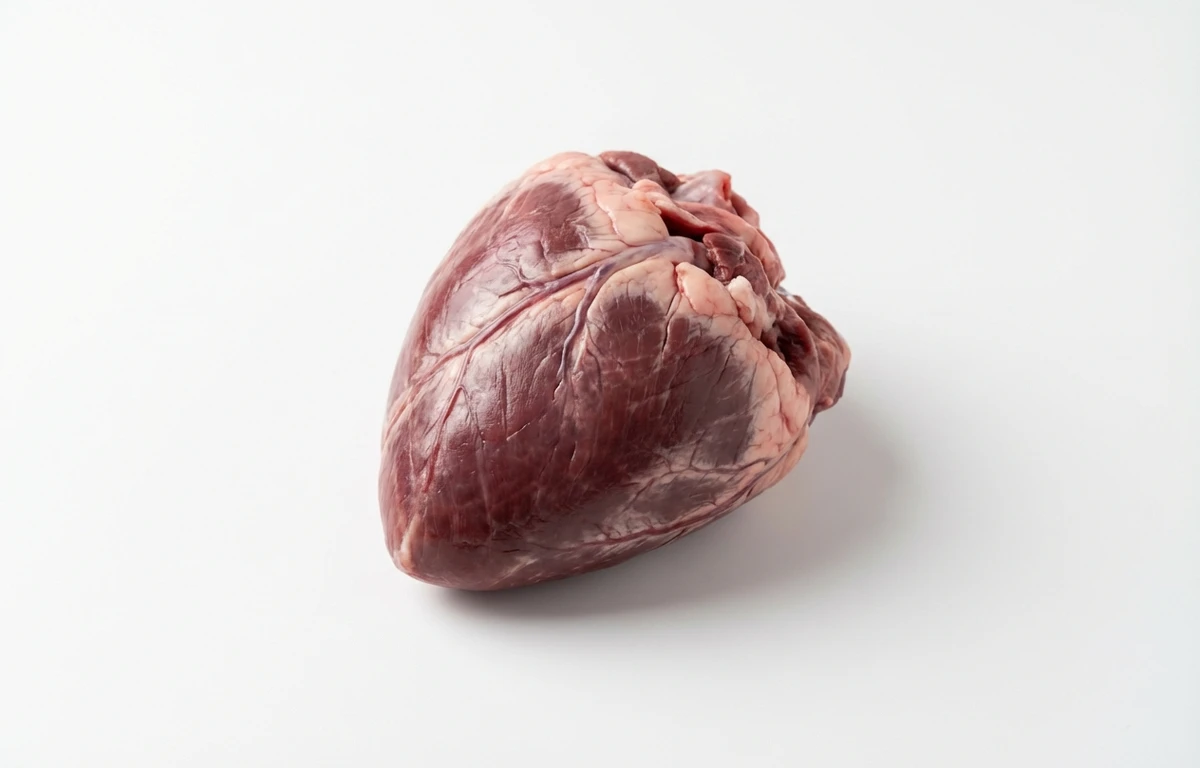
raw pork heart.
VegetarianVeganGluten-freeDairy-freeNut-freePeanut-freeSoy-freeEgg-freeShellfish-freeHoney-freeAlcohol-freeHalalKosher
ALSO KNOWN AS
pork heart
SERVING
CALORIES
118
PROTEIN
17.3g
CARBS
1.3g
FAT
4.4g
FIBER
0g
NUTRITION PROFILE · per 100 g
Everything in this ingredient.
MACRONUTRIENTS
Calories118kcal—
Protein17.3g35%
Carbohydrates1.3g0%
Fiber0g0%
Sugar0g0%
Total fat4.4g6%
Saturated fat1.2g6%
Cholesterol131mg44%
Water76.2g—
MINERALS
Sodium56mg2%
Potassium294mg6%
Calcium5.0mg0%
Iron4.7mg26%
Magnesium19mg5%
Phosphorus169mg14%
Zinc2.8mg25%
Copper0.41mg46%
Manganese0.06mg3%
Selenium10.4µg19%
VITAMINS
Vitamin A8.0µg1%
Vitamin C5.3mg6%
Vitamin E0.63mg4%
Thiamin (B1)0.61mg51%
Riboflavin (B2)1.2mg92%
Niacin (B3)6.8mg42%
Pantothenic acid (B5)2.5mg50%
Vitamin B60.39mg23%
Folate (B9)4.0µg1%
Vitamin B123.8µg158%
%DV based on a 2,000 cal diet. Source: USDA FoodData Central. A dash in the %DV column means there’s no established Daily Value for that nutrient.
MEASUREMENT CONVERSIONS
How much is what.
1 oz28.4g
1 lb453.6g
1 piece300g
HEALTH BENEFITS
Why eat it.
- ✓Extremely rich in Coenzyme Q10 (CoQ10), vital for cellular energy production and antioxidant protection.
- ✓Excellent source of B vitamins, especially B12, which is crucial for nerve function and red blood cell formation.
- ✓High in essential minerals like iron for oxygen transport, zinc for immune support, and selenium for thyroid function.
- ✓Provides a lean source of high-quality, complete protein necessary for muscle building and repair.
COOKING TIPS
In the kitchen.
- 1Before cooking, trim away the tough outer membrane, any visible fat, and the connective tissues (valves and arteries) inside for a more tender texture.
- 2Slice thinly and cook quickly over high heat (stir-frying, grilling) to keep it tender, or cube it and cook low and slow (braising, stewing) to break down the muscle fibers.
- 3Marinating the heart for a few hours in an acidic liquid like vinegar, wine, or citrus juice helps to tenderize the meat and infuse it with flavor.
- 4Ensure the internal temperature reaches at least 145°F (63°C) for safe consumption.
STORAGE
Keep it fresh.
- Refrigerate raw pork heart in a sealed container at or below 40°F (4°C) and use within 1-2 days of purchase.
- For long-term storage, wrap tightly in plastic wrap and foil or place in a freezer bag, and freeze at 0°F (-18°C) for up to 4 months.
FAQ
Frequently asked questions.
Is pork heart healthy?
Yes, pork heart is a highly nutritious organ meat that is exceptionally rich in Coenzyme Q10 (CoQ10), which supports cellular energy and heart health. It is also a lean source of protein and packed with B vitamins, iron, and zinc, making it a nutrient-dense addition to most diets.
How much protein and calories are in pork heart?
A 100g serving of raw pork heart contains approximately 118 calories and 17.27g of high-quality protein. It is relatively low in fat (4.36g) and very low in carbohydrates (1.33g), making it a lean and efficient protein source.
Is pork heart keto-friendly?
Yes, pork heart is excellent for keto and low-carb diets. With only 1.33g of carbohydrates per 100g serving, it fits easily into a ketogenic lifestyle while providing essential fats and high-quality protein.
What does pork heart taste like?
Pork heart has a mild, slightly metallic flavor that is more similar to lean beef than other organ meats like liver. Because it is a hard-working muscle, it has a dense, firm, and slightly chewy texture rather than a grainy or soft consistency.
How do you prepare and cook pork heart?
Before cooking, rinse the heart and trim away any visible silver skin, valves, or large blood vessels. It can be sliced thin and quick-seared over high heat for a tender result, or slow-braised in liquids to break down the dense muscle fibers.
Is pork heart gluten-free?
Raw pork heart is naturally gluten-free. If you are purchasing it pre-marinated or as part of a prepared dish, ensure you check the ingredient label for hidden gluten in sauces, thickeners, or seasonings.
How do you store raw pork heart and how long does it last?
Raw pork heart should be kept in the coldest part of your refrigerator and used within 1 to 2 days. For longer storage, wrap it tightly in plastic wrap or vacuum-seal it and freeze for up to 3 to 4 months.
How do I know if pork heart has gone bad?
Fresh pork heart should be deep red or brownish-red with a firm texture and a faint, metallic smell. If it develops a slimy surface, a sour or ammonia-like odor, or turns a dull grey or green color, it has spoiled and should be discarded.
Is pork heart good for weight loss?
Yes, pork heart can be beneficial for weight loss because it is low in calories (118 per 100g) and high in protein. The high protein content helps promote a feeling of fullness, which can reduce overall calorie intake throughout the day.
What are the specific vitamin benefits of pork heart?
Pork heart is an excellent source of Vitamin B12, which is crucial for nerve function and red blood cell formation. It also provides significant amounts of selenium for thyroid health and iron, which is essential for transporting oxygen throughout the body.



















