
Loading...
Per 100g
Nutrition data source: USDA FoodData Central
Common measurement equivalents in grams
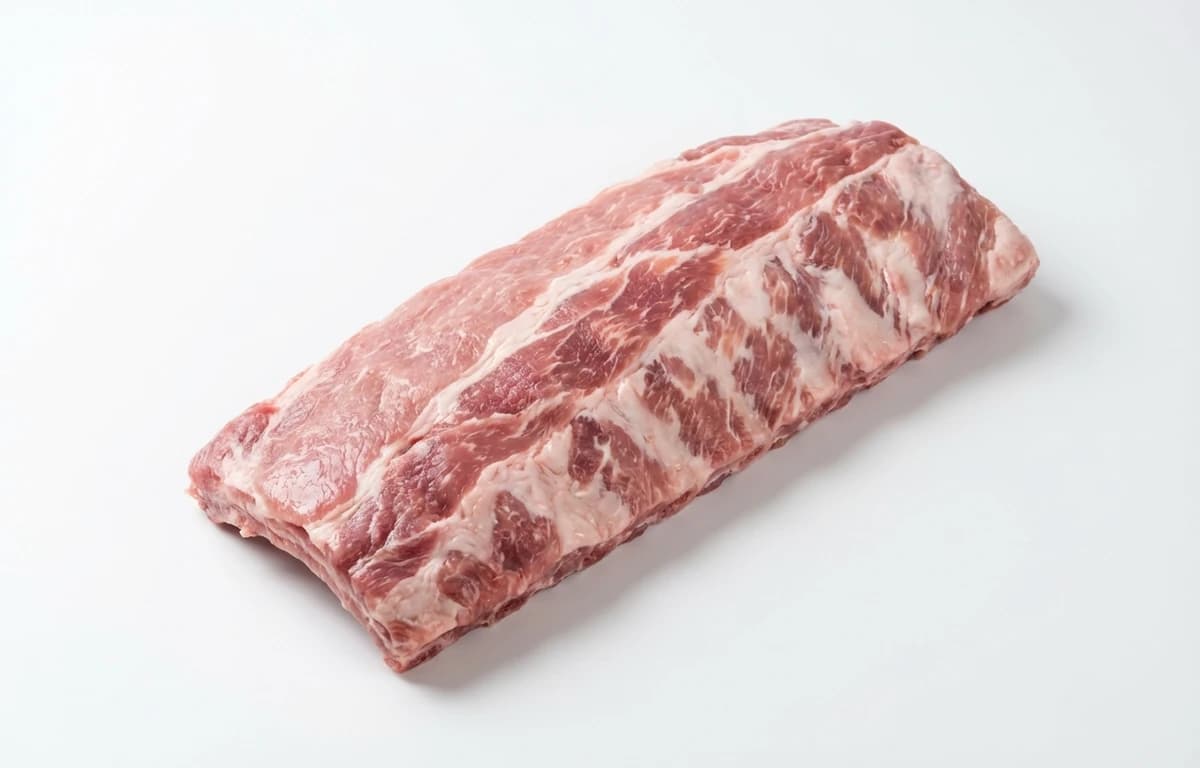
Pork spareribs are a nutrient-dense source of high-quality protein, B vitamins, and essential minerals like zinc and selenium. However, they are higher in calories and saturated fat than leaner cuts like pork tenderloin. They can be part of a healthy diet when consumed in moderation and prepared without excessive sugary sauces.
A 100g serving of raw pork spareribs contains approximately 15.47g of protein and 23.4g of fat. This high fat content contributes to a calorie count of about 277 per 100g, making them a more energy-dense meat option.
Yes, raw pork spareribs are very keto-friendly as they contain 0g of carbohydrates and a high amount of fat. To maintain a ketogenic profile, ensure you use dry rubs or sauces that do not contain added sugars or starches during the cooking process.
Because spareribs contain significant connective tissue, they are best cooked using 'low and slow' methods such as smoking, braising, or slow-roasting. Cooking them at a low temperature (around 275°F or 135°C) for 3 to 4 hours allows the collagen to break down, resulting in tender, fall-off-the-bone meat.
Spareribs are cut from the belly side of the pig and are larger, flatter, and fattier than baby back ribs. Baby back ribs are taken from the loin area, making them smaller, leaner, and generally more expensive, though many prefer spareribs for their richer flavor.
Raw pork spareribs should be stored in the coldest part of your refrigerator and used within 3 to 5 days of purchase. Always keep them in their original vacuum-sealed packaging or wrapped tightly to prevent cross-contamination with other foods.
raw pork spareribs is a versatile ingredient found in cuisines around the world. With 277 calories per 100g and 15.47 grams of protein, it's a nutritious addition to many dishes.
Explore more ingredients in the meat category with complete nutrition information.
View all meat →Discover 0 recipes featuring raw pork spareribs with step-by-step instructions.
Browse recipes →Yes, you can freeze raw pork spareribs for 4 to 6 months for optimal quality, though they remain safe to eat indefinitely if kept at 0°F. For the best results, wrap them tightly in plastic wrap or aluminum foil and place them in a heavy-duty freezer bag to prevent freezer burn.
Spoiled pork spareribs will have a distinct sour or ammonia-like odor and a slimy or sticky texture. If the meat has turned a dull grey or brownish-green color rather than its natural pinkish-red, it is no longer safe to consume and should be discarded.
Raw, unprocessed pork spareribs are naturally gluten-free. However, many pre-marinated ribs or commercial dry rubs contain gluten-based thickeners or additives, so it is essential to check the ingredient label if you have a gluten sensitivity.
Pork spareribs provide high-quality protein for muscle repair and are rich in B vitamins (B1, B3, and B12) which support energy metabolism. They also contain choline for brain health and minerals like iron and zinc, which are vital for oxygen transport and immune function.