
Vegetable
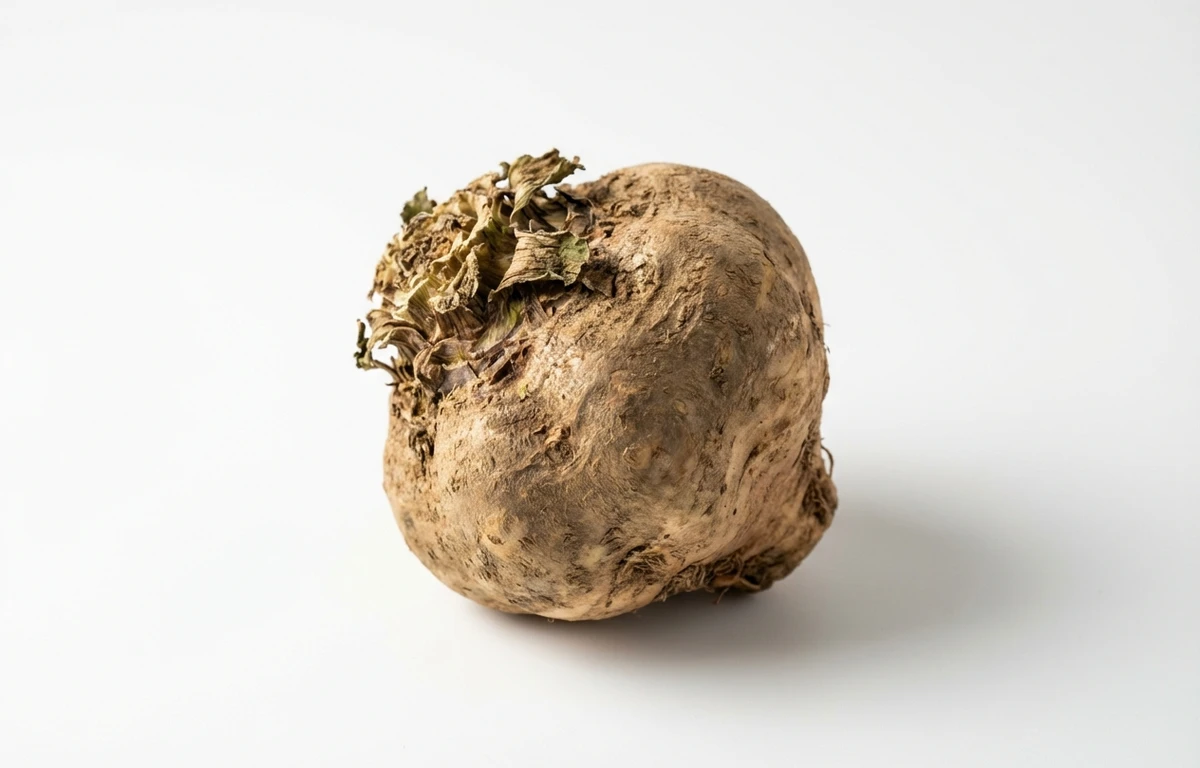
raw prairie turnip.
VegetarianVeganGluten-freeDairy-freeNut-freePeanut-freeSoy-freeEgg-freeShellfish-freeHoney-freeAlcohol-freeHalalKosher
ALSO KNOWN AS
prairie turnip
SERVING
CALORIES
156
PROTEIN
2.6g
CARBS
35.7g
FAT
0.36g
FIBER
8.0g
NUTRITION PROFILE · per 100 g
Everything in this ingredient.
MACRONUTRIENTS
Calories156kcal—
Protein2.6g5%
Carbohydrates35.7g13%
Fiber8.0g29%
Sugar0.82g2%
Total fat0.36g0%
Saturated fat0.08g0%
Water60.7g—
MINERALS
Sodium5.0mg0%
Potassium156mg3%
Calcium130mg10%
Iron1.3mg7%
Magnesium63mg15%
Phosphorus31mg2%
Zinc0.37mg3%
Copper0.05mg6%
Manganese0.27mg12%
Selenium14.7µg27%
VITAMINS
Vitamin C5.5mg6%
Vitamin K0µg0%
Thiamin (B1)0.18mg15%
Riboflavin (B2)0.09mg7%
Niacin (B3)1.1mg7%
Vitamin B60.47mg28%
Folate (B9)10µg3%
%DV based on a 2,000 cal diet. Source: USDA FoodData Central. A dash in the %DV column means there’s no established Daily Value for that nutrient.
MEASUREMENT CONVERSIONS
How much is what.
1 cup142g
1 tablespoon8.9g
1 teaspoon3g
1 oz28.4g
1 lb453.6g
1 ml0.6g
1 liter600g
1 piece50g
HEALTH BENEFITS
Why eat it.
- ✓Rich source of complex carbohydrates, providing sustained energy.
- ✓Contains a notable amount of Vitamin C, which functions as an antioxidant and supports immune health.
- ✓Provides dietary fiber, which aids in digestion and promotes gut health.
- ✓A source of minerals such as calcium and iron.
COOKING TIPS
In the kitchen.
- 1The tough, dark outer skin is inedible and should be peeled before consumption or cooking.
- 2Can be eaten raw, having a starchy, slightly sweet flavor, or cooked similarly to potatoes by boiling, roasting, or frying.
- 3Dried prairie turnip can be ground into a flour, traditionally used to thicken soups and stews or to make a type of bread.
- 4When boiling, cook until just tender to prevent it from becoming mushy. It can also be added to stews and braises.
STORAGE
Keep it fresh.
- Store fresh, unpeeled prairie turnips in a cool, dark, and dry place, like a root cellar or pantry, for several weeks.
- For long-term preservation, peel, slice, and thoroughly dry the turnips. The dried pieces can be stored in an airtight container for years.
FAQ
Frequently asked questions.
Is prairie turnip healthy?
Yes, prairie turnip is a nutrient-dense root vegetable. It is an excellent source of complex carbohydrates for sustained energy and provides essential nutrients like Vitamin C for immune support, as well as calcium and iron for bone and blood health.
How many calories and carbohydrates are in prairie turnip?
A 100g serving of raw prairie turnip contains approximately 156 calories and 35.67g of carbohydrates. This makes it more energy-dense and starchier than common garden turnips or leafy vegetables.
Is prairie turnip keto-friendly?
No, prairie turnip is not suitable for a strict ketogenic diet. With over 35g of carbohydrates per 100g, it is a high-starch vegetable that can easily exceed daily carb limits for those in ketosis.
Is prairie turnip gluten-free and vegan?
Yes, prairie turnip is naturally vegan and gluten-free. It is a plant-based root vegetable and its flour is often used as a gluten-free alternative for thickening stews or making traditional breads.
What does raw prairie turnip taste like?
Raw prairie turnip has a mild, slightly sweet, and nutty flavor. Its texture is quite dense and starchy, often compared to a cross between a raw potato and a chestnut.
How do you prepare raw prairie turnip for cooking?
First, the thick, leathery brown skin must be peeled or stripped away to reveal the white edible root. Once peeled, it can be eaten raw, sliced into stews, or dried and ground into a fine meal or flour.
Can you eat prairie turnip raw?
Yes, the inner white flesh is safe to eat raw and provides a crisp, starchy snack. However, it is very firm, so many people prefer to boil it in soups or dry it to make it easier to consume.
How do you store prairie turnips?
Fresh prairie turnips should be kept in a cool, dry place or refrigerated for short-term use. For long-term storage, they are traditionally braided by their stems and air-dried until hard, which allows them to last for years.
Is prairie turnip good for digestion?
Yes, prairie turnip contains dietary fiber which aids in digestion and promotes gut health. The fiber helps regulate bowel movements and can contribute to a feeling of fullness after eating.
How do you know if a prairie turnip is fresh?
A fresh prairie turnip should feel heavy for its size and be very firm to the touch. Avoid roots that feel soft, shriveled, or show signs of mold on the outer skin.



















