
Loading...
Per 100g
Nutrition data source: USDA FoodData Central
Common measurement equivalents in grams
Yes, prickly pear is highly nutritious and rich in antioxidants like betalains, which protect cells from oxidative stress. It is also a great source of Vitamin C, magnesium, and potassium, supporting both immune function and cardiovascular health.
A 100g serving of raw prickly pear contains approximately 41 calories and 9.57g of carbohydrates. It is a low-calorie fruit with less than 1g of fat and protein, making it a light and hydrating snack.
Prickly pear can be beneficial for weight loss due to its high dietary fiber content, which promotes satiety and digestive health. Its low calorie count (41 per 100g) allows you to enjoy a sweet treat without a high caloric intake.
Prickly pear can be included in a keto diet in moderation, as it contains about 9.6g of carbs per 100g. While it is lower in sugar than many tropical fruits, portion control is necessary to stay within daily carb limits.
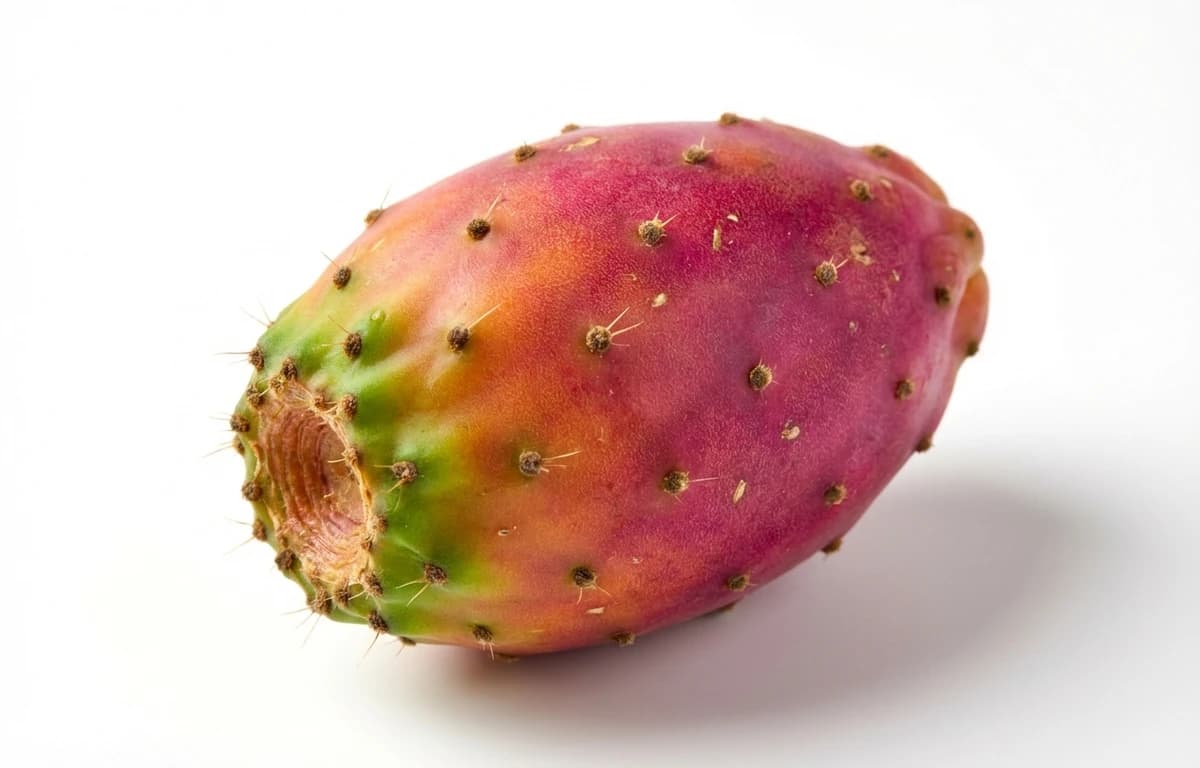
To prepare, use tongs or gloves to avoid the tiny, invisible spines called glochids. Slice off both ends of the fruit, make a shallow vertical slit through the skin, and peel the thick rind away from the inner flesh.
Prickly pear has a sweet, mild flavor that is often compared to a cross between watermelon and classic bubblegum. The texture is very juicy and contains many small, hard seeds.
Yes, the seeds are edible and provide extra fiber. However, they are very hard, so most people choose to swallow them whole or strain them out when making juice or jam rather than biting down on them.
raw prickly pear is a versatile ingredient found in cuisines around the world. With 41 calories per 100g and 0.73 grams of protein, it's a nutritious addition to many dishes.
Explore more ingredients in the fruit category with complete nutrition information.
View all fruit →Discover 0 recipes featuring raw prickly pear with step-by-step instructions.
Browse recipes →Firm prickly pears can be kept at room temperature for a few days until they ripen. Once ripe, store them in a plastic bag in the refrigerator, where they will stay fresh for about 5 to 7 days.
The high fiber content in prickly pear can help slow the absorption of sugar, which may assist in regulating blood sugar levels. Some studies suggest it has a low glycemic impact, making it a better choice for those monitoring glucose.
Yes, prickly pear is a natural fruit and is inherently both vegan and gluten-free. It is an excellent whole-food addition to plant-based and gluten-restricted diets.