
Vegetable
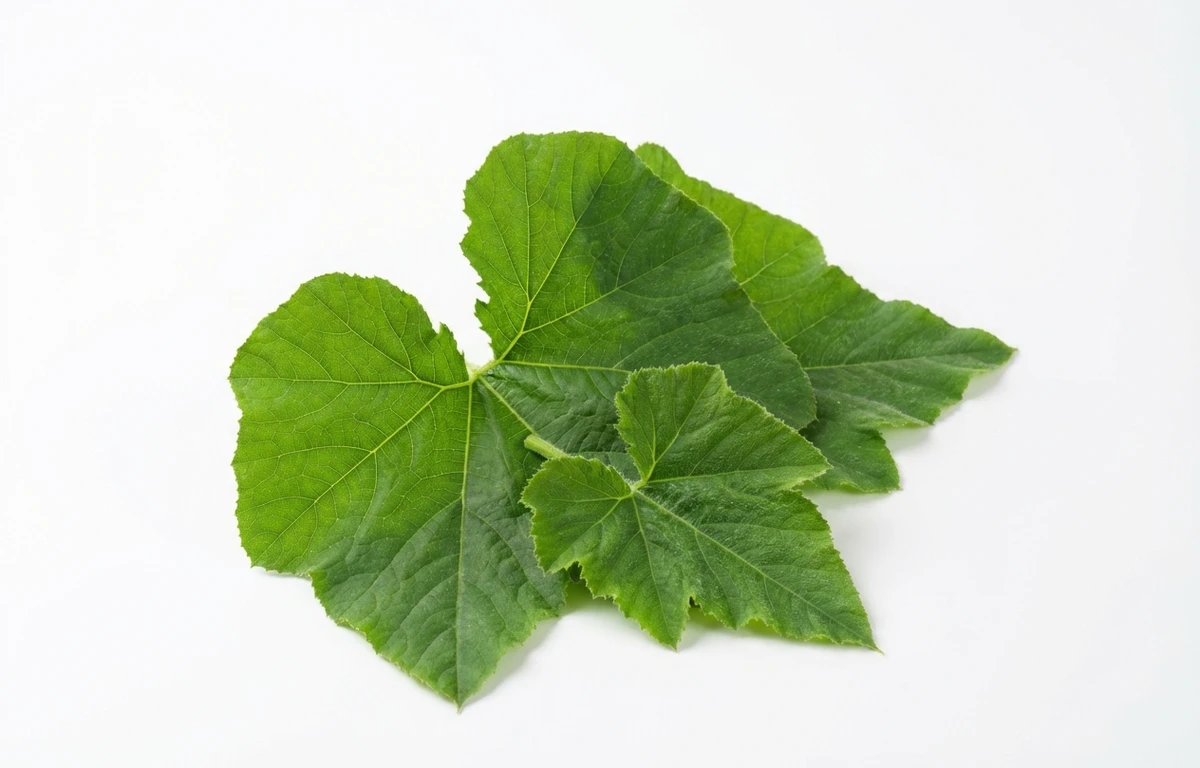
raw pumpkin leaves.
VegetarianVeganGluten-freeDairy-freeNut-freePeanut-freeSoy-freeEgg-freeShellfish-freeHoney-freeAlcohol-freeHalalKosher
ALSO KNOWN AS
pumpkin leaves
SERVING
CALORIES
26
PROTEIN
3.1g
CARBS
2.3g
FAT
0.40g
FIBER
1.5g
NUTRITION PROFILE · per 100 g
Everything in this ingredient.
MACRONUTRIENTS
Calories25.5kcal—
Protein3.1g6%
Carbohydrates2.3g1%
Fiber1.5g5%
Sugar0.50g1%
Total fat0.40g1%
Saturated fat0.08g0%
Trans fat0g—
Cholesterol0mg0%
Water92.9g—
MINERALS
Sodium11mg0%
Potassium438mg9%
Calcium39mg3%
Iron2.2mg12%
Magnesium38mg9%
Phosphorus79mg6%
Zinc0.20mg2%
Copper0.13mg14%
Manganese0.39mg17%
Selenium0.90µg2%
VITAMINS
Vitamin A97µg11%
Vitamin C11mg12%
Vitamin D0µg0%
Vitamin E0.10mg1%
Vitamin K108µg90%
Thiamin (B1)0.07mg6%
Riboflavin (B2)0.13mg10%
Niacin (B3)0.90mg6%
Pantothenic acid (B5)0.05mg1%
Vitamin B60.20mg12%
Folate (B9)36µg9%
Vitamin B120µg0%
%DV based on a 2,000 cal diet. Source: USDA FoodData Central. A dash in the %DV column means there’s no established Daily Value for that nutrient.
MEASUREMENT CONVERSIONS
How much is what.
1 cup39g
1 tablespoon2.4g
1 teaspoon0.8g
1 ml0.2g
1 liter162.5g
HEALTH BENEFITS
Why eat it.
- ✓Rich in essential vitamins, particularly Vitamin A (from beta-carotene) and Vitamin C, which support immune function and vision.
- ✓Good source of minerals like iron, which is crucial for red blood cell formation, and calcium for bone health.
- ✓High in dietary fiber, aiding in digestion, promoting gut health, and helping to regulate blood sugar levels.
- ✓Contains antioxidants such as flavonoids and phenolic compounds that help protect the body against cellular damage from free radicals.
COOKING TIPS
In the kitchen.
- 1Always wash pumpkin leaves thoroughly and remove the tough, fibrous strings from the stems and veins before cooking. This can be done by peeling them off.
- 2The slightly fuzzy texture of the leaves softens completely upon cooking. They are delicious when sautéed with garlic and onion, or added to soups, stews, and curries.
- 3Blanching the leaves in boiling salted water for a minute before using them in a recipe can help tenderize them and reduce any slight bitterness.
- 4Pair with bold ingredients like tomatoes, chili, coconut milk, or peanuts, as is common in many African and Asian cuisines where pumpkin leaves are a staple.
STORAGE
Keep it fresh.
- Store unwashed leaves in a perforated plastic bag in the refrigerator's crisper drawer. Use within 3-4 days for optimal freshness.
- For longer-term storage, blanch the leaves for 2 minutes, cool them in an ice bath, squeeze out excess water, and freeze in an airtight container for up to 6 months.
FAQ
Frequently asked questions.
Are pumpkin leaves healthy?
Yes, pumpkin leaves are highly nutritious and low in calories. They are an excellent source of Vitamin A for vision, Vitamin C for immunity, and essential minerals like iron and calcium for blood and bone health.
How much protein and fiber are in pumpkin leaves?
Pumpkin leaves contain approximately 3.15g of protein per 100g, which is relatively high for a leafy green. They are also rich in dietary fiber, which aids in digestion and helps maintain healthy blood sugar levels.
Are pumpkin leaves keto-friendly?
Yes, pumpkin leaves are very keto-friendly as they contain only about 2.33g of carbohydrates per 100g. They allow those on low-carb diets to consume a high volume of food and nutrients with minimal impact on daily carb limits.
Can I eat pumpkin leaves raw?
While pumpkin leaves are non-toxic and can be eaten raw, they have a fuzzy, prickly texture that most find unpleasant. It is common practice to 'de-string' the stems and leaves and then cook or blanch them to soften the fibers.
How do you prepare pumpkin leaves for cooking?
To prepare them, snap the stem and pull downwards to peel away the prickly outer fibers (de-stringing) from both the stem and the back of the leaf. Once the fuzz is removed, rinse them thoroughly in cold water to remove any dirt or grit.
What do pumpkin leaves taste like?
Pumpkin leaves have a mild, earthy flavor similar to a blend of spinach and broccoli. They are less bitter than many other dark leafy greens and easily absorb the flavors of ingredients like coconut milk, peanuts, or garlic.
Are pumpkin leaves vegan and gluten-free?
Yes, pumpkin leaves are a natural plant-based vegetable and are 100% vegan and gluten-free. They are a staple in many plant-based diets due to their high mineral content.
How do you store fresh pumpkin leaves?
Store unwashed pumpkin leaves in a perforated plastic bag in the refrigerator's crisper drawer. They are quite delicate and should be used within 2 to 3 days to ensure they don't wilt or lose their nutritional value.
How do I know if pumpkin leaves are fresh?
Look for leaves that are vibrant green, crisp, and supple. Avoid any bunches that have yellowing leaves, dark slimy spots, or a strong, sour odor, as these are signs of spoilage.
Can pumpkin leaves help with anemia?
Because they are a good source of iron, pumpkin leaves can support red blood cell formation and help prevent iron-deficiency anemia. For best results, consume them with Vitamin C-rich foods to enhance iron absorption.



















