
Vegetable
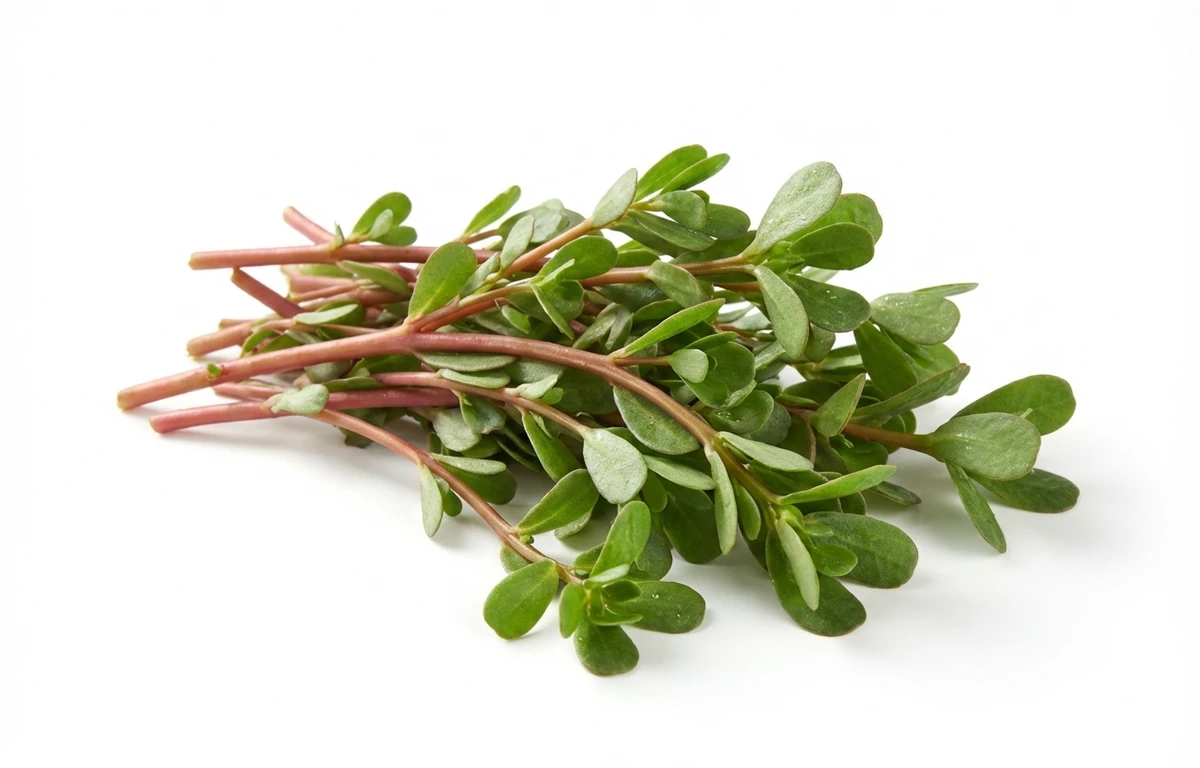
raw purslane.
VegetarianVeganGluten-freeDairy-freeNut-freePeanut-freeSoy-freeEgg-freeShellfish-freeHoney-freeAlcohol-free
ALSO KNOWN AS
purslane
SERVING
CALORIES
20
PROTEIN
1.3g
CARBS
3.4g
FAT
0.10g
FIBER
0.90g
NUTRITION PROFILE · per 100 g
Everything in this ingredient.
MACRONUTRIENTS
Calories20kcal—
Protein1.3g3%
Carbohydrates3.4g1%
Fiber0.90g3%
Sugar0.10g0%
Total fat0.10g0%
Saturated fat0.01g0%
Trans fat0g—
Cholesterol0mg0%
Water92.9g—
MINERALS
Sodium45mg2%
Potassium494mg11%
Calcium65mg5%
Iron2.0mg11%
Magnesium68mg16%
Phosphorus44mg4%
Zinc0.17mg2%
Copper0.11mg12%
Manganese0.30mg13%
Selenium0.90µg2%
VITAMINS
Vitamin A66µg7%
Vitamin C21mg23%
Vitamin D0µg0%
Vitamin E0.10mg1%
Vitamin K381µg318%
Thiamin (B1)0.05mg4%
Riboflavin (B2)0.11mg8%
Niacin (B3)0.48mg3%
Pantothenic acid (B5)0.04mg1%
Vitamin B60.07mg4%
Folate (B9)12µg3%
Vitamin B120µg0%
%DV based on a 2,000 cal diet. Source: USDA FoodData Central. A dash in the %DV column means there’s no established Daily Value for that nutrient.
MEASUREMENT CONVERSIONS
How much is what.
1 cup45g
1 tablespoon5g
1 teaspoon2g
1 ml0.3g
1 liter333.3g
HEALTH BENEFITS
Why eat it.
- ✓Exceptionally high in plant-based omega-3 fatty acids (ALA), which supports cardiovascular and cognitive health.
- ✓Rich source of antioxidants, including Vitamin C, Vitamin E, beta-carotene, and glutathione, which help protect cells from damage.
- ✓Contains significant amounts of essential minerals like potassium for blood pressure control and magnesium for muscle and nerve function.
- ✓Provides betalain pigments, potent antioxidants with anti-inflammatory properties, also found in beets.
COOKING TIPS
In the kitchen.
- 1Use raw in salads, sandwiches, or tacos for a crisp, succulent texture and a slightly tangy, lemony flavor.
- 2Lightly sauté with garlic and olive oil as a side dish, similar to spinach, but cook briefly to maintain its crunch.
- 3Add to soups and stews in the last few minutes of cooking; its natural mucilage will act as a slight thickener.
- 4The stems and leaves can be pickled in a brine of vinegar, water, salt, and spices to create a tangy condiment.
STORAGE
Keep it fresh.
- Wrap unwashed purslane in a damp paper towel, place it in a perforated plastic bag, and store in the refrigerator's crisper drawer for up to 5 days.
- To preserve its crispness, store it upright in a jar with a small amount of water at the bottom, covering the stems, similar to fresh herbs.
FAQ
Frequently asked questions.
Is purslane healthy?
Yes, purslane is a nutrient-dense superfood. It is exceptionally high in plant-based omega-3 fatty acids (ALA) for heart health and contains powerful antioxidants like vitamins C and E, as well as essential minerals like potassium and magnesium.
How many calories and carbs are in purslane?
Purslane is very low in calories and carbohydrates, making it ideal for weight loss. A 100g serving contains only 20 calories and 3.4g of carbs, along with 1.3g of protein and virtually no fat.
Is purslane keto-friendly?
Yes, purslane is highly keto-friendly. With only 3.4g of total carbohydrates per 100g, it is a perfect low-carb leafy green that provides essential electrolytes like magnesium and potassium often needed on a ketogenic diet.
What does purslane taste like?
Purslane has a refreshing, slightly sour or salty flavor profile, often compared to a mix of watercress and spinach with a hint of lemon. Its succulent leaves and stems provide a crisp, crunchy texture when eaten raw.
How do you prepare and eat raw purslane?
To prepare, wash the stems and leaves thoroughly to remove any soil. It can be eaten whole in salads, tucked into sandwiches for crunch, or blended into green smoothies. It also makes an excellent garnish for chilled soups.
Can you eat the stems of purslane?
Yes, both the leaves and the reddish stems of purslane are entirely edible and nutritious. The stems are particularly crunchy and hold their texture well, making them a great addition to salads or even quick pickles.
How do you store fresh purslane?
Store unwashed purslane in a plastic bag or a damp paper towel inside the refrigerator's crisper drawer. It is best consumed within 3 to 5 days, as the succulent leaves can lose their crispness and become wilted over time.
What are the specific health benefits of the omega-3s in purslane?
Purslane contains alpha-linolenic acid (ALA), which is a plant-based omega-3 fatty acid. Regular consumption supports cardiovascular health by helping to manage cholesterol levels and supports cognitive function and brain health.
Are there any precautions when eating purslane?
Purslane contains oxalates, similar to spinach and beets, which can contribute to the formation of kidney stones in susceptible individuals. If you have a history of kidney stones, it is best to consume it in moderation.
Is purslane vegan and gluten-free?
Yes, purslane is a naturally occurring leafy vegetable, making it 100% vegan and gluten-free. It is a safe and healthy addition to plant-based, paleo, and gluten-restricted diets.



















