
Vegetable
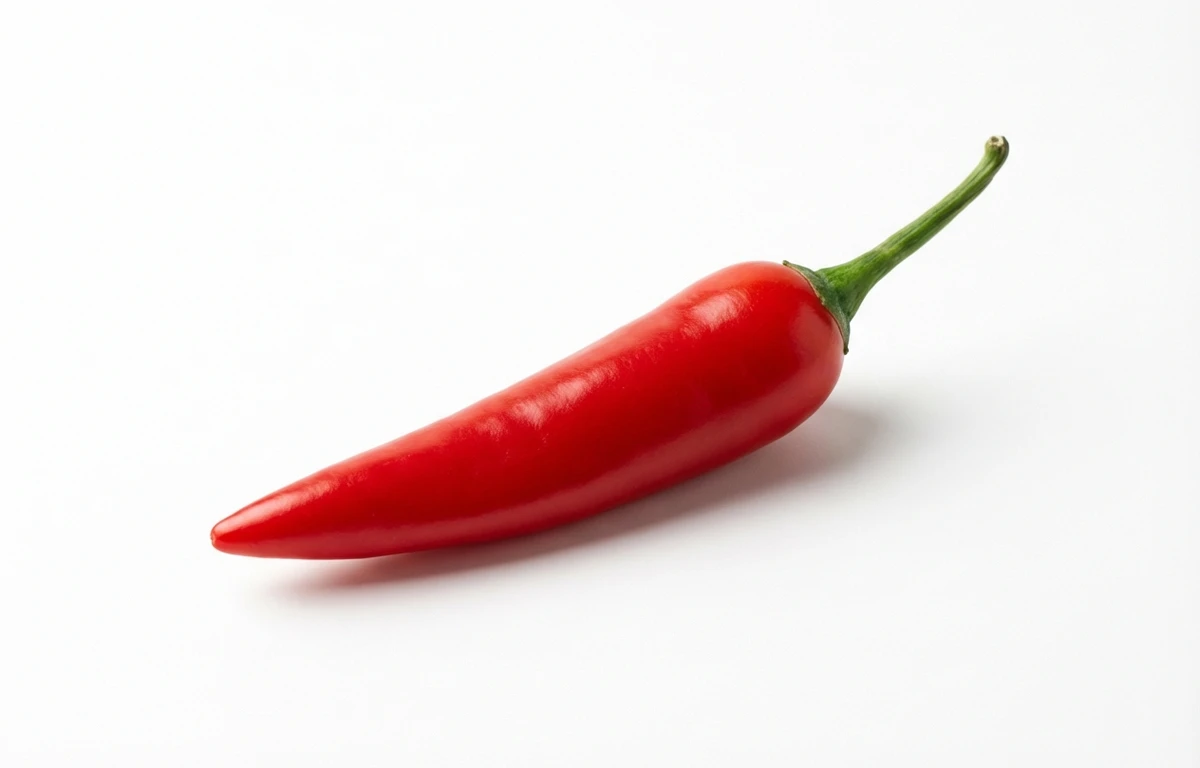
raw red hot chili pepper.
VegetarianVeganGluten-freeDairy-freeNut-freePeanut-freeSoy-freeEgg-freeShellfish-freeHoney-freeAlcohol-free
ALSO KNOWN AS
raw red chilifresh red chiliraw lal mirchfresh red hot pepper
SERVING
CALORIES
40
PROTEIN
1.9g
CARBS
8.8g
FAT
0.44g
FIBER
1.5g
NUTRITION PROFILE · per 100 g
Everything in this ingredient.
MACRONUTRIENTS
Calories40kcal—
Protein1.9g4%
Carbohydrates8.8g3%
Fiber1.5g5%
Sugar5.3g11%
Total fat0.44g1%
Saturated fat0.04g0%
Trans fat0g—
Cholesterol0mg0%
Water88g—
MINERALS
Sodium9.0mg0%
Potassium322mg7%
Calcium14mg1%
Iron1.0mg6%
Magnesium23mg5%
Phosphorus43mg3%
Zinc0.26mg2%
Copper0.13mg14%
Manganese0.19mg8%
Selenium0.50µg1%
VITAMINS
Vitamin A48µg5%
Vitamin C144mg160%
Vitamin D0µg0%
Vitamin E0.69mg5%
Vitamin K14µg12%
Thiamin (B1)0.07mg6%
Riboflavin (B2)0.09mg7%
Niacin (B3)1.2mg8%
Pantothenic acid (B5)0.20mg4%
Vitamin B60.51mg30%
Folate (B9)23µg6%
Vitamin B120µg0%
%DV based on a 2,000 cal diet. Source: USDA FoodData Central. A dash in the %DV column means there’s no established Daily Value for that nutrient.
MEASUREMENT CONVERSIONS
How much is what.
1 cup150g
1 tablespoon10g
1 teaspoon3g
1 oz28.4g
1 lb453.6g
1 piece45g
HEALTH BENEFITS
Why eat it.
- ✓Contains capsaicin which may boost metabolism and aid weight loss
- ✓Extremely high in Vitamin C for immune system support
- ✓May act as a natural pain reliever due to anti-inflammatory properties
- ✓Supports cardiovascular health by improving blood circulation
- ✓Rich in antioxidants that help fight oxidative stress
COOKING TIPS
In the kitchen.
- 1Wear gloves when handling and avoid touching eyes or face to prevent burns
- 2Remove the seeds and white inner membranes to significantly reduce the heat level
- 3Sauté briefly in oil at the start of cooking to release fat-soluble heat and flavor
STORAGE
Keep it fresh.
- Store in a paper bag or breathable container in the refrigerator crisper drawer
- Keep peppers dry; moisture leads to rapid molding and soft spots
- Can be frozen whole or chopped in airtight bags for up to 6 months
FAQ
Frequently asked questions.
How long do raw red chilies last in the fridge?
When stored properly in a dry, breathable bag, they typically last 2 to 3 weeks.
Can I freeze fresh red chili peppers?
Yes, they freeze very well. You can freeze them whole or chopped; they will lose their crunch but retain their heat.
How can I tell if a red chili is fresh?
Look for firm, shiny skin and a bright red color. Avoid peppers that are shriveled, have soft spots, or dark blemishes.
What is a good substitute for raw red chili?
Depending on the recipe, you can use dried red chili flakes, cayenne pepper powder, or fresh green chilies.
How do I reduce the spiciness of the pepper?
The heat is concentrated in the seeds and the white pith (ribs). Removing these before cooking will make the pepper much milder.
Are red chilies hotter than green chilies?
Generally, yes. Red chilies are the ripened version of green chilies and often have a more developed, intense heat and slightly sweeter profile.
What should I do if I get chili burn on my skin?
Wash the area with dish soap to break down the oils, or soak the affected area in milk or yogurt, as casein helps neutralize capsaicin.
Are red hot chili peppers healthy?
Yes, they are very low in calories and exceptionally high in Vitamin C and Vitamin A, along with beneficial capsaicin.



















