
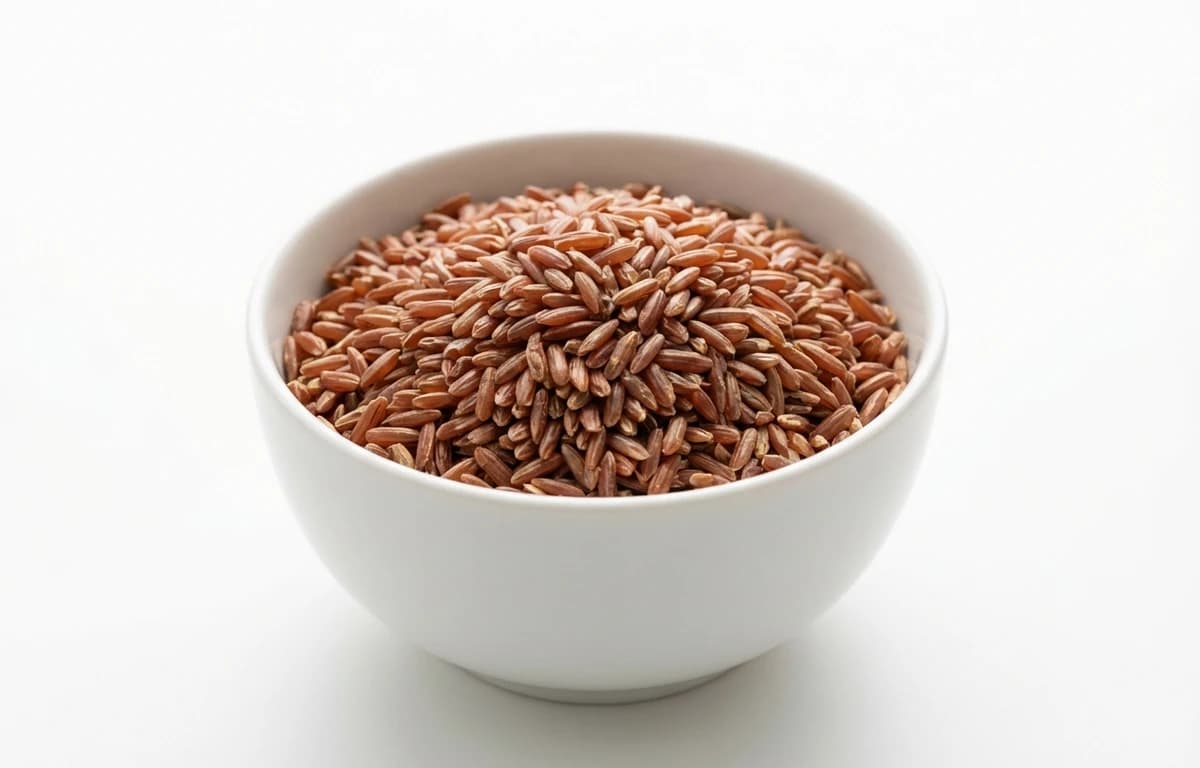
raw red rice
Also known as:
Loading...
Also known as:
Per 100g
Nutrition data source: USDA FoodData Central
Common measurement equivalents in grams
Yes, red rice is highly nutritious as it is a whole grain rich in fiber and antioxidants like anthocyanins. These compounds help reduce inflammation and protect against oxidative stress, while its mineral content supports bone health and energy metabolism.
A 100g serving of raw red rice contains approximately 356 calories and 72g of carbohydrates. It also provides about 7.5g of protein and 2.4g of fat, making it a nutrient-dense energy source compared to refined grains.
Red rice can be beneficial for weight management due to its high dietary fiber content. Fiber promotes a feeling of fullness and satiety, which can help reduce overall calorie intake and prevent overeating.
Yes, red rice is naturally gluten-free. It is an excellent and safe grain alternative for individuals with celiac disease or those following a gluten-free diet.
Red rice is generally a good choice for diabetics because its high fiber content helps regulate blood sugar levels. It typically has a lower glycemic index than white rice, leading to slower glucose absorption and fewer blood sugar spikes.
To cook red rice, use a ratio of 1 part rice to 2.5 parts water. Bring to a boil, then simmer on low heat for 30 to 40 minutes until the water is absorbed and the grains are tender yet slightly chewy.
Red rice has a distinct nutty flavor and an earthy aroma. Its texture is firmer and more chewy than white rice, similar to brown rice but with a more complex, slightly sweet profile.
raw red rice is a versatile ingredient found in cuisines around the world. With 356 calories per 100g and 7.5 grams of protein, it's a nutritious addition to many dishes.
Explore more ingredients in the grain category with complete nutrition information.
View all grain →Discover 0 recipes featuring raw red rice with step-by-step instructions.
Browse recipes →Store raw red rice in an airtight container in a cool, dry, and dark pantry. When kept away from moisture and heat, it can last for 6 to 12 months; for extended shelf life, it can be stored in the refrigerator.
The deep red color comes from anthocyanins, which are powerful antioxidants located in the outer bran layer of the grain. These are the same beneficial pigments found in fruits like blueberries and purple grapes.
While not mandatory, soaking red rice for 30 minutes to 2 hours is recommended. Soaking softens the tough outer bran layer, which improves the final texture and can slightly reduce the cooking time.