Grain10 recipes
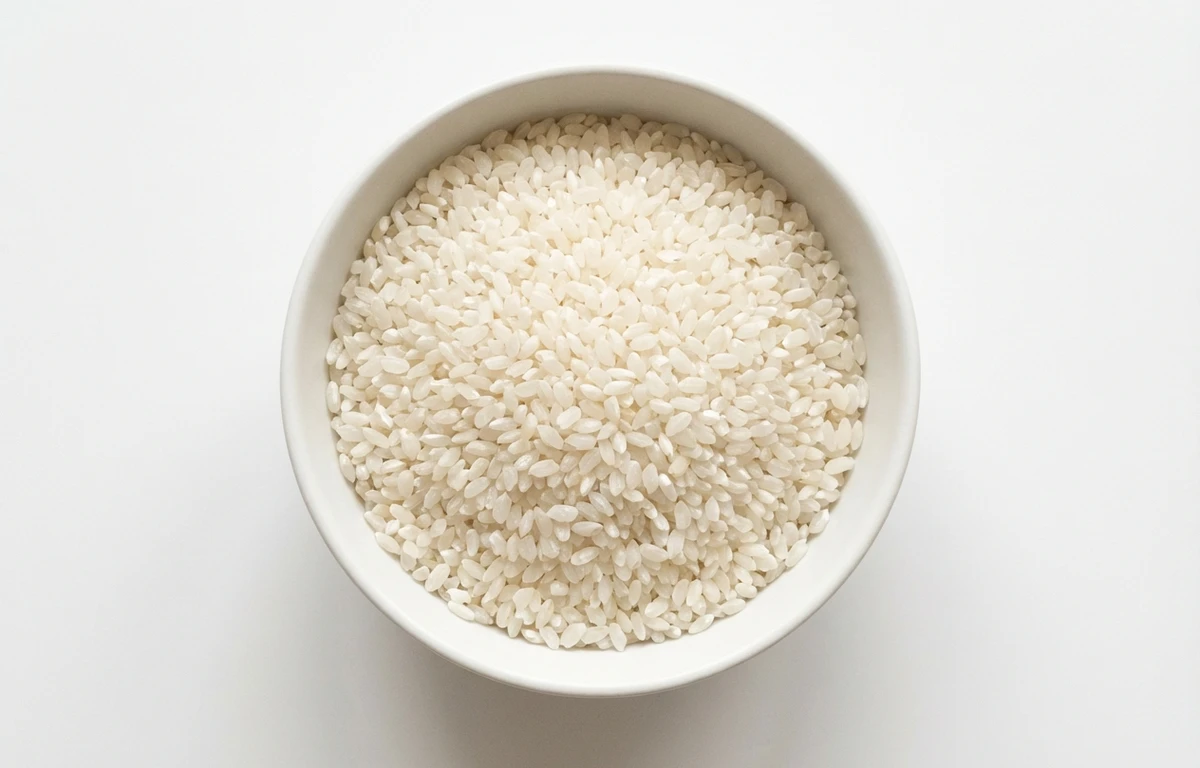
raw rice.
VegetarianVeganGluten-freeDairy-freeNut-freePeanut-freeSoy-freeEgg-freeShellfish-freeHoney-freeAlcohol-free
ALSO KNOWN AS
uncooked ricechawalwhite ricepolished ricericeAtap chalAtapa chaulaRaw riceArua Rice
SERVING
CALORIES
365
PROTEIN
7.1g
CARBS
80g
FAT
0.66g
FIBER
1.3g
NUTRITION PROFILE · per 100 g
Everything in this ingredient.
MACRONUTRIENTS
Calories365kcal—
Protein7.1g14%
Carbohydrates80g29%
Fiber1.3g5%
Sugar0.12g0%
Total fat0.66g1%
Saturated fat0.18g1%
Trans fat0g—
Cholesterol0mg0%
Water11.6g—
MINERALS
Sodium5.0mg0%
Potassium115mg2%
Calcium28mg2%
Iron0.80mg4%
Magnesium25mg6%
Phosphorus115mg9%
Zinc1.1mg10%
Copper0.22mg24%
Manganese1.1mg47%
Selenium15.1µg27%
VITAMINS
Vitamin A0µg0%
Vitamin C0mg0%
Vitamin D0µg0%
Vitamin E0.11mg1%
Vitamin K0.10µg0%
Thiamin (B1)0.07mg6%
Riboflavin (B2)0.05mg4%
Niacin (B3)1.6mg10%
Pantothenic acid (B5)1.0mg20%
Vitamin B60.16mg9%
Folate (B9)8.0µg2%
Vitamin B120µg0%
%DV based on a 2,000 cal diet. Source: USDA FoodData Central. A dash in the %DV column means there’s no established Daily Value for that nutrient.
MEASUREMENT CONVERSIONS
How much is what.
1 cup185g
1 tablespoon12g
1 teaspoon4g
1 oz28.4g
1 lb453.6g
1 ml0.9g
1 liter850g
HEALTH BENEFITS
Why eat it.
- ✓Excellent source of quick energy
- ✓Naturally gluten-free and hypoallergenic
- ✓Low in fat and sodium
- ✓Easy to digest for sensitive stomachs
- ✓Provides essential B vitamins
COOKING TIPS
In the kitchen.
- 1Rinse thoroughly under cold water to remove excess starch
- 2Use a 1:2 ratio of rice to water for standard white rice
- 3Let the rice rest covered for 5-10 minutes after cooking
STORAGE
Keep it fresh.
- Store in a cool, dry place in an airtight container
- Keep away from moisture to prevent mold growth
- Protect from pests by using sealed glass or plastic bins
FAQ
Frequently asked questions.
How long does raw white rice last?
If kept dry and protected from pests, raw white rice has an almost indefinite shelf life.
Should I wash rice before cooking?
Yes, rinsing removes surface starch which prevents the rice from becoming overly sticky or gummy.
Is rice gluten-free?
Yes, all natural forms of rice are gluten-free, making it safe for those with celiac disease.
What is the best substitute for rice?
Quinoa, millet, barley (if gluten is okay), or cauliflower rice are excellent alternatives.
Can I freeze raw rice?
While unnecessary for shelf life, you can freeze raw rice to kill any potential grain weevil eggs.
How do I know if raw rice has gone bad?
Check for signs of moisture, mold, an off-smell, or the presence of small insects (weevils).
Does rice contain arsenic?
Rice can absorb arsenic from soil; rinsing and cooking in excess water can help reduce levels.
What is the difference between raw and parboiled rice?
Parboiled rice is partially boiled in the husk, which drives nutrients into the grain before milling.
RECIPES
Cook with raw rice.
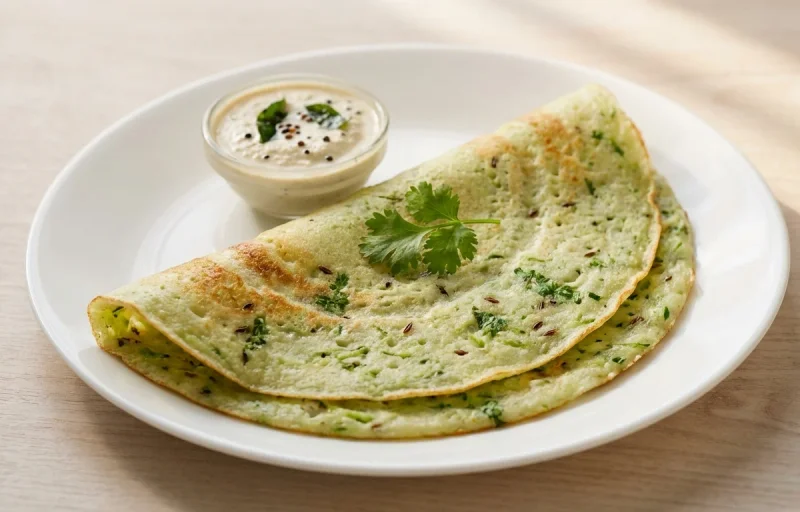
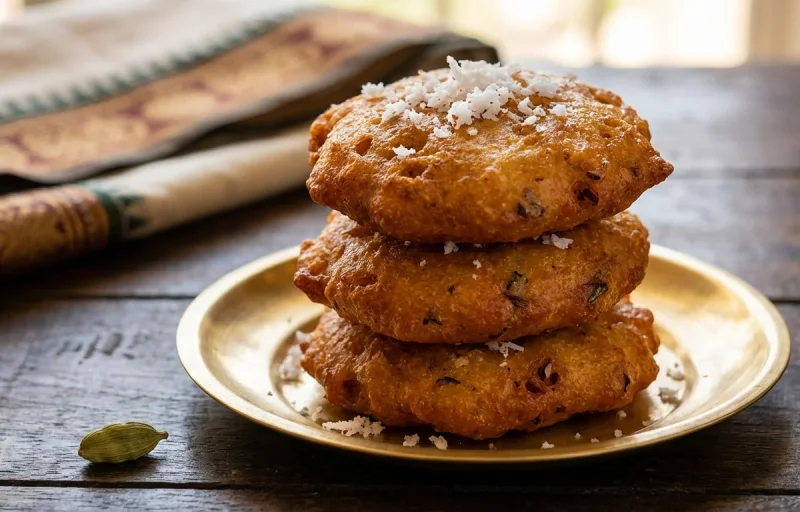
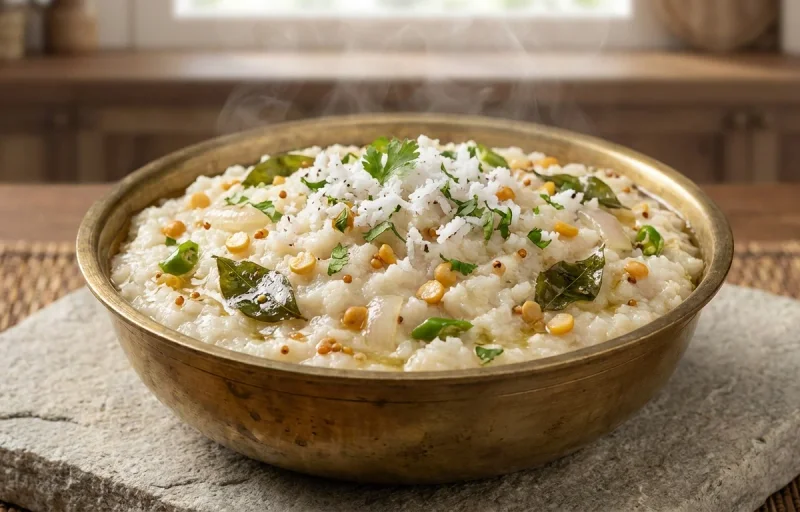
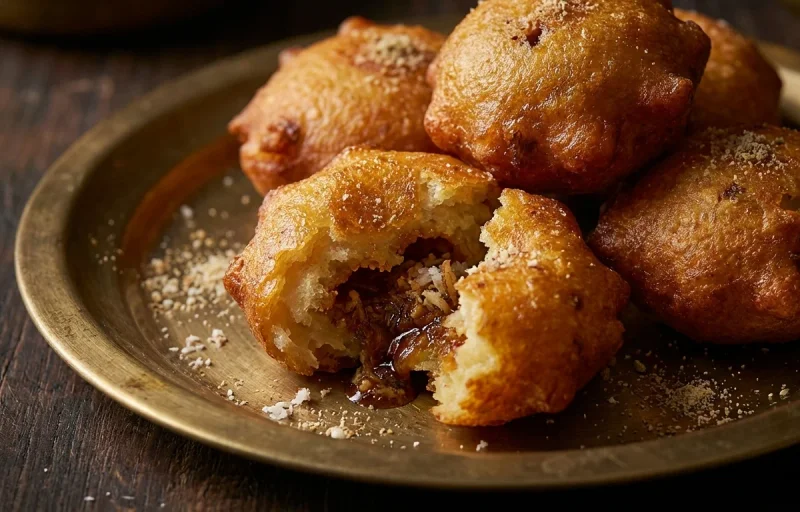
10 recipes · sorted by what’s quick