
Loading...
Per 100g
Nutrition data source: USDA FoodData Central
Common measurement equivalents in grams
At room temperature, ripe bananas typically last 2-5 days. Once they reach your desired ripeness, you can refrigerate them for another 3-5 days; the skin will turn black, but the fruit inside remains good.
Yes. Peel them first and store in an airtight bag. They can be frozen for up to 3 months and are perfect for smoothies or baking.
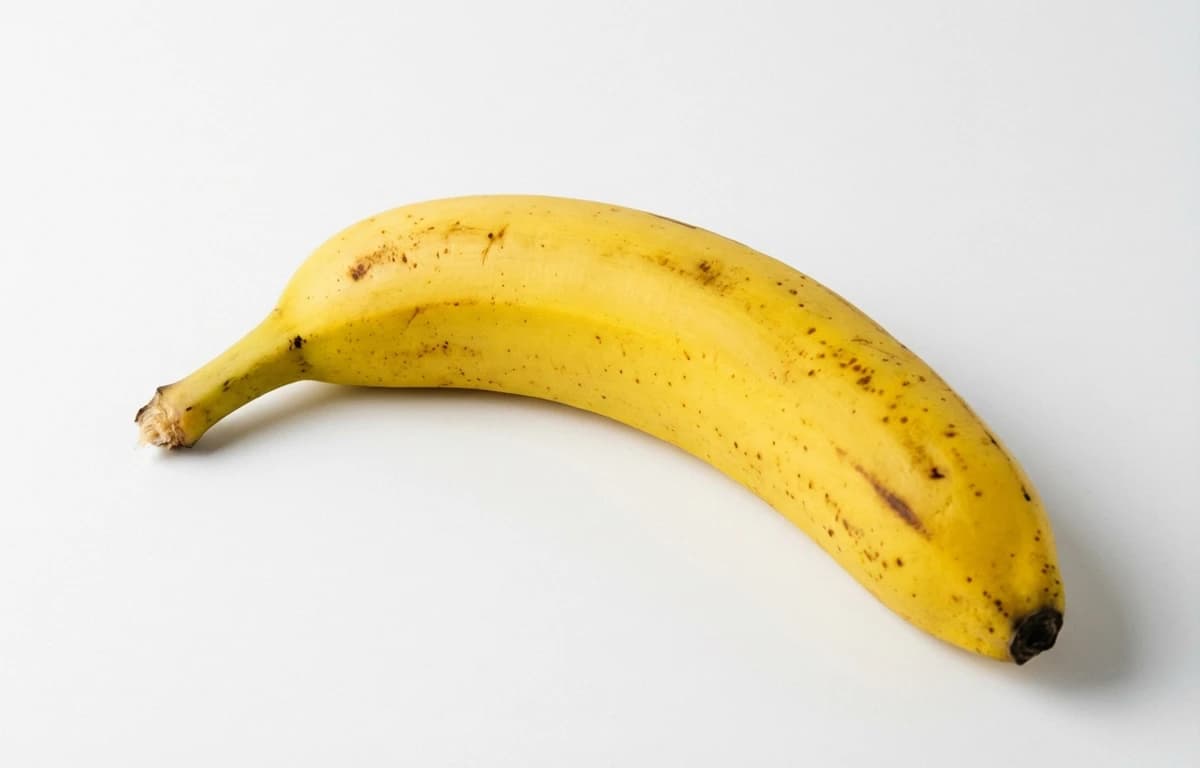
A perfectly ripe banana is bright yellow with a few small brown spots. It should feel firm but give slightly when pressed.
Applesauce, mashed avocado, or pumpkin puree can often substitute for bananas in a 1:1 ratio by volume, though the flavor will change.
Place bananas in a brown paper bag with an apple or tomato. The ethylene gas produced will speed up the ripening significantly.
Bananas contain about 12g of natural sugar per 100g. While higher than some berries, they also provide fiber which helps slow sugar absorption.
Bananas turn brown due to enzymatic browning when the fruit is bruised or exposed to air, and as starches convert to sugars during ripening.
Overripe bananas are ideal for banana bread, muffins, pancakes, or smoothies because they are softer and much sweeter.
raw ripe banana is a versatile ingredient found in cuisines around the world. With 89 calories per 100g and 1.1 grams of protein, it's a nutritious addition to many dishes.
Explore more ingredients in the fruit category with complete nutrition information.
View all fruit →Discover 0 recipes featuring raw ripe banana with step-by-step instructions.
Browse recipes →While not strictly necessary since the peel is discarded, washing can prevent any surface bacteria or pesticides from transferring to the fruit during peeling.