
Fruit3 recipes
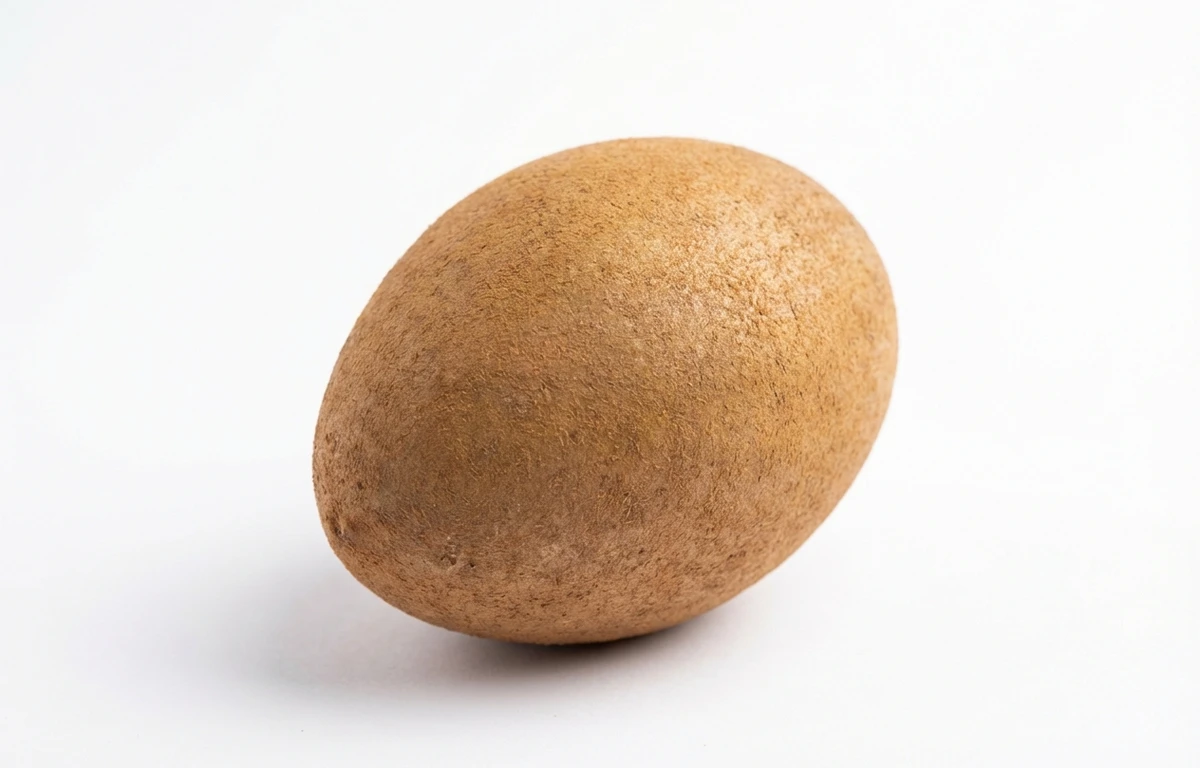
raw sapodilla.
VegetarianVeganGluten-freeDairy-freeNut-freePeanut-freeSoy-freeEgg-freeShellfish-freeHoney-freeAlcohol-freeHalalKosher
ALSO KNOWN AS
mud applechikulamootsapodilla plumchikoosapotanaseberry
SERVING
CALORIES
83
PROTEIN
0.44g
CARBS
20g
FAT
1.1g
FIBER
5.3g
NUTRITION PROFILE · per 100 g
Everything in this ingredient.
MACRONUTRIENTS
Calories83kcal—
Protein0.44g1%
Carbohydrates20g7%
Fiber5.3g19%
Sugar14.7g29%
Total fat1.1g1%
Saturated fat0.33g2%
Trans fat0g—
Cholesterol0mg0%
Water78g—
MINERALS
Sodium12mg1%
Potassium193mg4%
Calcium21mg2%
Iron0.80mg4%
Magnesium12mg3%
Phosphorus12mg1%
Zinc0.10mg1%
Copper0.09mg10%
Manganese0.09mg4%
Selenium0.60µg1%
VITAMINS
Vitamin A3.0µg0%
Vitamin C14.7mg16%
Vitamin D0µg0%
Vitamin E0.25mg2%
Vitamin K0.40µg0%
Thiamin (B1)0.06mg5%
Riboflavin (B2)0.02mg2%
Niacin (B3)0.20mg1%
Pantothenic acid (B5)0.25mg5%
Vitamin B60.04mg2%
Folate (B9)14µg4%
Vitamin B120µg0%
%DV based on a 2,000 cal diet. Source: USDA FoodData Central. A dash in the %DV column means there’s no established Daily Value for that nutrient.
MEASUREMENT CONVERSIONS
How much is what.
1 cup170g
1 oz28.4g
1 lb453.6g
1 piece100g
HEALTH BENEFITS
Why eat it.
- ✓High dietary fiber aids in digestion and prevents constipation.
- ✓Rich in Vitamin C which boosts immunity and skin health.
- ✓Provides a quick energy boost due to natural fructose and sucrose.
- ✓Contains tannins which have anti-inflammatory and anti-bacterial properties.
- ✓Good source of potassium which helps manage blood pressure.
COOKING TIPS
In the kitchen.
- 1Always remove the hard black seeds before consuming or blending.
- 2The skin is edible but can be grainy; peel it if you prefer a smoother texture in smoothies.
- 3Avoid over-blending in shakes to maintain the unique malty texture of the fruit.
STORAGE
Keep it fresh.
- Keep unripe sapodillas at room temperature until they become soft to the touch.
- Store ripe sapodillas in the refrigerator for up to 3-5 days.
- To freeze, remove the skin and seeds, then store the pulp in an airtight container.
FAQ
Frequently asked questions.
How can I tell if a sapodilla is ripe?
A ripe sapodilla will be slightly soft when pressed gently and the skin will have a uniform brown, scurfy appearance. If you scratch the skin and it's green underneath, it's not ripe; if it's brown, it's ready.
Can you eat the seeds of a sapodilla?
No, the seeds should not be eaten. They are hard, black, and have a small hook that can get stuck in the throat if swallowed.
What does sapodilla taste like?
It has a unique sweet, malty flavor often compared to brown sugar, pear, and caramel with a slightly grainy texture.
Is sapodilla good for weight loss?
While high in fiber which promotes fullness, it is also relatively high in calories and natural sugars compared to other fruits, so it should be eaten in moderation.
Can I eat the skin of the chikoo?
Yes, the skin is edible and contains nutrients, but many people prefer to peel it because of its slightly fuzzy and grainy texture.
What is a good substitute for sapodilla in recipes?
A mix of ripe pear and brown sugar, or softened dates, can mimic the sweetness and texture of sapodilla in desserts and smoothies.
How do I ripen sapodilla quickly?
Place the fruit in a paper bag with a banana or apple at room temperature to speed up the ripening process through ethylene gas.
Is sapodilla safe for diabetics?
Sapodilla has a high glycemic index and sugar content. Diabetics should consult their doctor and consume it in very limited quantities.
Can sapodilla be used in savory dishes?
It is almost exclusively used in sweet preparations like shakes, ice creams, and custards, but it can occasionally be used in spicy chutneys.
RECIPES
Cook with raw sapodilla.
3 recipes · sorted by what’s quick



















