
Seafood2 recipes
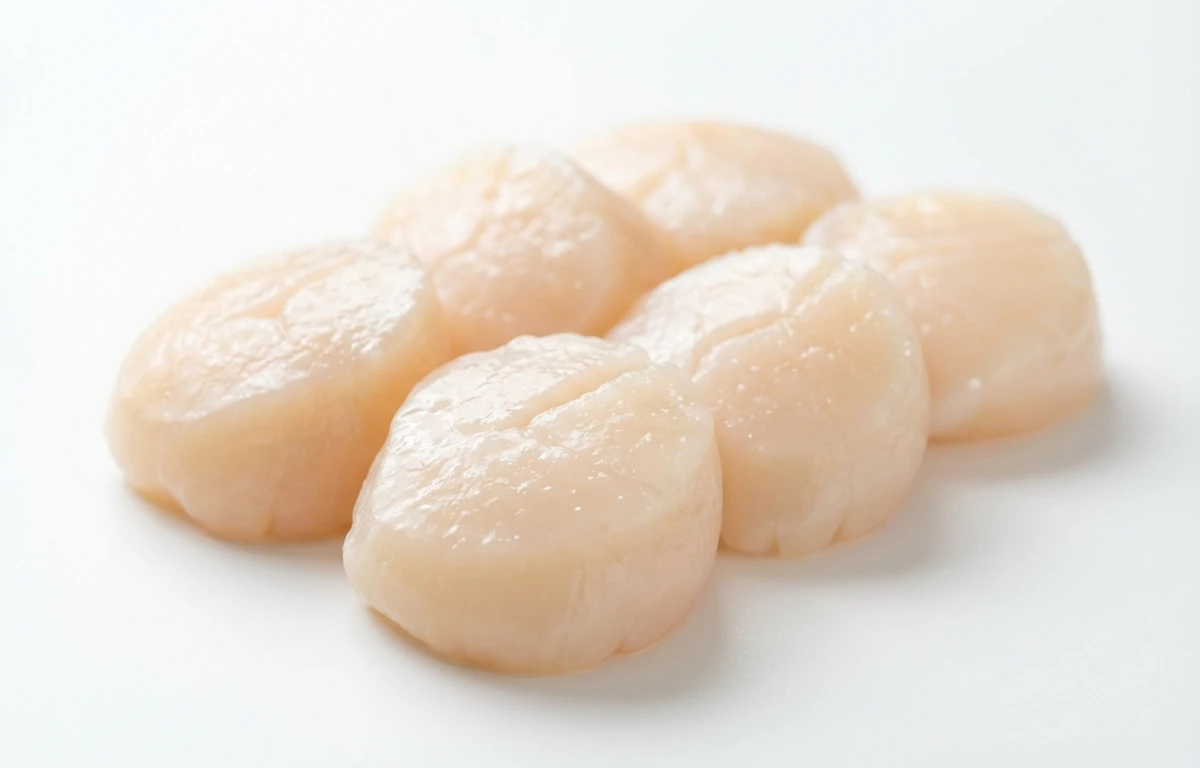
raw scallop.
VegetarianVeganGluten-freeDairy-freeNut-freePeanut-freeSoy-freeEgg-freeShellfish-freeHoney-freeAlcohol-freeKosher
ALSO KNOWN AS
scallop
SERVING
CALORIES
69
PROTEIN
12.1g
CARBS
3.2g
FAT
0.49g
FIBER
0g
NUTRITION PROFILE · per 100 g
Everything in this ingredient.
MACRONUTRIENTS
Calories69kcal—
Protein12.1g24%
Carbohydrates3.2g1%
Fiber0g0%
Sugar0g0%
Total fat0.49g1%
Saturated fat0.13g1%
Trans fat0.01g—
Cholesterol24mg8%
Water82.5g—
MINERALS
Sodium392mg17%
Potassium205mg4%
Calcium6.0mg0%
Iron0.38mg2%
Magnesium22mg5%
Phosphorus334mg27%
Zinc0.91mg8%
Copper0.02mg2%
Manganese0.02mg1%
Selenium12.8µg23%
VITAMINS
Vitamin A1.0µg0%
Vitamin C0mg0%
Vitamin D0µg0%
Vitamin E0mg0%
Vitamin K0µg0%
Thiamin (B1)0.01mg1%
Riboflavin (B2)0.02mg2%
Niacin (B3)0.70mg4%
Pantothenic acid (B5)0.22mg4%
Vitamin B60.07mg4%
Folate (B9)16µg4%
Vitamin B121.4µg59%
%DV based on a 2,000 cal diet. Source: USDA FoodData Central. A dash in the %DV column means there’s no established Daily Value for that nutrient.
MEASUREMENT CONVERSIONS
How much is what.
1 piece30g
HEALTH BENEFITS
Why eat it.
- ✓Excellent source of lean protein, essential for muscle repair and growth.
- ✓Rich in vitamin B12, which is crucial for nerve function and the formation of red blood cells.
- ✓Provides key minerals like selenium, zinc, and magnesium, supporting immune function and heart health.
- ✓Low in calories and saturated fat, making them a heart-healthy choice for weight management.
COOKING TIPS
In the kitchen.
- 1Pat scallops completely dry with a paper towel before cooking to achieve a golden-brown sear.
- 2Cook quickly over high heat for only 1-2 minutes per side; they are done when opaque and firm. Overcooking makes them tough and rubbery.
- 3Remove the small, tough side-muscle (the 'foot') before cooking for a more tender texture.
- 4Scallops have a delicate, sweet flavor that pairs well with simple ingredients like butter, garlic, lemon, and fresh herbs.
STORAGE
Keep it fresh.
- Store fresh, raw scallops in the coldest part of your refrigerator (at or below 40°F / 4°C) and use within 1-2 days of purchase.
- For longer storage, freeze scallops by placing them in a single layer on a baking sheet until solid, then transfer to an airtight freezer bag for up to 3 months.
FAQ
Frequently asked questions.
Are raw scallops healthy?
Yes, raw scallops are highly nutritious and heart-healthy. They are an excellent source of lean protein, which is essential for muscle repair, and are rich in Vitamin B12 and minerals like selenium and zinc. Their low calorie and saturated fat content makes them ideal for weight management and cardiovascular health.
How much protein and calories are in scallops?
A 100g serving of raw scallops contains approximately 69 calories and 12.06g of protein. This high protein-to-calorie ratio makes them a very efficient source of nutrition for those looking to increase protein intake without consuming excessive calories.
Are scallops keto-friendly and low-carb?
Yes, scallops are keto-friendly, containing only about 3.18g of carbohydrates per 100g. While they have slightly more carbs than some other types of seafood, they easily fit into a low-carb or ketogenic diet when prepared with healthy fats like butter or olive oil.
Can you eat scallops raw?
Yes, scallops can be eaten raw in dishes like sashimi, crudo, or ceviche, provided they are high-quality 'sushi-grade' and very fresh. However, consuming raw seafood carries a higher risk of foodborne illness, so it is important to source them from a reputable supplier.
What do scallops taste like?
Raw scallops have a mild, sweet, and slightly briny flavor with a buttery, tender texture. When cooked, they maintain their sweetness but develop a delicate, melt-in-your-mouth consistency and a savory crust if seared properly.
How do you cook raw scallops?
The most common method is searing them in a very hot pan with oil or butter for about 2-3 minutes per side until a golden-brown crust forms. They can also be grilled, poached, or baked, but they cook very quickly and will become rubbery if overdone.
How do you store fresh scallops and how long do they last?
Fresh scallops should be stored in the coldest part of the refrigerator, ideally on a bed of ice, and used within 1 to 2 days. For longer storage, you can freeze them in an airtight container or vacuum-sealed bag for up to 3 months.
How can you tell if a scallop has gone bad?
Fresh scallops should have a clean, sweet smell like the ocean; if they smell 'fishy' or like ammonia, they should be discarded. They should appear moist and pearly white or slightly pink, rather than dry, shredded, or slimy.
What is the difference between 'wet' and 'dry' scallops?
'Dry' scallops are natural and untreated, which is preferred for cooking because they sear beautifully. 'Wet' scallops are treated with sodium tripolyphosphate to preserve moisture, which often results in a soapy taste and prevents them from browning properly in a pan.
Are scallops gluten-free and dairy-free?
Raw scallops are naturally gluten-free and dairy-free. However, be cautious of how they are prepared in restaurants, as they are often seared in butter or served with sauces that may contain flour or cream.
RECIPES
Cook with raw scallop.
2 recipes · sorted by what’s quick



















