
Vegetable
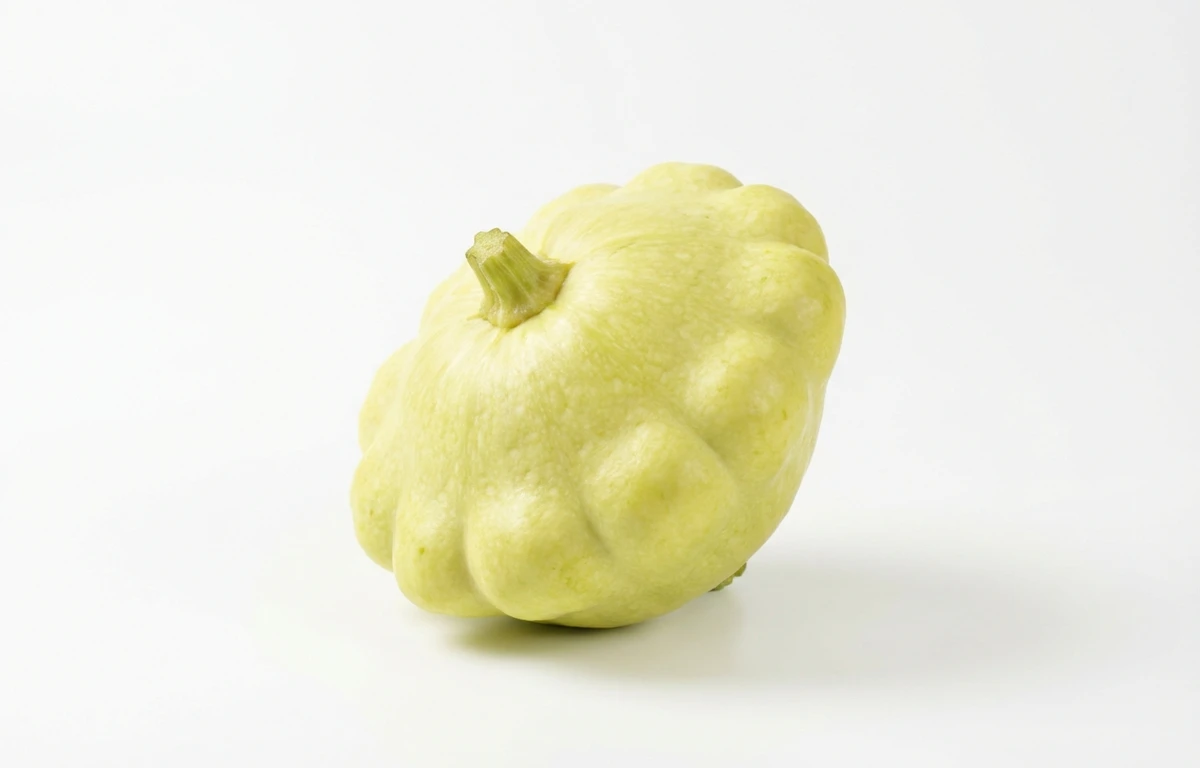
raw scallop squash.
VegetarianVeganGluten-freeDairy-freeNut-freePeanut-freeSoy-freeEgg-freeShellfish-freeHoney-freeAlcohol-free
ALSO KNOWN AS
scallop squash
SERVING
CALORIES
18
PROTEIN
1.2g
CARBS
3.8g
FAT
0.20g
FIBER
1.2g
NUTRITION PROFILE · per 100 g
Everything in this ingredient.
MACRONUTRIENTS
Calories18kcal—
Protein1.2g2%
Carbohydrates3.8g1%
Fiber1.2g4%
Sugar2.4g5%
Total fat0.20g0%
Saturated fat0.04g0%
Trans fat0g—
Cholesterol0mg0%
Water94.2g—
MINERALS
Sodium1.0mg0%
Potassium182mg4%
Calcium19mg1%
Iron0.40mg2%
Magnesium23mg5%
Phosphorus36mg3%
Zinc0.29mg3%
Copper0.10mg11%
Manganese0.16mg7%
Selenium0.20µg0%
VITAMINS
Vitamin A11µg1%
Vitamin C18mg20%
Vitamin D0µg0%
Vitamin E0.13mg1%
Vitamin K3.3µg3%
Thiamin (B1)0.07mg6%
Riboflavin (B2)0.03mg2%
Niacin (B3)0.60mg4%
Pantothenic acid (B5)0.10mg2%
Vitamin B60.11mg6%
Folate (B9)30µg8%
Vitamin B120µg0%
%DV based on a 2,000 cal diet. Source: USDA FoodData Central. A dash in the %DV column means there’s no established Daily Value for that nutrient.
MEASUREMENT CONVERSIONS
How much is what.
1 cup130g
1 tablespoon8.1g
1 teaspoon2.7g
1 ml0.5g
1 liter541.7g
HEALTH BENEFITS
Why eat it.
- ✓Rich in Vitamin C, which supports immune function and skin health.
- ✓Good source of manganese, an essential mineral for bone formation and metabolism.
- ✓High in water and fiber content, aiding in hydration and promoting digestive regularity.
- ✓Low in calories and carbohydrates, making it suitable for weight management diets.
- ✓Contains antioxidants like beta-carotene, which help protect cells from oxidative stress.
COOKING TIPS
In the kitchen.
- 1Young, tender scallop squash can be eaten raw; thinly slice or grate it into salads for a mild, crisp texture.
- 2Its shape is ideal for stuffing. Hollow out the center and fill with grains, cheese, or seasoned meat before baking.
- 3Sauté, grill, or roast with olive oil, garlic, and herbs until tender-crisp to bring out its delicate, slightly sweet flavor.
- 4Steam whole or halved until tender, then serve with butter and fresh herbs as a simple side dish.
STORAGE
Keep it fresh.
- Store unwashed in a perforated plastic bag in the refrigerator's crisper drawer for 5 to 7 days.
- Avoid washing until just before use, as moisture can accelerate spoilage.
- For long-term storage, blanch sliced or whole squash for 3 minutes, cool in an ice bath, and freeze in an airtight container for up to 10 months.
FAQ
Frequently asked questions.
Is scallop squash healthy?
Yes, scallop squash is highly nutritious and low in calories. It is an excellent source of Vitamin C for immune support and manganese for bone health. Its high water and fiber content also promote healthy digestion and hydration.
How many calories and carbs are in scallop squash?
Scallop squash is very light, containing only 18 calories and 3.84g of carbohydrates per 100g. It also provides about 1.2g of protein and a negligible 0.2g of fat, making it ideal for nutrient-dense, low-calorie meals.
Is scallop squash keto-friendly?
Yes, scallop squash is very keto-friendly. With only 3.84g of total carbohydrates per 100g (and even fewer net carbs when fiber is subtracted), it is a great low-carb vegetable option for those on a ketogenic diet.
Can you eat scallop squash raw?
Yes, scallop squash can be eaten raw. It has a crisp, crunchy texture similar to a cucumber or zucchini, making it a refreshing addition to salads, slaws, or served with hummus as a snack.
What does scallop squash taste like?
Scallop squash has a mild, slightly sweet, and buttery flavor, very similar to zucchini or yellow summer squash. Because its flavor is subtle, it absorbs the seasonings and sauces it is cooked with very well.
Do you need to peel scallop squash?
No, you do not need to peel scallop squash. The skin is thin, tender, and completely edible, especially on smaller specimens. The skin also contains many of the vegetable's antioxidants and fiber.
How do you store scallop squash and how long does it last?
Store scallop squash in a plastic bag in the refrigerator's crisper drawer. It is best used within 4 to 7 days. Avoid washing the squash until you are ready to use it, as excess moisture can lead to faster spoilage.
How do you know if scallop squash is fresh?
Look for squash that feels firm and heavy for its size with bright, shiny skin. Avoid any that have soft spots, wrinkled skin, or visible mold, as these are signs that the squash is no longer fresh.
Can you eat the seeds of a scallop squash?
Yes, the seeds are edible and usually very tender in small to medium-sized squash. If you have a very large, overgrown scallop squash, the seeds may become tough and can be scooped out before cooking if preferred.
Is scallop squash gluten-free and vegan?
Yes, scallop squash is a natural vegetable and is inherently both gluten-free and vegan. It is a versatile ingredient for plant-based diets and those with gluten sensitivities.



















