
Seafood
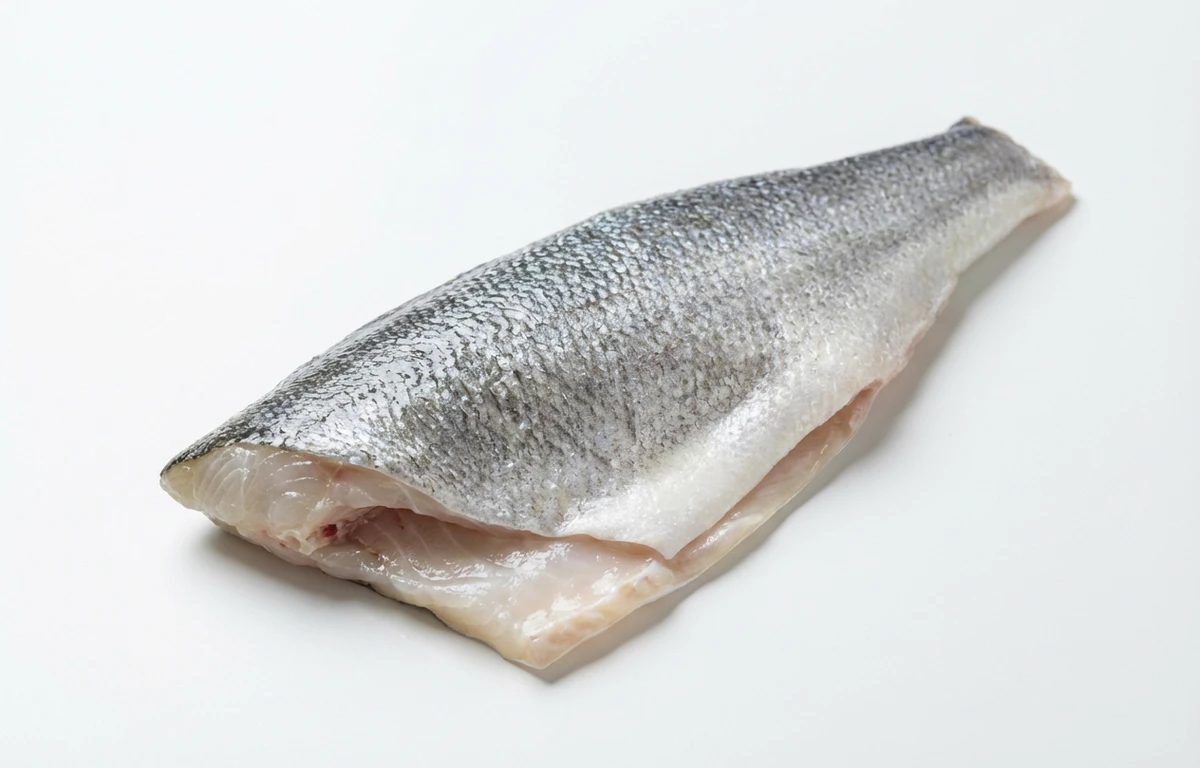
raw sea bass.
VegetarianVeganGluten-freeDairy-freeNut-freePeanut-freeSoy-freeEgg-freeShellfish-freeHoney-freeAlcohol-free
ALSO KNOWN AS
sea bass
SERVING
CALORIES
97
PROTEIN
18.4g
CARBS
0g
FAT
2.0g
FIBER
0g
NUTRITION PROFILE · per 100 g
Everything in this ingredient.
MACRONUTRIENTS
Calories97kcal—
Protein18.4g37%
Carbohydrates0g0%
Fiber0g0%
Sugar0g0%
Total fat2.0g3%
Saturated fat0.51g3%
Cholesterol41mg14%
Water78.3g—
MINERALS
Sodium68mg3%
Potassium256mg5%
Calcium10mg1%
Iron0.29mg2%
Magnesium41mg10%
Phosphorus194mg16%
Zinc0.40mg4%
Copper0.02mg2%
Manganese0.02mg1%
Selenium36.5µg66%
VITAMINS
Vitamin A46µg5%
Vitamin C0mg0%
Vitamin D5.6µg28%
Vitamin E0.84mg6%
Vitamin K0.10µg0%
Thiamin (B1)0.11mg9%
Riboflavin (B2)0.12mg9%
Niacin (B3)1.6mg10%
Pantothenic acid (B5)0.75mg15%
Vitamin B60.40mg24%
Folate (B9)5.0µg1%
Vitamin B120.30µg13%
%DV based on a 2,000 cal diet. Source: USDA FoodData Central. A dash in the %DV column means there’s no established Daily Value for that nutrient.
MEASUREMENT CONVERSIONS
How much is what.
1 cup140g
1 tablespoon8.8g
1 teaspoon2.9g
1 ml0.6g
1 liter583.3g
1 piece150g
HEALTH BENEFITS
Why eat it.
- ✓Excellent source of lean, high-quality protein, essential for muscle building and repair.
- ✓Rich in omega-3 fatty acids (EPA and DHA), which support cardiovascular health, reduce inflammation, and promote brain function.
- ✓Provides significant amounts of selenium, a powerful antioxidant that protects cells from damage and supports immune function.
- ✓Good source of essential vitamins and minerals, including Vitamin B12 for nerve function and magnesium for bone health.
COOKING TIPS
In the kitchen.
- 1Sea bass has a mild, delicate flavor that pairs well with simple seasonings like lemon, garlic, and fresh herbs (dill, parsley, thyme).
- 2For crispy skin, pat the fish completely dry with paper towels before seasoning. Pan-sear skin-side down in a hot, oiled skillet for 3-4 minutes until the skin is golden and crisp before flipping.
- 3Sea bass is excellent for baking or roasting. Place fillets on a baking sheet with vegetables, drizzle with olive oil, and bake at 400°F (200°C) for 10-15 minutes.
- 4The fish is cooked when its flesh is opaque and flakes easily with a fork. The internal temperature should reach 145°F (63°C).
STORAGE
Keep it fresh.
- For immediate use, store in the coldest part of the refrigerator (at or below 40°F / 4°C) and consume within 1-2 days.
- For longer storage, wrap individual fillets tightly in plastic wrap and then place in a freezer-safe bag. Freeze at 0°F (-18°C) for up to 6 months.
FAQ
Frequently asked questions.
Is sea bass healthy?
Yes, sea bass is a highly nutritious seafood choice. It is an excellent source of lean, high-quality protein and heart-healthy omega-3 fatty acids, which help reduce inflammation and support brain function.
How much protein is in sea bass?
A 100g serving of raw sea bass provides approximately 18.43 grams of protein. This makes it a very efficient protein source for muscle building and repair with relatively few calories.
Is sea bass good for weight loss?
Sea bass is excellent for weight loss as it is low in calories (97 per 100g) and very low in fat (2g). Its high protein content helps promote satiety, making you feel full for longer periods.
Is sea bass keto-friendly?
Yes, sea bass is perfectly keto-friendly because it contains zero carbohydrates. It also provides essential minerals like magnesium and selenium that are important for those on restrictive low-carb diets.
Can I eat sea bass raw?
Sea bass can be eaten raw in dishes like sashimi, crudo, or ceviche, but it must be 'sushi-grade' or commercially frozen first to ensure any potential parasites are destroyed. Always source high-quality fish if you intend to consume it uncooked.
What does sea bass taste like?
Sea bass has a mild, delicate, and slightly sweet flavor. Its white flesh is firm yet flaky, making it a versatile ingredient that pairs well with light citrus, herbs, and Mediterranean flavors.
Is sea bass gluten-free?
Raw sea bass is naturally 100% gluten-free. However, be mindful of how it is prepared, as common coatings like flour or breadcrumbs, or sauces like soy sauce, contain gluten.
How long does raw sea bass last in the fridge?
Raw sea bass should be stored in the coldest part of your refrigerator and is best consumed within 1 to 2 days of purchase. For longer storage, it can be frozen for up to 3 to 6 months.
How do you know if raw sea bass is fresh?
Fresh sea bass should have clear, bright eyes and firm flesh that springs back when touched. It should have a clean, briny scent of the ocean rather than a strong or sour 'fishy' odor.
Does sea bass contain mercury?
Sea bass contains moderate levels of mercury compared to other fish. While it is safe for most people to enjoy 2-3 times per week, pregnant women and young children should consume it in moderation.



















