
Seafood
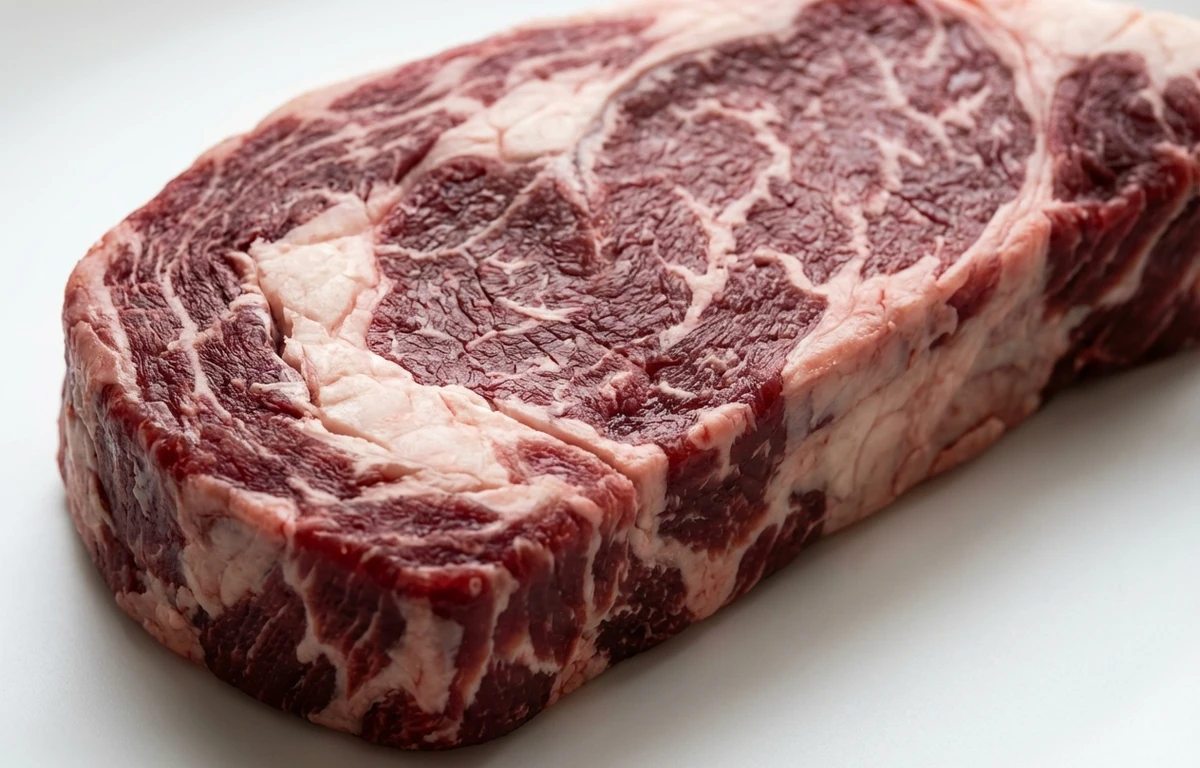
raw sea lion meat with fat.
VegetarianVeganGluten-freeDairy-freeNut-freePeanut-freeSoy-freeEgg-freeShellfish-freeHoney-freeAlcohol-freeHalalKosher
ALSO KNOWN AS
sea lion
SERVING
CALORIES
245
PROTEIN
22.5g
CARBS
0g
FAT
17.2g
FIBER
0g
NUTRITION PROFILE · per 100 g
Everything in this ingredient.
MACRONUTRIENTS
Calories245kcal—
Protein22.5g45%
Carbohydrates0g0%
Fiber0g0%
Sugar0g0%
Total fat17.2g22%
Saturated fat4.5g23%
Trans fat0g—
Cholesterol85mg28%
Water59g—
MINERALS
Sodium65mg3%
Potassium320mg7%
Calcium12mg1%
Iron18mg100%
Magnesium25mg6%
Phosphorus210mg17%
Zinc3.5mg32%
Copper0.20mg22%
Manganese0.02mg1%
Selenium45µg82%
VITAMINS
Vitamin A40µg4%
Vitamin C1.5mg2%
Vitamin D1.2µg6%
Vitamin E0.80mg5%
Vitamin K0µg0%
Thiamin (B1)0.15mg13%
Riboflavin (B2)0.35mg27%
Niacin (B3)4.5mg28%
Pantothenic acid (B5)0.60mg12%
Vitamin B60.40mg24%
Folate (B9)5.0µg1%
Vitamin B1215µg625%
%DV based on a 2,000 cal diet. Source: USDA FoodData Central. A dash in the %DV column means there’s no established Daily Value for that nutrient.
MEASUREMENT CONVERSIONS
How much is what.
1 cup150g
1 oz28.4g
1 lb453.6g
1 piece120g
HEALTH BENEFITS
Why eat it.
- ✓Extremely rich in Omega-3 fatty acids (EPA and DHA) from the fat, supporting cardiovascular and brain health.
- ✓High in bioavailable heme iron, which is crucial for preventing anemia and supporting energy levels.
- ✓Excellent source of complete protein, providing all essential amino acids for muscle growth and repair.
- ✓Rich in Vitamin B12, essential for nerve function and the formation of red blood cells.
COOKING TIPS
In the kitchen.
- 1Sea lion meat has a very strong, gamey, and fishy flavor. Marinating in acidic liquids like vinegar or citrus juice can help tenderize the meat and reduce the intensity.
- 2Due to the risk of parasites like trichinosis in wild marine mammals, it is critical to cook the meat thoroughly to an internal temperature of at least 160°F (71°C).
- 3The blubber can be rendered into oil for cooking, or small pieces can be cooked with the leaner meat to add moisture and flavor.
- 4Slow cooking methods like stewing or braising are effective for breaking down tougher cuts and melding its strong flavor with other ingredients.
STORAGE
Keep it fresh.
- For short-term storage, keep raw meat tightly wrapped in the coldest part of the refrigerator (below 40°F or 4°C) and use within 1-2 days.
- For long-term storage, vacuum-seal or wrap tightly in plastic and foil, then freeze at 0°F (-18°C) or below. It can last for 6-12 months.
FAQ
Frequently asked questions.
Is sea lion meat healthy?
Yes, sea lion meat is highly nutritious, providing 22.5g of protein and significant amounts of Vitamin B12 and heme iron per 100g. The attached fat is particularly beneficial as it is exceptionally rich in Omega-3 fatty acids (EPA and DHA), which support cardiovascular and brain health.
How much protein and fat are in sea lion meat?
A 100g serving of sea lion meat with fat contains approximately 22.5g of protein and 17.2g of fat. It is a calorie-dense food, providing about 245 calories per serving with zero carbohydrates.
Is sea lion meat keto-friendly?
Yes, sea lion meat is excellent for a ketogenic or low-carb diet. With 0g of carbohydrates and a high fat content of 17.2g per 100g, it provides the necessary healthy fats and high-quality protein required for ketosis.
What does sea lion meat taste like?
Sea lion meat has a very intense, gamey flavor with a pronounced fishy undertone due to its marine diet. The meat is dark and dense, while the fat has a rich, oily, and slightly salty profile.
Is it safe to eat sea lion meat raw?
While traditionally consumed raw in certain indigenous cultures, eating raw sea lion carries risks of parasites and foodborne illness. Additionally, as apex predators, sea lions can accumulate heavy metals like mercury, so raw consumption should be handled with extreme caution and sourced carefully.
How do you cook sea lion meat?
Sea lion meat is often slow-cooked, stewed, or braised to help tenderize its dense muscle fibers. The fat can be rendered down during cooking to add moisture and flavor to the dish, or it can be pan-seared to create a crisp exterior.
Is sea lion meat good for anemia?
Yes, it is an excellent source of bioavailable heme iron, which is the form of iron most easily absorbed by the human body. This makes it highly effective for supporting energy levels and the formation of healthy red blood cells.
How should raw sea lion meat be stored?
Raw sea lion meat should be stored in an airtight container in the coldest part of the refrigerator for no more than 1-2 days. For longer storage, it should be vacuum-sealed and frozen at 0°F (-18°C) to prevent the high fat content from becoming rancid.
Is sea lion meat halal or kosher?
Sea lion is not considered kosher as it lacks the required scales and fins. In Islamic dietary law, most scholars classify marine mammals as either haram (forbidden) or makruh (disliked) because they are predatory animals.
Can sea lion meat help with muscle recovery?
Yes, because it is a complete protein source containing all essential amino acids, it is highly effective for muscle growth and repair. The high protein density (22.5g per 100g) makes it a potent recovery food for athletes.



















